Alison Knowles: The Artist Who Turned Everyday Life Into Art
Written by Admin • 2026-09-07 01:37:00
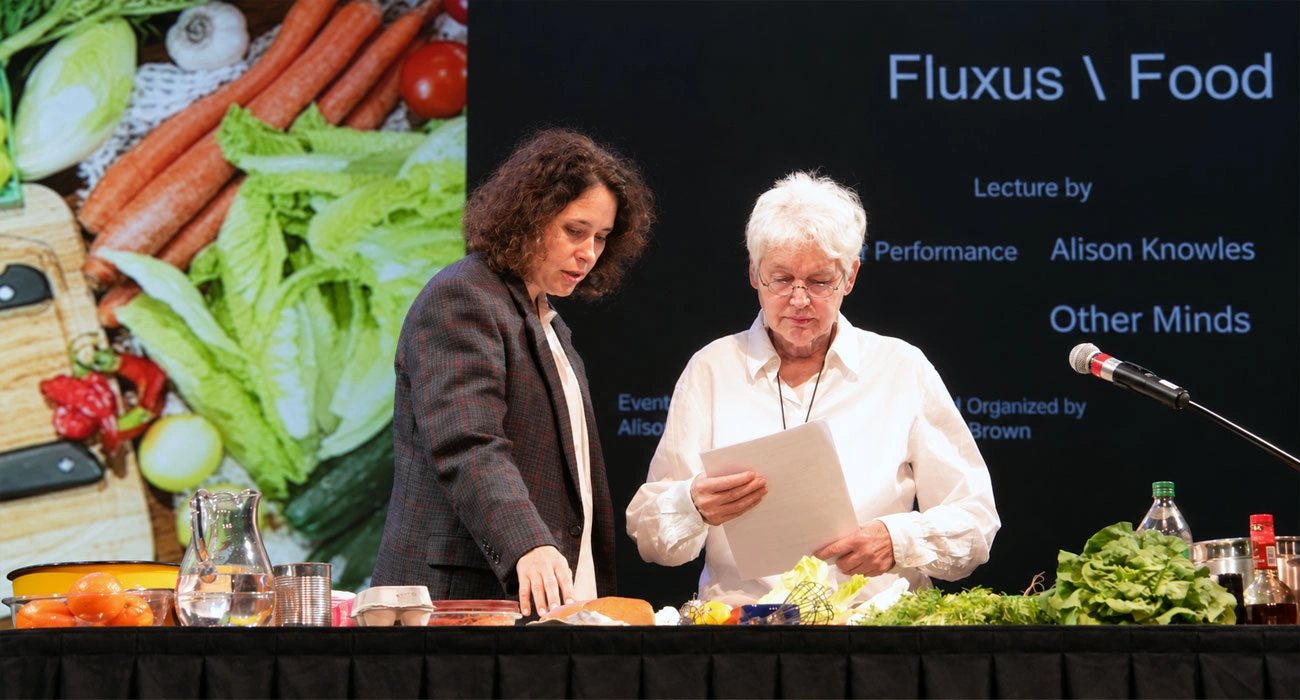
Alison Knowles, a founding member of the Fluxus movement, has spent over six decades transforming everyday life into art. Her work challenges traditional notions of artistic material and emphasizes participation, as seen in her upcoming retrospective at NYU's Grey Art Museum.
Alison Knowles: The Artist Who Turned Everyday Life Into Art
Discover the transformative legacy of Alison Knowles, Fluxus pioneer and experimental artist.
When Ordinary Objects Become Art
Alison Knowles has spent her artistic career redefining what materials can be considered art. By turning her attention to everyday objects and actions, she challenged the traditional notions of artistic practice. Rather than relying on conventional mediums like paint or sculpture, Knowles utilized items like food, books, and simple gestures as the foundation of her work. This approach fostered an intimate relationship between the audience and the art, inviting viewers to engage with artworks in their daily lives. The impact of her perspective reshaped the understanding of artistic material, demonstrating that art could emerge from the mundane.
Knowles's work serves as a reminder that art does not have to be extraordinary to be meaningful. By focusing on the ordinary, she highlighted the beauty and significance of everyday experiences, transforming them into compelling artistic statements. This radical approach not only expanded the boundaries of art but also invited a diverse range of participants to engage with her work, fostering a sense of community and connection among audiences.
The Fluxus Years
As a founding member of Fluxus, Knowles played a pivotal role in one of the most influential experimental art movements of the 20th century. The Fluxus movement, which emerged in the early 1960s, sought to dismantle the traditional art world and create a new understanding of artistic expression. It emphasized spontaneity, collaboration, and the integration of art into everyday life. Knowles's contributions to Fluxus were not only significant in terms of her own work but also in shaping the movement's ethos of participatory art.
During her time with the Fluxus collective, Knowles developed a range of groundbreaking performances that blurred the lines between art and life. Her work often involved audience participation, transforming viewers into active co-creators of the experience. This approach challenged the conventional artist-audience dynamic and redefined the role of the viewer in the artistic process, paving the way for future generations of artists to explore similar themes.
Performance Without a Stage
Participation became a cornerstone of Knowles's artistic practice, allowing her to explore the relationship between the artist and the audience in innovative ways. Rather than confining her performances to traditional stages, she brought art into public spaces and everyday settings, inviting individuals from all walks of life to engage with her work. By doing so, Knowles emphasized that art could occur anywhere and at any time, extending its reach beyond the gallery walls.
This focus on participatory art not only democratized the experience of art but also encouraged individuals to reflect on their own lives and routines. In her work, Knowles often incorporated simple actions and rituals, turning ordinary moments into profound artistic experiences. This approach resonates deeply with contemporary audiences, who are increasingly drawn to immersive and participatory art forms.
A Legacy Across Six Decades
With a career spanning over six decades, Alison Knowles's influence on contemporary art is both profound and lasting. Her upcoming retrospective at the Grey Art Museum, featuring nearly 200 works, offers a comprehensive look at her artistic journey and the evolution of her ideas. This exhibition serves not only as a celebration of her achievements but also as a reminder of the importance of participation and the everyday in art.
Knowles's work continues to inspire new generations of artists, encouraging them to explore themes of participation, experimentation, and the integration of everyday life into their practices. By expanding the definition of art and who can participate in it, she has left a lasting mark on the art world, reminding us that creativity can flourish in the most ordinary of circumstances.
Her poetic artworks emerged from her extended engagement with ordinary materials, found objects, and everyday life.— NYU Grey Art Museum
Facts & Insights
- Alison Knowles was a founding member of Fluxus and remained an influential figure in experimental art for more than six decades.
- The Grey Art Museum retrospective runs from September 9, 2026, to January 30, 2027.
- The exhibition brings together almost 200 objects spanning performance, sound, sculpture, installation, printmaking, poetry and book art.
6+
Decades Artistic Career
200+
Works
1960–2022
Exhibition Period
1st
Comprehensive Retrospective
Categories
Tagged in this story
Image sources
CC BY 3.0, https://commons.wikimedia.org/w/index.php?curid=177039900