
Beyond Recycling: How Circular Trade Is Creating a New Global Employment Economy
Written by Admin • 2026-11-17 01:10:00
Topics
The circular economy is creating new global employment opportunities by extending the lifecycle of products through reuse, refurbishment, and remanufacturing. This shift not only addresses environmental concerns but also fosters economic growth and job creation across various sectors.
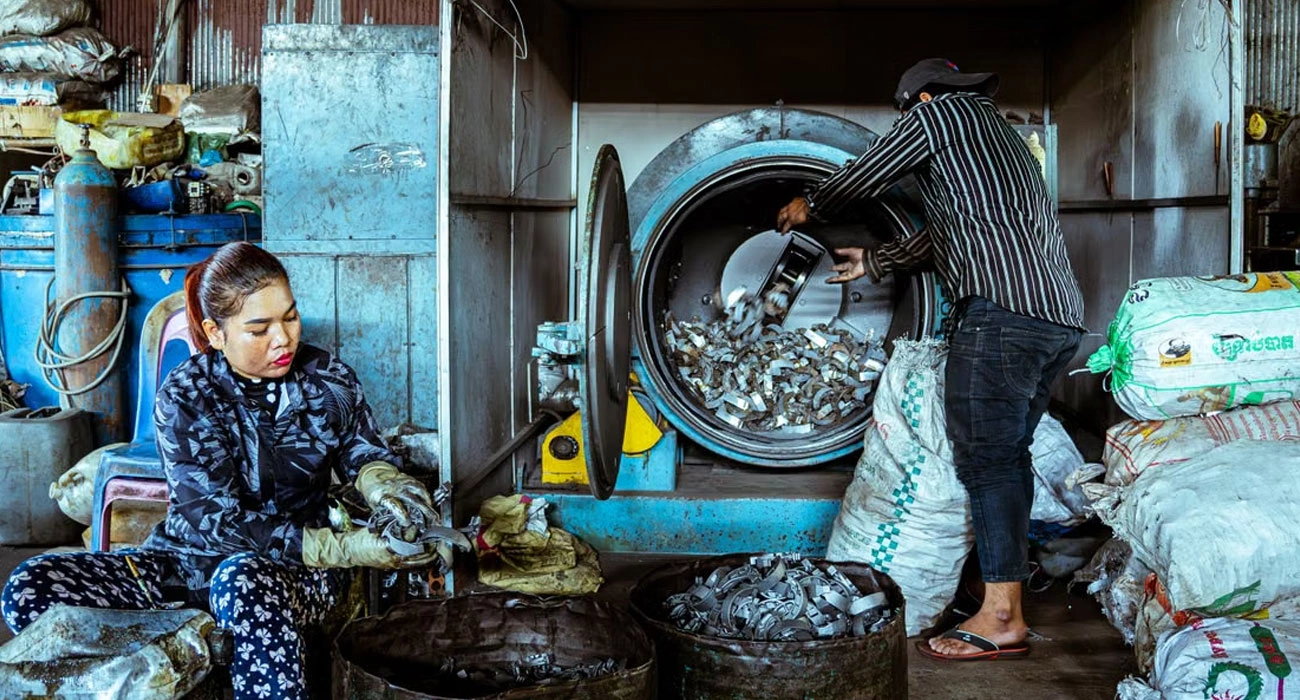
Circular Economy Trade: The Future of Jobs and Business
Exploring how circular trade is reshaping global employment opportunities.
The Circular Economy: Beyond Recycling
Recent insights from the International Labour Organization (ILO) reveal that circular economy activities are contributing significantly to global employment. The 2026 report estimates that approximately 5.96 million jobs worldwide are linked to circular economy exports, showcasing the economic potential of this emerging market. These jobs span multiple sectors, including agriculture, wholesale trade, and food processing, indicating that circular trade is not merely an environmental strategy but a critical component of the future workforce.
For businesses, this transition creates opportunities to rethink how products are designed, maintained and distributed. Companies can develop repair services, refurbishment operations, reusable packaging systems and reverse-logistics networks that recover materials after products reach consumers. These activities can generate additional revenue streams while reducing dependence on newly extracted resources.
The shift also encourages closer cooperation between manufacturers, suppliers, retailers and recycling specialists. Instead of treating used products as the end of a commercial cycle, businesses can view them as resources that retain economic value and can re-enter production.
Connecting Global Markets Through Circular Trade
The employment landscape within circular trade is expansive, comprising both direct and indirect jobs. Notably, approximately 73% of the jobs created are indirect, showcasing the ripple effect of circular economy activities across various industries. However, the report also highlights challenges, with a significant proportion of these jobs classified as informal, raising questions about job quality and fair labor practices. Addressing these issues is crucial for ensuring that the growth of circular trade translates into decent work for all.
However, the expansion of circular trade also raises questions about workforce development and employment quality. Collection, sorting, repair and material recovery require practical skills, technical knowledge and increasingly organised supply networks. As these activities become more integrated into formal business operations, workers may need training in equipment handling, material assessment, quality control and environmental standards.
For companies and policymakers, the challenge is therefore not only to create more jobs, but also to support safer working conditions, fair compensation and opportunities for professional development. A circular economy can deliver broader social benefits when economic growth is accompanied by decent employment.
The circular economy is not only about keeping materials in use. It is also about recognising the people and businesses that create value throughout the process.— Inspiring Circle Editorial Team
- The ILO estimates that circular economy exports support 5.96 million jobs worldwide.
- Approximately 73% of these jobs are indirect, reflecting the wider supply-chain effects of circular trade.
- Circular economy goods account for 1.29% of global trade by value, according to the report's analysis.
Building a More Inclusive Circular Economy
The future of circular trade will depend on how effectively businesses connect environmental responsibility with economic opportunity. Companies that invest in resource recovery, product refurbishment and sustainable supply networks can contribute to a more resilient production system while exploring new areas of commercial growth.
At the same time, the benefits of this transition should extend beyond businesses. Workers, local enterprises and communities all have a role in creating circular value chains. By combining innovation, responsible trade practices and investment in people, the circular economy can become not only a different way of managing resources, but also a foundation for more inclusive economic development.
Categories
Tagged in this story
Image sources