
Beyond Renewable Energy: Why Battery Storage Is Becoming the Backbone of Modern Power Systems
Written by Admin • 2026-11-18 02:29:00
Topics
As the global demand for electricity rises, battery storage is becoming essential in managing renewable energy integration. This technology not only balances supply and demand but also enhances grid stability, making it a key player in the modern energy landscape.
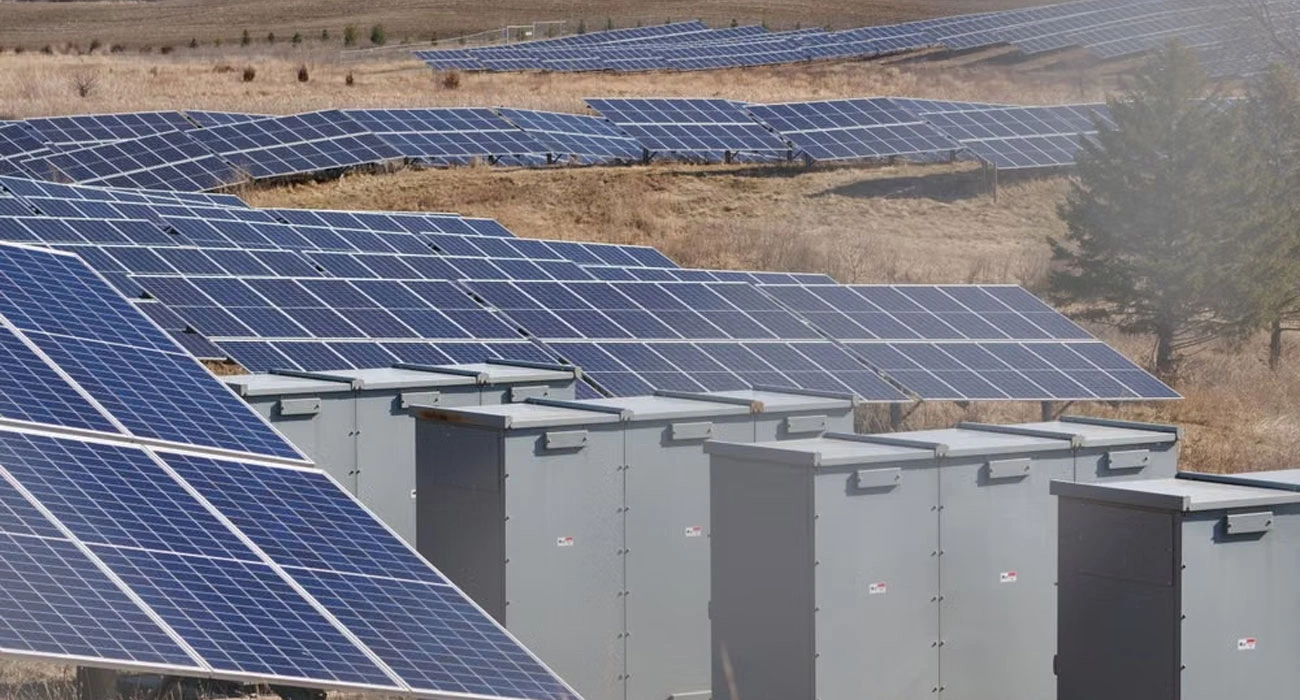
Battery Storage: The Technology Reshaping Global Energy Systems
Exploring how battery energy storage is becoming the backbone of modern power systems.
The Missing Piece in the Energy Transition
The Rapid Expansion of Battery Storage
Beyond the Grid: How Businesses Use Battery Storage
Battery storage is becoming increasingly relevant beyond large electricity networks. Commercial buildings, factories, logistics centres and industrial facilities can use energy storage systems to manage electricity consumption and improve operational flexibility.
For businesses with rooftop solar installations, batteries can store excess electricity generated during the day and make it available when production continues after sunset. This can help organisations use a greater share of their own renewable energy rather than relying entirely on electricity from the grid.
Storage systems can also support backup power and help businesses manage periods of high electricity demand. Depending on local electricity tariffs and market regulations, companies may use stored energy strategically to reduce exposure to peak-period costs.
These applications demonstrate that battery storage is not exclusively an energy-sector investment. It is also becoming a practical consideration for organisations seeking greater control over their energy use and operating costs.
The next energy revolution is not only about producing cleaner electricity. It is about making that electricity available when and where it is needed.— Editorial Insight
Building More Flexible Electricity Networks
The Economics and Challenges of Energy Storage
Despite its rapid growth, battery storage still faces important economic and technical challenges. The initial investment can be substantial, particularly for large-scale projects that require specialised equipment, grid connections, installation and safety systems.
The financial value of a storage project also depends on how it is used. Electricity price differences, local market regulations, charging patterns and the frequency of battery cycling can all influence its economic performance. A system that works well in one market may not deliver the same returns in another.
Battery degradation is another consideration. Storage systems gradually lose capacity through repeated charging and discharging, making maintenance, performance monitoring and replacement planning important parts of long-term ownership.
For investors and businesses, the decision should therefore consider the entire lifecycle of a project rather than focusing only on the purchase price or installed capacity.
Building a Responsible Battery Supply Chain
As battery deployment expands, the sustainability of the supply chain is becoming increasingly important. Manufacturing depends on the extraction and processing of materials, including lithium, graphite and other minerals used in battery technologies.
Growing demand creates pressure to improve resource efficiency, strengthen supply-chain transparency and reduce the environmental impact of production. Battery recycling and material recovery can help return valuable resources into the manufacturing cycle while reducing the need for some new raw materials.
Manufacturers and policymakers are also exploring battery designs that support longer service lives and more effective end-of-life management. These developments will be important in ensuring that the expansion of energy storage delivers environmental benefits throughout the technology's lifecycle.
Ultimately, a successful energy transition requires not only cleaner electricity, but also responsible ways of producing, operating and managing the technologies that support it.
- 108 GW of new battery storage capacity was deployed worldwide in 2025.
- Global battery storage deployment increased by 40% compared with 2024.
- Installed battery storage capacity is now 11 times higher than in 2021.
- Lithium iron phosphate batteries accounted for around 90% of battery storage deployments in 2025.
The future of electricity will depend on the ability to generate, store and distribute energy more intelligently. Battery storage is becoming a critical part of this transformation, connecting renewable generation with the changing needs of businesses, households and modern industries. However, its long-term value will depend on more than deployment figures. Investment in grid infrastructure, responsible manufacturing, effective regulation and recycling will determine how successfully storage technologies contribute to a reliable and sustainable energy system.
Categories
Tagged in this story
Image sources