
Beyond Reshoring: How Global Supply Chains Are Being Reconfigured
Written by Admin • 2026-11-16 01:16:00
Topics
Global supply chains are evolving beyond mere cost efficiency as businesses adapt to geopolitical shifts and disruptions. This article explores how companies are reconfiguring their international production networks to enhance resilience and maintain global connections.
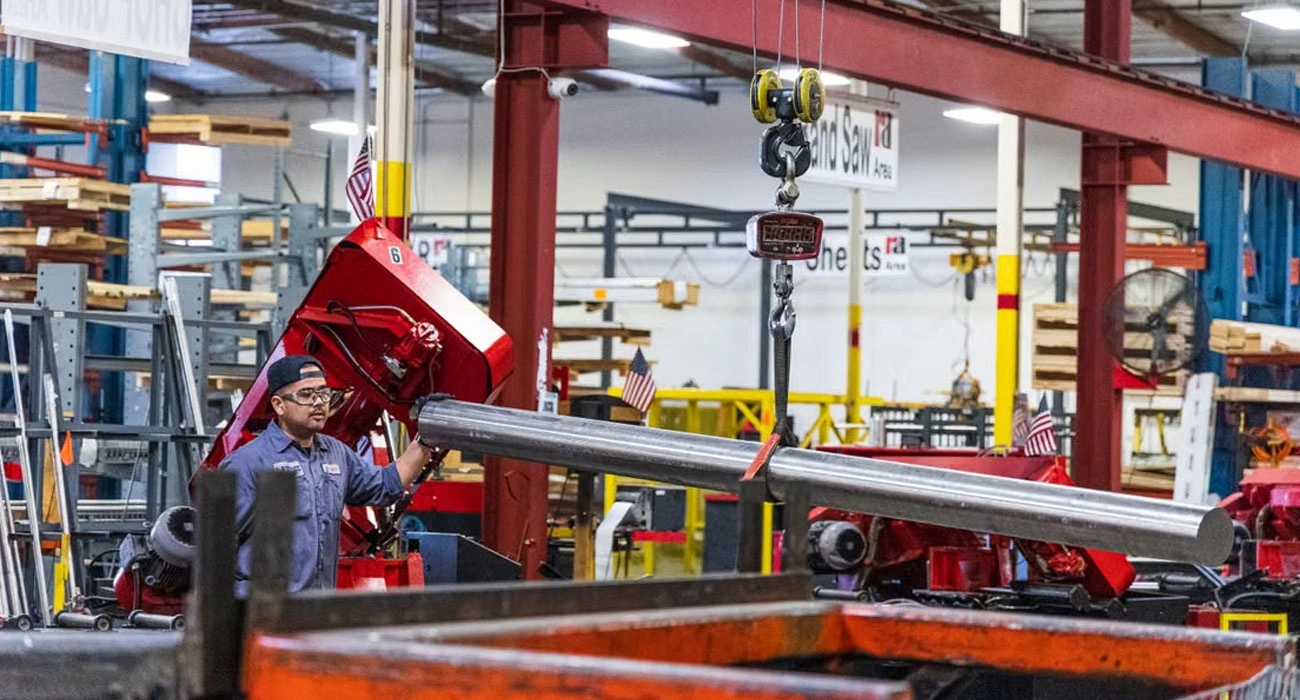
Global Supply Chains: The Shift Towards Business Resilience
Reconfiguring international production networks in response to geopolitical changes and the demand for greater resilience.
Rethinking Global Supply Chains
Rather than relying exclusively on the lowest-cost supplier or single production locations, businesses are now paying closer attention to risk, flexibility, and alternative sources of supply. This shift results in not the end of globalization but a more complex system where resilience has become a central part of business strategy.
This shift is also encouraging companies to reconsider the geographical concentration of their production networks. Some businesses are exploring regional suppliers, nearshoring and alternative manufacturing locations to reduce exposure to disruptions. Rather than replacing international trade, these approaches aim to create more flexible networks in which companies have multiple options when individual routes or suppliers become unavailable.
From Cost Efficiency to Supply Chain Resilience
As a result, resilience now involves understanding these dependencies and preparing alternative arrangements where necessary. The World Economic Forum reported that three in four business leaders now prioritize resilience as a driver of growth, reflecting a broader shift in how companies evaluate long-term investment and operational risk.
Building resilience, however, requires more than identifying alternative suppliers. Companies also need better visibility across their supply networks, including the origins of raw materials, transportation routes and the operational capacity of key partners. Stronger communication with suppliers and regular risk assessments can help businesses identify potential weaknesses before they develop into major disruptions.
Resilience is not about withdrawing from global connections. It is about understanding them well enough to adapt when conditions change.— Inspiring Circle Editorial Team
- The OECD's 2026 report finds that imported goods and services used in world production remained near their historical peak in real terms in 2024.
- The OECD identifies changing sourcing structures and the growing role of connector economies as important developments in global value chains.
- Three in four business leaders prioritised resilience as a driver of growth, according to a World Economic Forum report released in January 2026.
The Strategic Value of Supply Chain Diversification
Diversification is becoming an important consideration in long-term business planning. By working with suppliers across different regions and maintaining alternative sourcing arrangements, companies can reduce their dependence on individual markets. This can provide greater flexibility when geopolitical developments, trade restrictions or logistical challenges affect international operations.
However, diversification also brings new considerations. Managing multiple suppliers can increase coordination costs, create differences in quality standards and require additional investment in logistics. Businesses therefore need to balance flexibility with operational efficiency, selecting partners based on reliability, capability and long-term value rather than location alone.
Categories
Image sources