
Beyond the Bucket List: Why Travellers Are Choosing More Meaningful Journeys
Written by Admin • 2026-11-11 01:15:00
As travellers increasingly seek authentic and meaningful journeys, there is a shift away from traditional sightseeing towards local experiences and community engagement. This trend is reshaping global tourism, encouraging destinations to focus on cultural preservation and responsible travel choices.
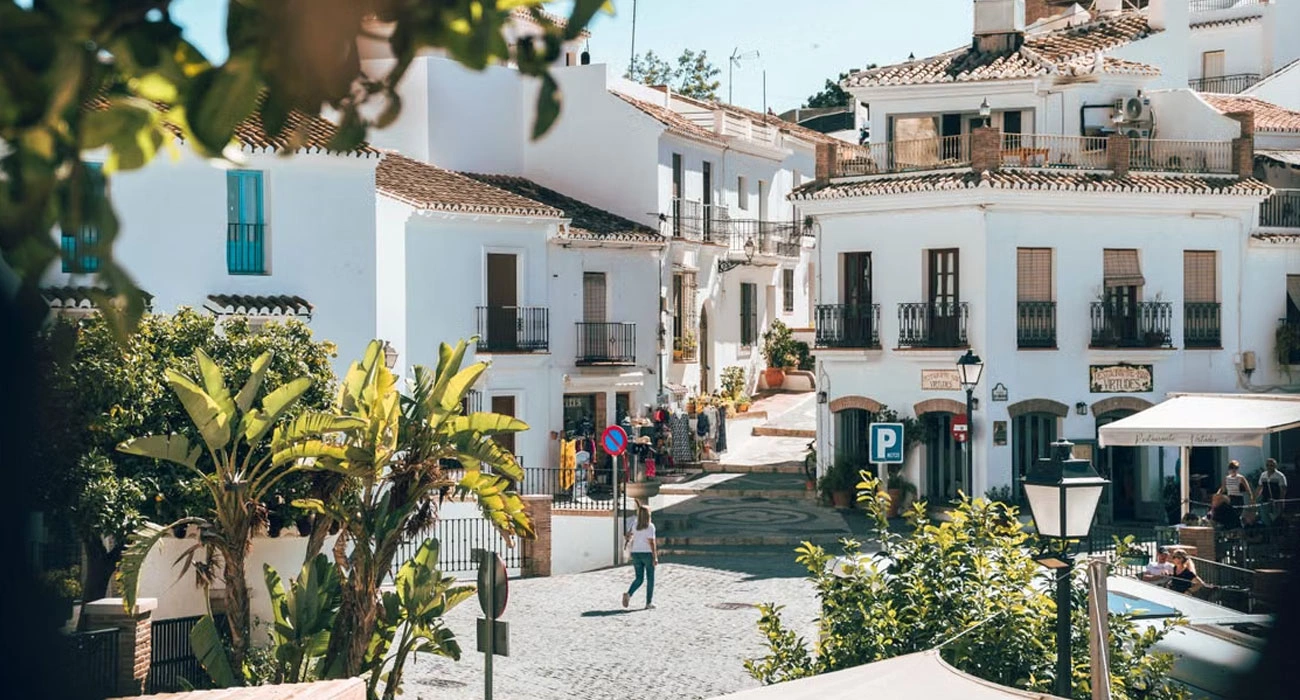
Beyond the Bucket List: Why Travellers Are Choosing More Meaningful Journeys
Exploring the shift towards authentic travel experiences
The Rise of Meaningful Travel
Smaller towns, rural communities, local traditions, and nature-based experiences are becoming important parts of the global travel conversation. Rather than competing solely through famous attractions, destinations can create value by offering visitors a deeper understanding of the places they explore. Meaningful travel is not simply about travelling slowly or avoiding popular destinations; it is about making more conscious choices and recognising that a journey can benefit both the traveller and the community that welcomes them.
Meaningful travel can take many forms. For some visitors, it means learning how traditional dishes are prepared, discovering the history behind local architecture or participating in cultural workshops. For others, it may involve walking through natural landscapes with local guides or choosing accommodation operated by the community. These experiences allow travellers to understand a destination beyond its most recognisable attractions, creating a stronger connection between tourism and local identity.

Exploring Lesser-Known Destinations
The desire for more meaningful experiences is encouraging travellers to explore beyond internationally recognised tourist centres. Smaller cities, rural communities, and less-visited regions can offer a different perspective on a country. Visitors may discover local crafts, traditional markets, regional cuisine, and landscapes that are less affected by concentrated tourism flows. This trend is supported by research from the European Travel Commission, revealing that interest in off-the-beaten-track destinations has increased significantly.
The opportunity is particularly relevant for destinations seeking to distribute tourism activity more evenly throughout their regions. When visitors explore smaller towns and rural areas, spending can reach businesses that may otherwise remain outside established tourism routes. Local accommodation providers, restaurants, craft producers and independent guides can benefit from this wider distribution, provided that tourism development is supported by appropriate infrastructure and community participation.
Travel becomes more meaningful when we move beyond seeing a destination and begin understanding the people, traditions, and places that make it unique.— Inspiring Circle Editorial Team
- The World Economic Forum's Travel & Tourism Development Index 2026 recorded a 9.6% improvement in the average cultural resources score between 2024 and 2026.
- The European Travel Commission's 2026 responsible travel study surveyed 3,000 travellers across six international source markets.
- The European Travel Commission recorded higher 2025 indices for environmentally conscious travel, exploring less-visited destinations, supporting local businesses and travelling outside peak seasons compared with its 2024 baseline.
The Future of Responsible Tourism
As travel preferences evolve, local communities have an opportunity to participate more actively in tourism development. Small accommodation providers, independent restaurants, local guides, artisans, and cultural organisations can become important contributors to the visitor experience. Their knowledge and activities provide something that standardised tourism products may struggle to reproduce: a genuine connection with the character of a place.
Achieving this balance requires cooperation between travellers, businesses and destination managers. Tourism providers can promote seasonal alternatives, develop experiences with local communities and communicate responsible visitor practices. Destination authorities, meanwhile, can improve public transportation, manage visitor flows and support the preservation of cultural and natural resources. These measures help ensure that tourism growth does not come at the expense of the places and communities that make destinations attractive in the first place.
Categories
Tagged in this story
Image sources