
Beyond the Destination: How Rural Tourism Creates Opportunities for Local Communities
Written by Admin • 2026-11-09 00:49:00
Topics
Rural tourism creates opportunities for local communities by connecting them with travelers through partnerships that enhance local businesses and promote sustainable practices. This article explores how community-based tourism can foster economic growth and cultural exchange while ensuring that the benefits of tourism extend beyond mere visitor numbers.
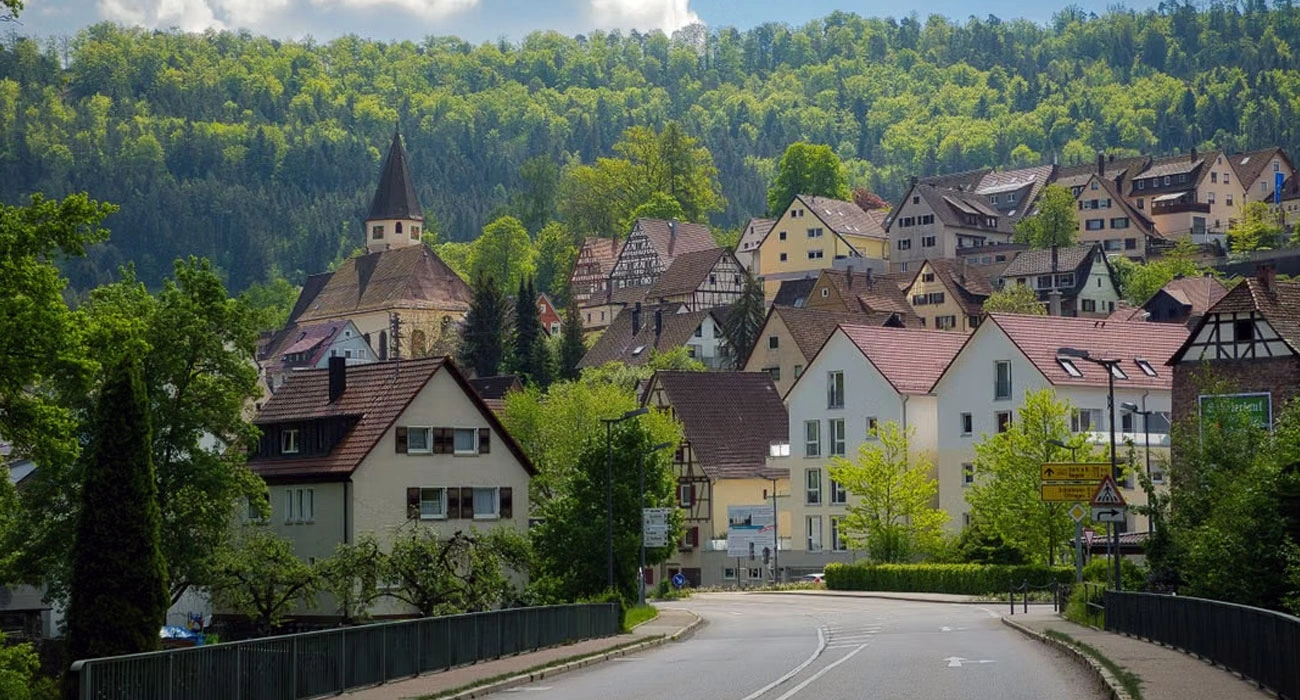
Beyond the Destination: How Rural Tourism Creates Opportunities for Local Communities
Exploring the transformative power of rural tourism through community partnerships.
Tourism Beyond Visitor Numbers
Tourism growth is often measured through arrivals, overnight stays, and visitor spending. While these indicators are important, they do not capture the true essence of how much value remains within a destination. In many rural areas, tourism can attract visitors, yet local producers, artisans, and small businesses may remain disconnected from the tourism economy. Community-oriented tourism takes a broader view, focusing on how accommodation providers, restaurants, guides, transport operators, cultural organizations, and local producers can collaborate effectively.
When these relationships are nurtured, tourism can support a more extensive local value chain instead of concentrating benefits in a limited number of businesses. This interconnectedness allows local communities to thrive and ensures that tourism contributes positively to the social and economic fabric of rural destinations.
Three Examples of Collaborative Rural Tourism
A recent UN Tourism report highlighted innovative approaches to rural tourism demonstrated through its Best Tourism Villages Network. In St. Johann in Tirol, Austria, a dialogue process unites residents, businesses, municipalities, and tourism organizations to discuss quality of life issues. This collaborative approach encompasses mobility, housing, and local identity, fostering community engagement.
Similarly, in Hosszúhetény, Hungary, partnerships connect the village with recognized destinations and responsible travel programs, introducing visitors to local accommodation providers, guides, artisans, and women-led businesses. Meanwhile, Bohinj, Slovenia, features a multi-stakeholder platform that links farmers, agricultural organizations, hospitality providers, and schools, aiming to strengthen ties between tourism and local food production.
Tourism creates its greatest local value when communities are partners in shaping the experience.— Editorial Insight
Making Tourism More Inclusive and Resilient
While partnerships are essential, they do not guarantee that tourism benefits everyone. The success of these collaborations hinges on clear responsibilities, trust, effective communication, and long-term commitment. Residents must have opportunities to participate in decisions impacting their communities, and local businesses should have realistic access to markets. Tourism operators must also address environmental pressures and cultural preservation to maintain the integrity of rural destinations.
By treating the community as an active partner rather than merely a backdrop for visitors, tourism becomes more resilient. This approach fosters a deeper connection between travelers and local culture, enriching the experience for both visitors and residents.
Facts & Insights
- UN Tourism's September 2026 Village Talks session explored collaborative rural tourism through examples from Austria, Hungary and Slovenia.
- Hosszúhetény's partnerships connect local tourism experiences with accommodation providers, guides, artisans, restaurants and women-led businesses.
- Bohinj's platform connects agriculture, hospitality, education and local institutions to strengthen local supply chains.
The Future of Meaningful Travel
As travelers increasingly seek local experiences and smaller-scale businesses, the quality of these interactions relies on the relationships that connect visitors with the local community. Rural tourism presents an opportunity for communities to develop tourism in ways that align with their priorities while extending benefits beyond a single travel season. Meaningful travel not only depends on where people go but also on who collaborates to create the experience.
3
Rural destinations featured in the September 2026 session
3
Different partnership approaches presented
2026
Year of the UN Tourism session
1
Shared objective: stronger local community value
Ultimately, the true value of a destination lies not only in its scenic views or attractions but in the people who preserve its traditions and shape its future. By fostering connections between local communities and responsible travel businesses, rural tourism can evolve into a partnership that supports livelihoods, cultural identity, and long-term resilience.
Categories
Tagged in this story
Image sources
Pexels - Photo by Joerg Hartmann