
Beyond the Landmark: Why Cultural Experiences Are Reshaping Global Tourism
Written by Admin • 2026-11-13 01:22:00
Cultural tourism is reshaping global travel as visitors increasingly seek local traditions, food, and authentic experiences beyond famous landmarks. This shift emphasizes the importance of community engagement and sustainable practices in tourism development.
Cultural Tourism: Why Travellers Seek Deeper Experiences
Exploring the Shift in Global Travel Beyond Iconic Landmarks
Beyond Famous Landmarks
The World Economic Forum's 2026 Travel & Tourism Development Index reflects the growing importance of cultural resources in tourism development. The findings suggest that destinations are strengthening the cultural foundations supporting a wider range of travel experiences. As cultural tourism flourishes, it is essential for local communities to benefit from this growth, ensuring that tourism contributes positively to their heritage and economic prospects.
This shift also creates opportunities for destinations to distribute tourism activity beyond their most visited attractions. By promoting local markets, neighbourhood experiences and regional cultural events, destinations can encourage visitors to explore different areas and engage with a wider range of local businesses. This approach can help smaller communities become part of the tourism economy while offering travellers a more varied understanding of the destination.
The Value of Living Heritage
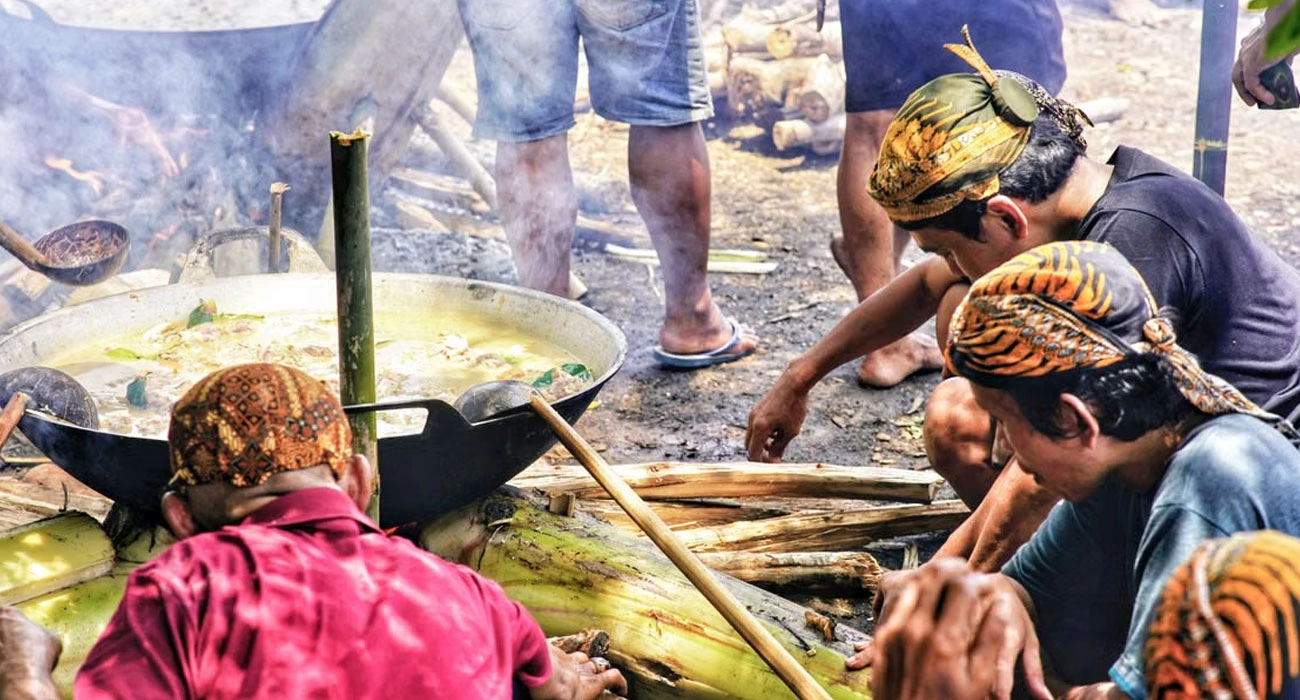
Cultural tourism encompasses not only museums and historical monuments but also living traditions such as music, performing arts, festivals, craftsmanship, and food culture. These forms of heritage allow visitors to experience culture as something practiced and shared, rather than merely preserved for display. They can create opportunities for artisans, performers, guides, independent restaurants, and small businesses, enhancing the local economy.
Food traditions, for example, can introduce visitors to the agricultural practices, ingredients and cultural influences that shape a region's identity. Similarly, traditional crafts offer insight into techniques and knowledge passed between generations. When visitors engage with these activities respectfully, cultural experiences can help sustain interest in practices that might otherwise receive limited public attention.
Travel becomes more meaningful when visitors connect with the people, traditions and stories that give a destination its identity.— INSPIRING CIRCLE EDITORIAL TEAM
Creating More Meaningful Journeys
The future of cultural tourism will hinge on the balance between discovery and responsibility. Travelers are encouraged to approach destinations with curiosity, learn about local customs, and support businesses that contribute to the community. Tourism organizations can collaborate with residents and cultural practitioners to create experiences that are accurate, respectful, and economically valuable.
Visitor management is equally important. Popular cultural destinations may face pressure from overcrowding, rising demand for accommodation and the commercialisation of local traditions. Tourism planners therefore need to consider visitor capacity, community feedback and the protection of culturally significant places. Responsible growth should improve the visitor experience without compromising the quality of life of residents.
- The World Economic Forum’s Travel & Tourism Development Index 2026 recorded a 9.6% improvement in average cultural-resource scores between 2024 and 2026.
- More than 95% of economies included in the index recorded an improvement in cultural resources during that period.
- The index reported that UNESCO’s Intangible Cultural Heritage register had expanded to 849 recognised elements across 157 countries by 2026.
Categories
Tagged in this story
Image sources