
Beyond the Menu: How Culinary Tourism Is Reshaping Travel Experiences
Written by Admin • 2026-11-23 01:14:00
Culinary tourism is emerging as a transformative force in travel, turning food from a simple necessity into a compelling reason to visit destinations. With travelers prioritizing food experiences, destinations are leveraging local cuisine to create meaningful connections between visitors and communities, preserving culinary traditions while stimulating local economies.
Beyond the Menu: How Culinary Tourism Is Reshaping Travel Experiences
Explore the intersection of food and travel as culinary tourism transforms how we connect with destinations.
The Rise of Culinary Tourism
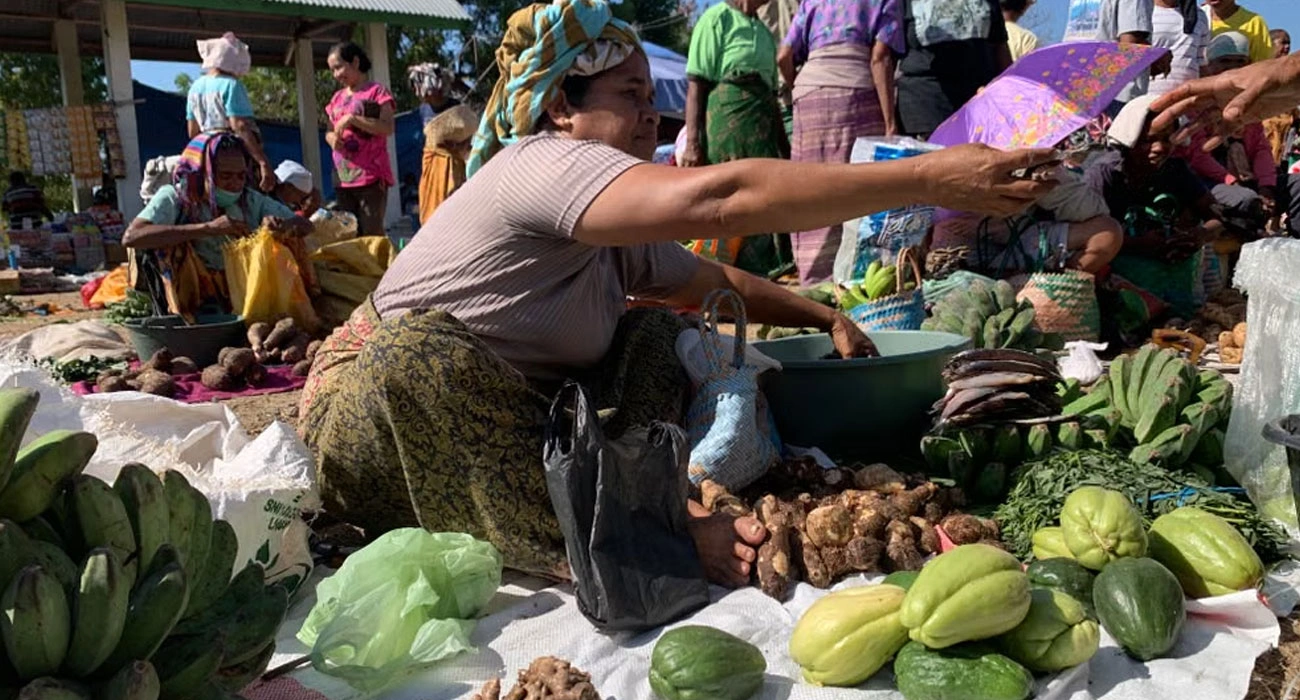
For many travelers, the journey of discovery begins long before they arrive at a destination’s most famous landmarks. It often starts with a local dish, a bustling market, or the chance to learn how a community prepares its food. Culinary tourism is turning these experiences into an integral part of travel, with food evolving from mere sustenance to a compelling reason for selecting a destination. As travelers increasingly seek meaningful experiences, local cuisine has become a vital connection point for tourism businesses, local producers, and communities.
Food's role in travel has expanded significantly, allowing travelers to plan entire journeys centered around regional specialties, traditional cooking methods, and food festivals. According to the World Economic Forum's 2026 Travel & Tourism Development Index, online demand for cultural and entertainment attractions has surged by around 15% between 2024 and 2026, and over half of travelers now prioritize food when planning their trips. This trend indicates that culinary experiences are becoming a unique way for destinations to differentiate themselves in a competitive tourism landscape. Food experiences can also influence how travellers choose their destinations. Local markets, traditional cooking classes, food festivals and regional specialties offer visitors reasons to explore places beyond conventional sightseeing routes. These experiences can encourage longer stays, support small tourism businesses and distribute visitor spending across different parts of a destination.
Connecting Cuisine with Local Identity
A traditional dish often carries a rich story about its origins, reflecting local agriculture, cultural influences, and historical migration. Culinary tourism goes beyond mere entertainment; it allows visitors to engage deeply with a destination's identity through its food. By participating in cooking workshops, exploring local markets, or meeting food producers, travelers gain insights into the social and cultural fabric that defines a place. This not only enhances the travel experience but also helps preserve culinary traditions that might otherwise fade away.
For communities, culinary tourism can stimulate local economies and create opportunities for small businesses. Family-run farms, food artisans, and independent guides can thrive as part of the tourism value chain, benefiting from increased visitor interest. The most impactful experiences occur when local people actively participate in sharing their culinary heritage, ensuring that the stories and traditions associated with local dishes are accurately communicated to visitors. The value of culinary tourism also lies in the knowledge behind each dish. Recipes, preparation techniques and ingredient choices often reflect generations of local experience. When visitors engage directly with producers, cooks and food communities, they gain a better understanding of the cultural context behind what they eat. This interaction can help preserve traditional knowledge while creating additional recognition for local food businesses.
Making Culinary Tourism More Sustainable
The growing popularity of food-focused travel also brings responsibilities. Increased visitor demand can place pressure on local food supplies, traditional markets and the communities that sustain culinary heritage. Destinations must therefore consider how tourism growth affects local producers, food prices and cultural practices.
A more sustainable approach prioritises locally sourced ingredients, responsible food consumption and meaningful partnerships with small businesses. Tourism operators can work with farmers, restaurants and community organisations to create experiences that generate income while respecting local traditions. The goal is not simply to attract more visitors, but to ensure that culinary tourism creates lasting value for the people behind each destination.
A destination can be discovered through its landmarks, but remembered through the flavours and traditions of its people.— EDITORIAL TEAM
- Online demand for cultural and entertainment attractions increased by around 15% between 2024 and 2026, according to the WEF.
- More than half of travellers prioritise food when planning trips, according to the WEF's 2026 analysis.
- The global gastronomy tourism market reached an estimated US$16.1 billion in 2025, compared with US$8.5 billion in 2021.
The Future of Culinary Tourism
Culinary tourism demonstrates that the value of travel extends far beyond the places people visit. Food creates opportunities to understand local identity, support regional businesses and connect with communities through shared experiences. As destinations continue to develop their tourism strategies, the strongest culinary experiences will be those that combine authentic storytelling, responsible practices and lasting benefits for local people.
Categories
Tagged in this story
Image sources