Beyond the Performance: How Live Music Is Becoming a Global Economic Force
Exploring the transformative impact of live music on the global creative economy.
The Growing Value of Live Experiences
The Economic Ecosystem Behind Every Concert
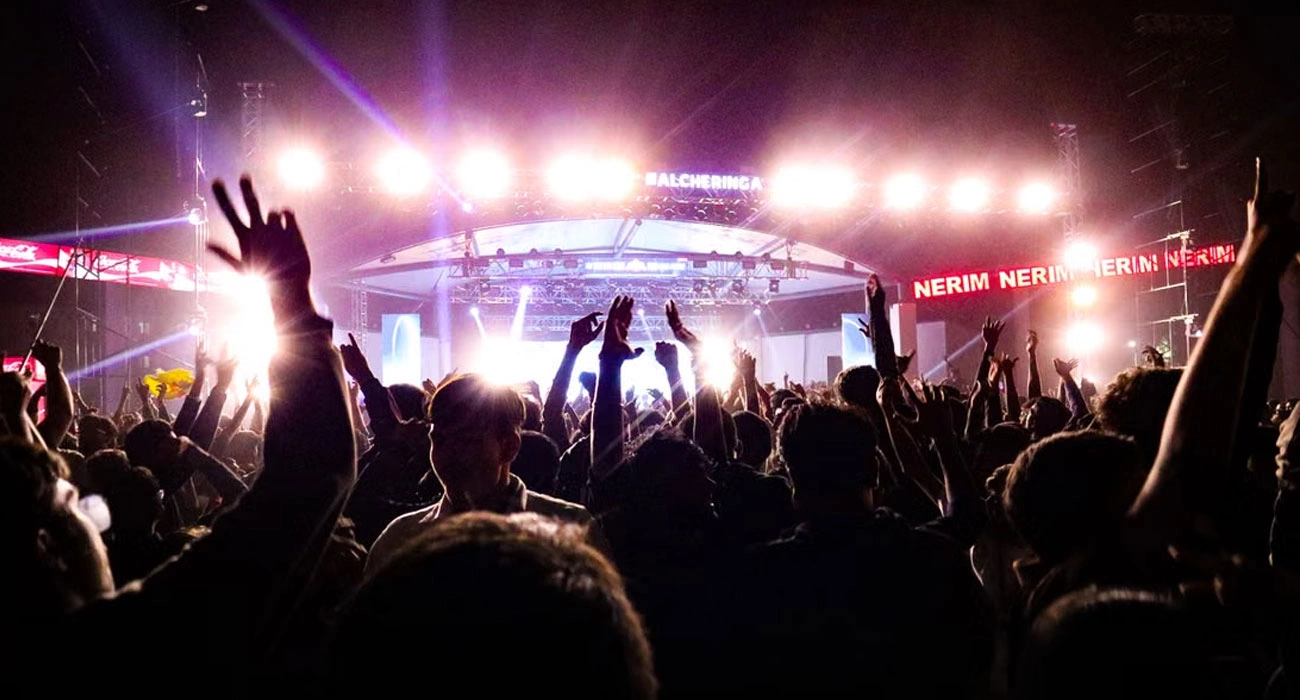
Music becomes more powerful when it moves beyond the stage, creating shared experiences that connect people, cultures, and communities.— INSPIRING CIRCLE EDITORIAL TEAM
- Global live music ticket revenue surpassed US$40 billion in 2025, according to Omdia.
- Omdia projects that global live music ticket revenue will reach US$50 billion by 2030.
- Paid attendance across the markets covered by Omdia is expected to surpass 500 million by 2027.
- CISAC reported that live music royalty collections reached a record EUR 1.4 billion in 2025, increasing 14.9% year over year.
Building a More Sustainable Creative Economy
Contribution to Society
Live music contributes to society by supporting cultural expression, creative employment, and opportunities for people to connect through shared experiences.
The industry provides professional pathways for musicians, composers, sound engineers, stage designers, event managers, technicians, and numerous other creative workers. It also supports local businesses and can strengthen the cultural identity of cities and communities.
Live performances offer opportunities for cultural exchange by introducing audiences to different musical traditions, languages, and artistic perspectives. Festivals and concerts can also create spaces where emerging performers gain visibility and develop professional relationships.
For these benefits to remain sustainable, the industry must continue improving access, supporting independent artists, and promoting fair compensation throughout the creative value chain.
Live music demonstrates that the value of entertainment extends far beyond the performance itself. Every concert represents a combination of artistic expression, professional collaboration, commercial activity, and human connection.
As the global live music industry continues to expand, its future will depend on the ability to balance commercial growth with opportunities for creators and communities. Supporting the people behind the performances is essential to maintaining a vibrant and diverse creative economy.
Through Inspiring Circle, the stories of artists, creative entrepreneurs, and industry leaders help illustrate how cultural expression can create lasting value and bring people together across generations and borders.