Beyond Waste: How Circular Trade Is Creating a New Global Employment Economy
Written by Admin • 2026-11-19 01:31:00
Topics
The circular economy is evolving beyond waste management into a global economic driver that supports employment and sustainable business practices. Circular trade creates opportunities across various industries, prompting a shift in how businesses approach resource value and employment quality.
Beyond Waste: How Circular Trade Is Creating a New Global Employment Economy
Exploring the transformative power of the circular economy on global employment and sustainable business practices.
The Circular Economy Beyond Recycling
A key part of this transition is the shift from selling products to maintaining their value over time. Repair services, refurbishment, component recovery and material resale allow businesses to generate revenue beyond the initial sale of a product. This creates opportunities for companies to develop longer-term customer relationships while reducing dependence on newly extracted resources.
For manufacturers and retailers, circular models can also encourage new approaches to product design. Products designed for durability, repair and easier disassembly are more suitable for reuse and recovery, helping businesses connect environmental responsibility with long-term commercial value.
How Circular Trade Creates Employment
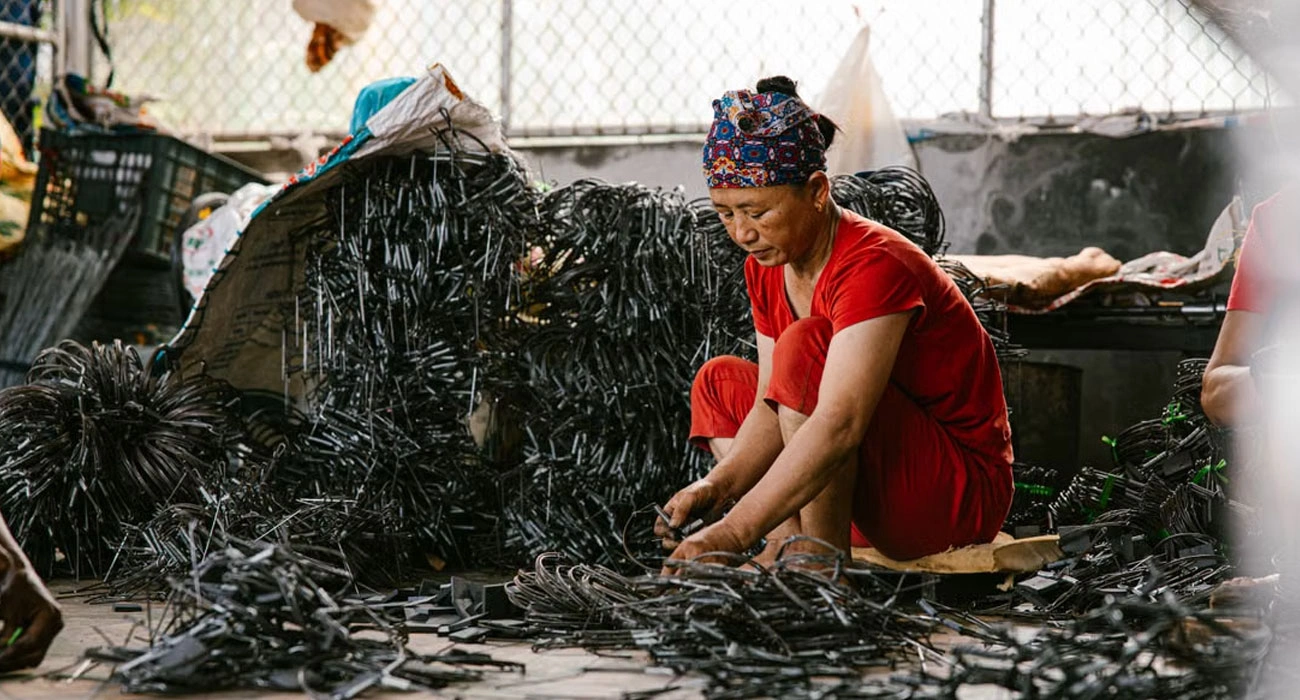
The ILO's 2026 report, 'Circular Economy, Trade and Employment,' examines employment linked to international exports of recyclable, reusable, and remanufactured goods. This interconnected economic system allows materials recovered in one location to become resources for businesses in another. As a result, circular trade not only creates jobs directly but also fosters broader economic growth across various sectors, including transportation, wholesale trade, and manufacturing.
However, the growth of circular employment also changes the skills businesses need. Workers may require practical knowledge in material sorting, equipment maintenance, product repair, quality assessment and resource management. Digital skills are becoming relevant as well, particularly in businesses using tracking systems to monitor materials and coordinate the movement of recovered products.
This shift highlights the importance of vocational training and workforce development. As circular business models expand, cooperation between companies, educational institutions and local communities can help workers prepare for emerging roles and adapt to changing industry requirements.
The circular economy is not only about keeping materials in use. It is also about creating value through the people and businesses that make it possible.— Inspiring Circle Editorial Team
New Opportunities for Businesses
However, circular business models also require investment, reliable collection systems, technical skills, and clear quality standards. The growth of this sector raises essential questions about employment quality, including informality, skills, and gender equity. As circular industries expand, businesses and policymakers must ensure that employment opportunities are inclusive and sustainable, focusing on professional training, safer working environments, and better recognition of technical skills.
The transition also creates opportunities for collaboration across industries. A material considered waste by one business may become a valuable input for another, encouraging partnerships between manufacturers, recycling operators, logistics providers and technology companies. These connections can support more efficient resource use while opening additional sources of revenue.
For entrepreneurs, circular trade offers room to develop specialised services in areas such as repair, remanufacturing, material recovery and product lifecycle management. The strongest opportunities often emerge when businesses identify practical ways to turn unused resources into products or services with measurable market value.
- Circular economy trade supports nearly six million jobs worldwide, according to the ILO.
- The ILO's 2026 report examines employment linked to exports of recyclable, reusable and remanufactured goods.
- Circular trade creates both direct and indirect employment across global value chains.
- The ILO identifies informality, skills and gender as important considerations in ensuring a just transition.
Categories
Tagged in this story
Image sources