
China’s Economic Shift: Redefining Cultural Legacy Building in Asia’s Financial Landscape
Written by Admin • 2026-04-23 11:33:00
As China undergoes structural economic adjustments, its transition towards consumption-driven growth is creating new opportunities for innovation and cultural legacy building. This shift has significant implications for both the domestic economy and the broader Asian financial landscape.
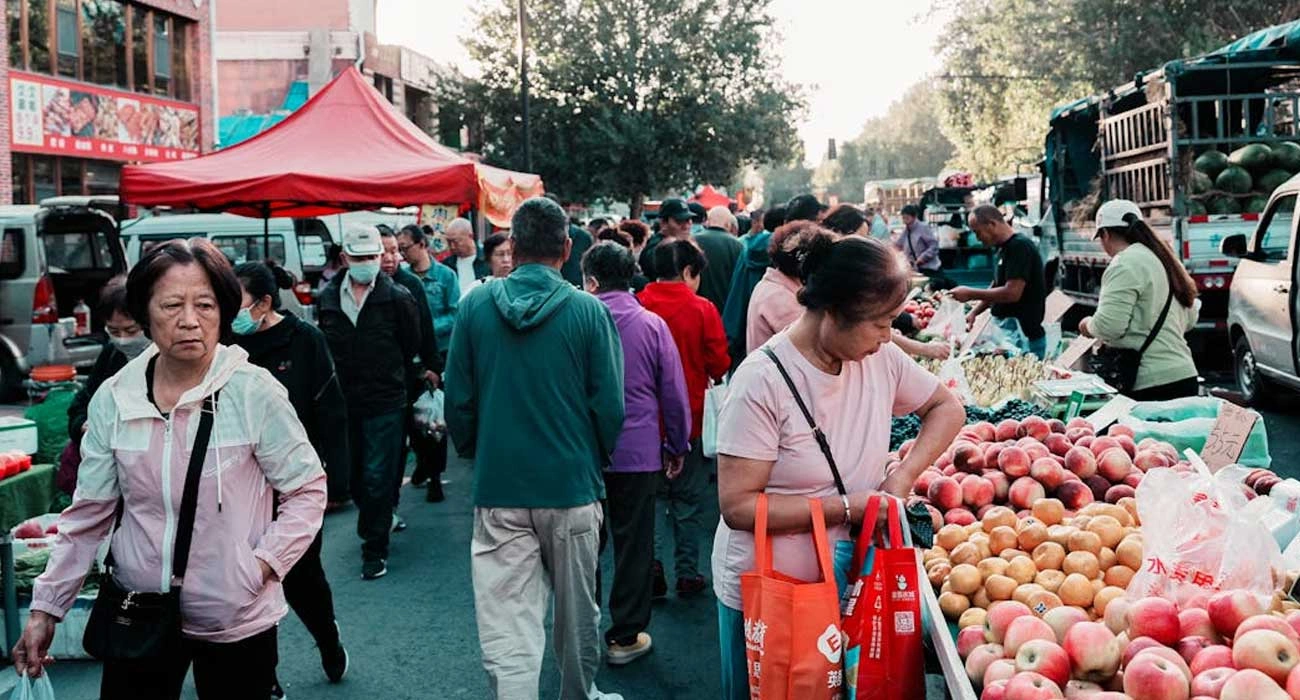
China's Economic Shift: Redefining Cultural Legacy Building
Exploring the transformation of Asia’s financial landscape
China's Economic Transformation
As China undergoes significant structural economic adjustments, its financial landscape is entering a transformative phase. The nation is experiencing slower growth rates, challenges within the property sector, and evolving policy directions that are not only impacting China but also reshaping the broader Asian economy. This transition is part of a global transformation narrative that reflects the interconnectedness of economies and highlights the importance of adaptability in the face of change.
Recent analyses from the World Economic Forum reveal that China's shift towards consumption-driven growth is creating new avenues for innovation and enterprise leadership. Companies are increasingly focusing on sustainability, technological advancements, and domestic demand, positioning themselves as creative industry leaders within a rapidly changing economic environment. These changes are critical for fostering resilience and ensuring that the economy can thrive amid global uncertainties.
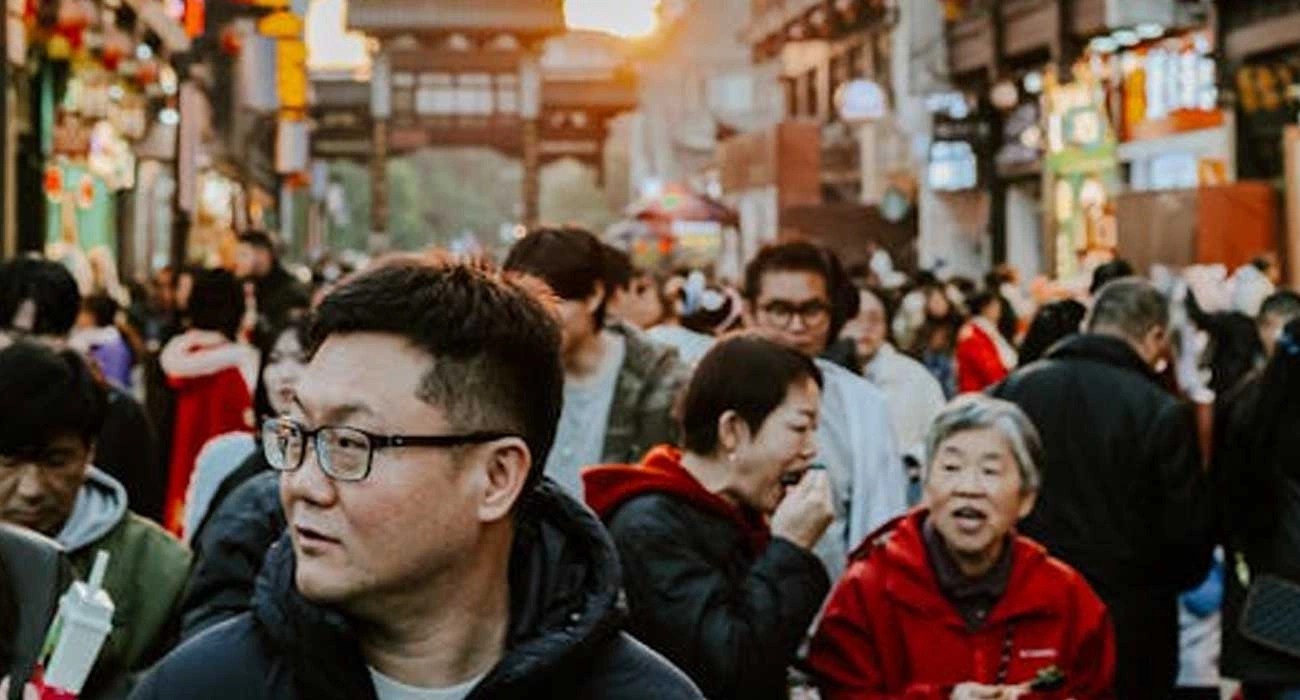
Cultural Legacy and Societal Implications
The transition towards a more sustainable and inclusive growth model carries significant societal implications. By emphasizing long-term stability and economic restructuring, China is not only promoting sustainable development but is also reinforcing its cultural legacy. This delicate balance between rapid modernization and socio-economic continuity is essential for maintaining social cohesion and ensuring that the benefits of growth are widely distributed across the population.
Cultural legacy building is increasingly vital in this context, as it helps to anchor economic growth in shared values and community identity. As the nation progresses, there is a concerted effort to integrate cultural heritage with contemporary economic practices, fostering a unique identity that resonates with the aspirations of the Chinese people.
It doesn’t matter whether a cat is black or white, as long as it catches mice.— Deng Xiaoping
Facts & Insights
70%
Increase in domestic consumption projected by 2025
50%
Growth in the creative industry sector over the next decade
Categories
Image sources
www.pexels.com