
Chuck Magro: Rebuilding Agriculture Around Genetics and Innovation
Written by Admin • 2026-09-04 01:30:00
As Vylor prepares to separate from Corteva, Chuck Magro is helping shape a new agricultural company built around genetics, biotechnology, and digital innovation — revealing how science is redefining the future of farming.
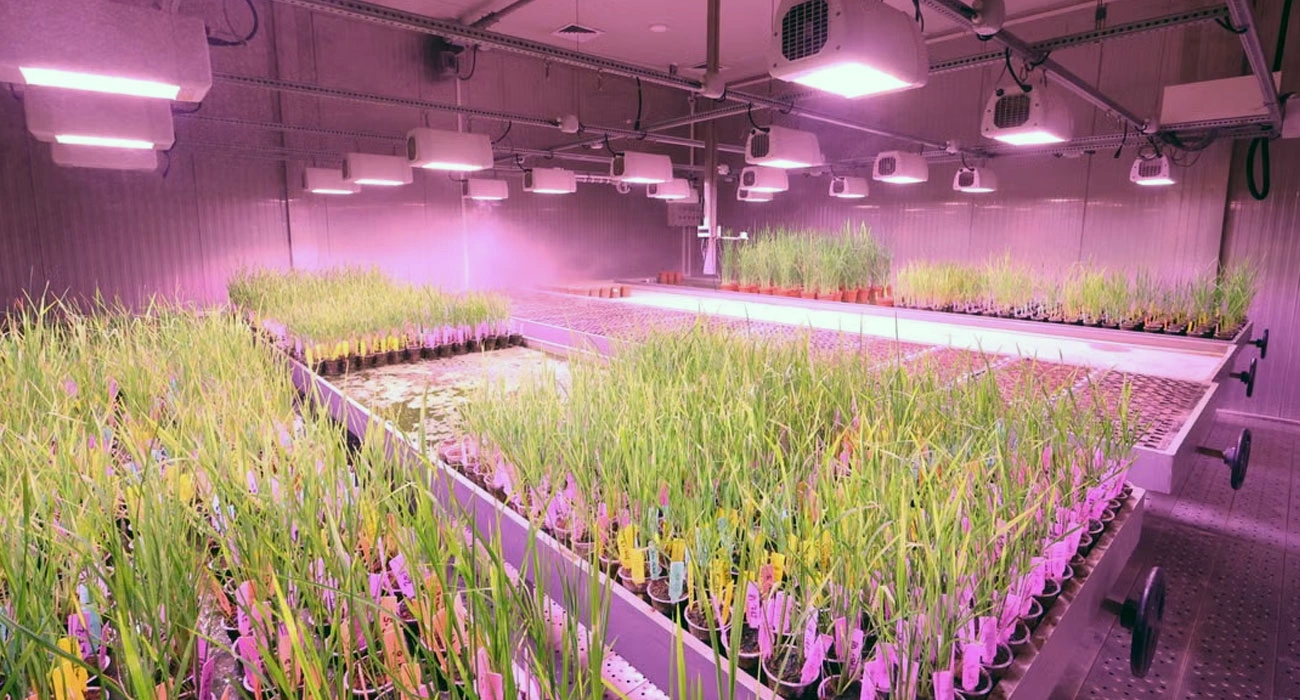
Chuck Magro: Rebuilding Agriculture Around Genetics and Innovation
The future of agriculture may be determined long before a seed reaches the soil.
From Seeds to Scientific Infrastructure
Modern agriculture is increasingly reliant on genetics and biotechnology to address the pressing challenges of food production. This shift is not merely about cultivating traditional crops but transforming how seeds are engineered to be more resilient, nutritious, and sustainable. As the agricultural landscape evolves, the integration of data-driven technologies, artificial intelligence, and advanced gene editing is becoming paramount. The focus on scientific infrastructure allows for a deeper understanding of plant biology, making it possible to develop crops that can thrive in changing climatic conditions and meet the demands of a growing global population.
Chuck Magro, as CEO of Vylor, is at the forefront of this transformation. Under his leadership, Vylor is positioning itself to leverage cutting-edge research to create innovative agricultural solutions. This approach not only addresses immediate agricultural challenges but also lays the groundwork for sustainable practices that can endure for generations. As Vylor prepares to separate from Corteva, the emphasis on scientific innovation will be crucial for its mission to redefine the future of farming.
Building Vylor as a New Company
The separation of Vylor from Corteva marks a significant milestone in the agricultural sector. By establishing itself as an independent entity, Vylor can concentrate on its core mission: advancing seed genetics and biotechnology. This strategic move allows for a more agile and focused approach to innovation, enabling Vylor to respond swiftly to market demands and technological advancements. The company is not only poised to enhance its research capabilities but also to foster collaborations that can drive agricultural innovation forward.
Vylor's new structure facilitates the development of specialized teams dedicated to exploring advanced genetic techniques and sustainable practices. This transformation underscores the importance of strategic alignment in the agricultural landscape, where the interplay of traditional farming methods and cutting-edge science can yield substantial benefits. As Vylor embarks on this journey, it represents a broader trend within the industry toward embracing innovation as a fundamental driver of success.
Beyond Corn and Soybeans
Advanced genetics has the potential to expand agricultural horizons beyond traditional row crops like corn and soybeans. With Vylor's focus on gene editing and biotechnology, new opportunities are emerging in the cultivation of fruits and vegetables. By harnessing the power of genetic research, Vylor aims to develop crops that are not only more resilient but also enhance nutritional value and reduce environmental impact. This diversification is crucial as consumer preferences shift towards healthier food options and sustainable practices.
The implications of this expansion are significant. By investing in the genetic modification of a wider variety of crops, Vylor can contribute to food security while addressing the challenges posed by climate change. As the world moves towards a more diverse agricultural landscape, Vylor's innovative approach sets a precedent for other companies looking to adapt and thrive in the face of evolving consumer demands and environmental conditions.
Facts & Insights
- Vylor is scheduled to become an independent advanced seed and genetics company following its separation from Corteva in October 2026.
- The company says its innovation base includes more than 4,000 germplasm patents and more than 2,000 biotechnology patents.
- Vylor's new investment platform, Vylor Edge, will focus on gene editing, advanced breeding, protein engineering, artificial intelligence and digital agriculture technologies.
Innovation could transform agriculture, and with it, the world.— Chuck Magro / Vylor, via Corteva.
4,000+
Germplasm Patents
2,000+
Biotechnology Patents
2035
Innovation Horizon
3+
Core Technology Areas

Feeding the Future Through Better Genetics
The intersection of food security, productivity, and climate resilience is where Vylor's genetic innovations will make a significant impact. By developing more resilient crops, Vylor has the potential to support farmers in adapting to the challenges posed by climate change and ensuring a stable food supply. This focus on genetic research is not just about enhancing yield; it is also about improving the overall sustainability of agricultural practices.
As Vylor continues to evolve, its commitment to agricultural innovation will play a pivotal role in reshaping the industry's future. Through collaborations with startups, universities, and external scientific communities, Vylor can accelerate its research and development efforts. This collaborative approach will not only drive technological advancements but will also ensure that the agricultural sector is well-equipped to meet the needs of future generations.
The Future of Farming Begins Before the Field
Agriculture has always depended on innovation, but the tools shaping its future are becoming increasingly sophisticated. Seeds are no longer simply the starting point of a growing season; they are becoming the product of decades of genetic research, biotechnology, and scientific investment. Vylor's emergence reflects this changing reality and the belief that solving tomorrow's agricultural challenges will require collaboration across science, entrepreneurship, and farming.
For BritishPEDIA, the story represents something larger than the creation of a new company: it is a portrait of how scientific leadership can reshape one of humanity's oldest industries and create a legacy measured not only in commercial success but in the ability to feed and sustain future generations.
Categories
Tagged in this story
Image sources
Pexels - Photo by Resham Kumari | AI generated image