
Classic Masterpieces Are Finding New Life Through Modern Technology
Written by Admin • 2026-06-11 01:50:00
Modern technology is transforming how classic masterpieces are experienced, making art more accessible through virtual exhibitions and digital storytelling. This evolution not only preserves cultural heritage but also fosters creativity and inspires future generations.
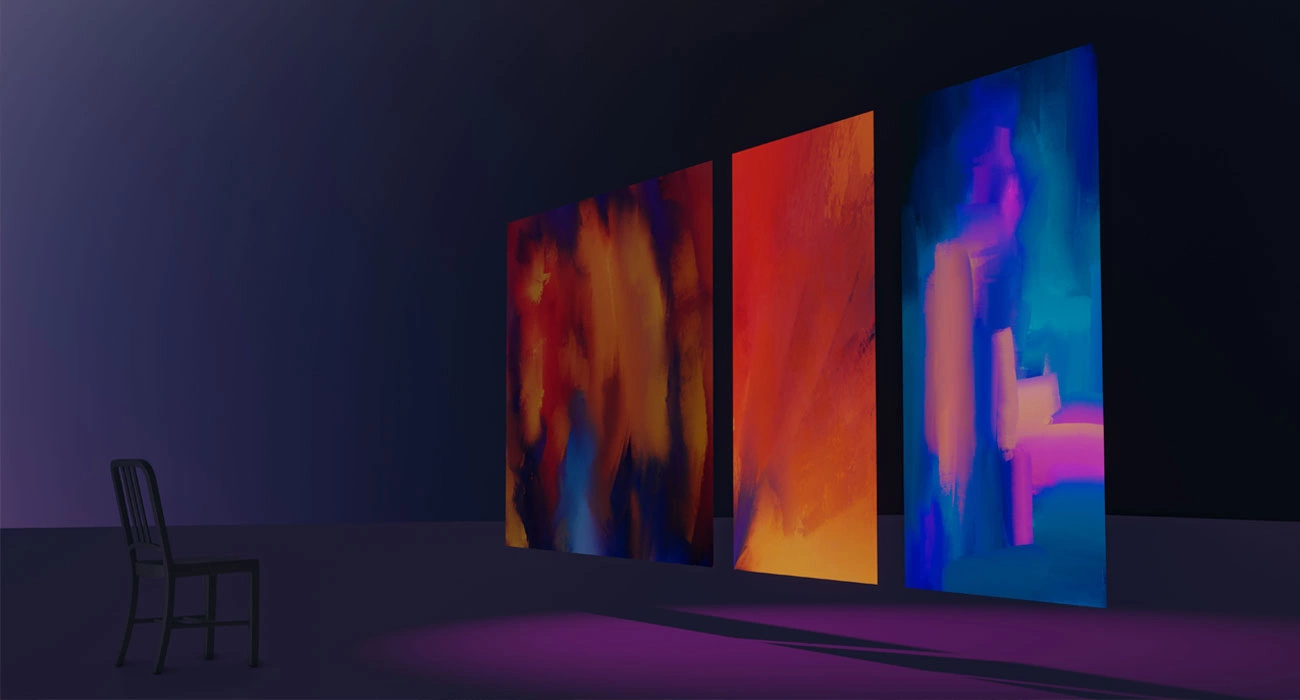
Classic Masterpieces Are Finding New Life Through Modern Technology
Exploring how digital innovation breathes new life into timeless art.
The Intersection of Art and Technology
For centuries, classic masterpieces have been confined to the walls of galleries and museums, often feeling distant and inaccessible to the general public. However, the advent of modern technology is changing this narrative. Virtual exhibitions, immersive experiences, and digital storytelling are now allowing audiences to engage with art in ways that are not only relevant but also deeply immersive. These advancements are creating new pathways for exploration, bringing classic works of art closer to people, and making them more relatable to contemporary audiences.
Rather than replacing traditional forms of art appreciation, technology serves to expand its reach and influence. Museums and galleries are increasingly adopting these technologies to enhance visitor experiences, allowing them to interact with artworks through augmented reality and multimedia displays. This evolution is not just about viewing art; it's about experiencing it in a manner that resonates with today’s digital culture, fostering a deeper connection between the audience and the artwork.
Cultural Preservation and Education
In addition to enhancing engagement, digital technology plays a crucial role in cultural preservation and education. By digitizing artworks, museums ensure that these treasures are safeguarded against the passage of time and potential damage. Digital archives offer a way to preserve cultural heritage while making it accessible to a global audience, regardless of geographical barriers. This democratization of art and history is vital, as it allows future generations to learn from and appreciate the artistic achievements of the past.
Furthermore, the incorporation of technology into the art world encourages creativity and innovation. Artists are now exploring new mediums and methods to express their ideas, often blurring the lines between traditional and contemporary practices. This synergy between classic art and modern technology not only revitalizes interest in historical pieces but also inspires new works that pay homage to the past while pushing the boundaries of artistic expression.
Art washes away from the soul the dust of everyday life.— Pablo Picasso
Facts & Insights
- Museums increasingly invest in digital engagement.
- Virtual exhibitions attract younger audiences.
- Digital archives help preserve cultural heritage.
Thousands
Artworks digitized annually
Millions
Visitors engage with virtual exhibitions
24/7
Access to digital collections worldwide
1
Mission — Preserve culture for future generations
Categories
Image sources
www.pexels.com