
Dark Sky Tourism Is Turning Remote Places Into Global Destinations
Written by Admin • 2026-06-11 02:34:00
Dark sky tourism is emerging as a popular travel trend, drawing visitors to remote locations where the night sky is free from light pollution. This movement not only offers unique astronomical experiences but also promotes conservation and wellness, making it a sustainable choice for travelers seeking to reconnect with nature.
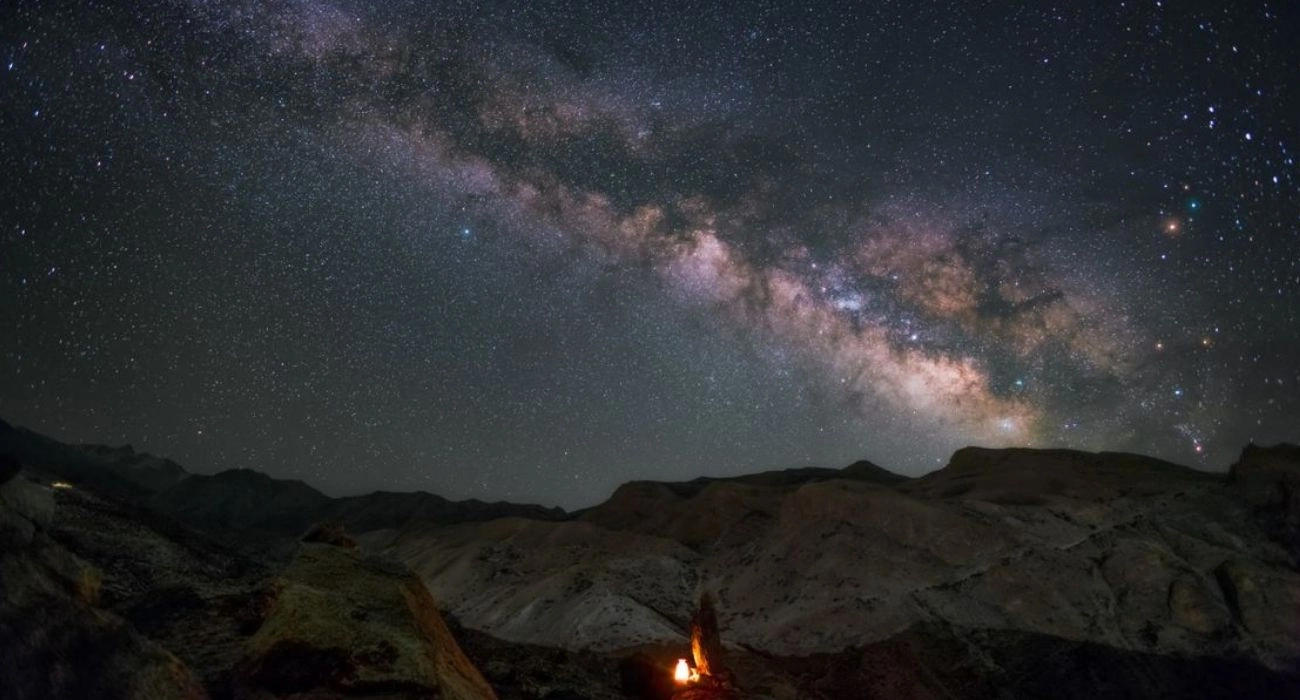
Dark Sky Tourism: Transforming Remote Places into Global Destinations
Discover the allure of untouched night skies and the rise of astrotourism.
The Allure of Dark Skies
As urban areas become increasingly illuminated, travelers are yearning for places where the night sky remains pristine. Dark sky tourism is on the rise, attracting visitors to remote locations that offer breathtaking views of star-filled skies. With more than 80% of the global population living under light-polluted skies, these untouched destinations are becoming a sanctuary for those seeking to reconnect with nature in a profound way.
The experiences that dark sky tourism provides are not only about stargazing; they encompass astronomy, conservation, and wellness. National parks and protected areas are implementing initiatives to maintain their natural darkness while also bolstering local economies. This movement not only satisfies travelers' desires for a unique experience but also fosters a greater environmental consciousness among communities.
Benefits of Dark Sky Tourism
Dark sky tourism serves as a catalyst for sustainable tourism, encouraging the protection of natural environments while providing economic opportunities for remote areas. As travelers seek experiences that allow them to disconnect from the digital world, destinations that prioritize dark skies are becoming increasingly attractive. This aligns with the growing trend of wellness tourism, where individuals focus on mental and physical well-being through nature immersion.
Moreover, the rise of astrotourism is not just about leisure; it plays a vital role in conservation efforts. By promoting awareness of light pollution and its effects on wildlife and human health, dark sky initiatives encourage communities to adopt more sustainable practices. This creates a symbiotic relationship where tourism supports local ecosystems while providing unforgettable experiences for visitors.
"Dark sky tourism is a unique blend of exploration and environmental stewardship, allowing people to appreciate the universe while promoting conservation efforts."— Astronomy Expert
Facts & Insights
- More than 80% of the world's population lives under skies affected by artificial light pollution.
- Dark Sky Parks and Reserves are expanding globally, with certified locations now found across North America, Europe, Oceania, and Asia.
- Astrotourism is increasingly being promoted alongside wellness tourism as travelers seek digital detox experiences.
200+
Certified dark-sky destinations worldwide
80%
People living under light-polluted skies
Millions
Travelers interested in astronomy experiences
1
Night Sky: Shared natural heritage worth protecting
In an increasingly connected and illuminated world, experiences that encourage people to slow down and reconnect with nature are becoming more valuable. Dark sky tourism offers more than a travel trend; it reminds us that some of the most extraordinary experiences remain the simplest ones. Looking up at the stars has inspired generations, and preserving that opportunity may become one of tourism's most meaningful contributions to future travelers.
Categories
Image sources
www.pexels.com