
Egypt’s Fayoum Portraits: Bringing Ancient Faces into a New Global Conversation
Written by Admin • 2026-10-12 01:45:00
The restoration of Egypt's Tondo of the Two Brothers places the remarkable Fayoum mummy portraits back in focus ahead of an international exhibition in Rome. This article explores the significance of these ancient artworks and the collaborative efforts to preserve and share them.
Egypt’s Fayoum Portraits: Bringing Ancient Faces into a New Global Conversation
Exploring the restoration and international exhibition of the Tondo of the Two Brothers
The Faces of Fayoum
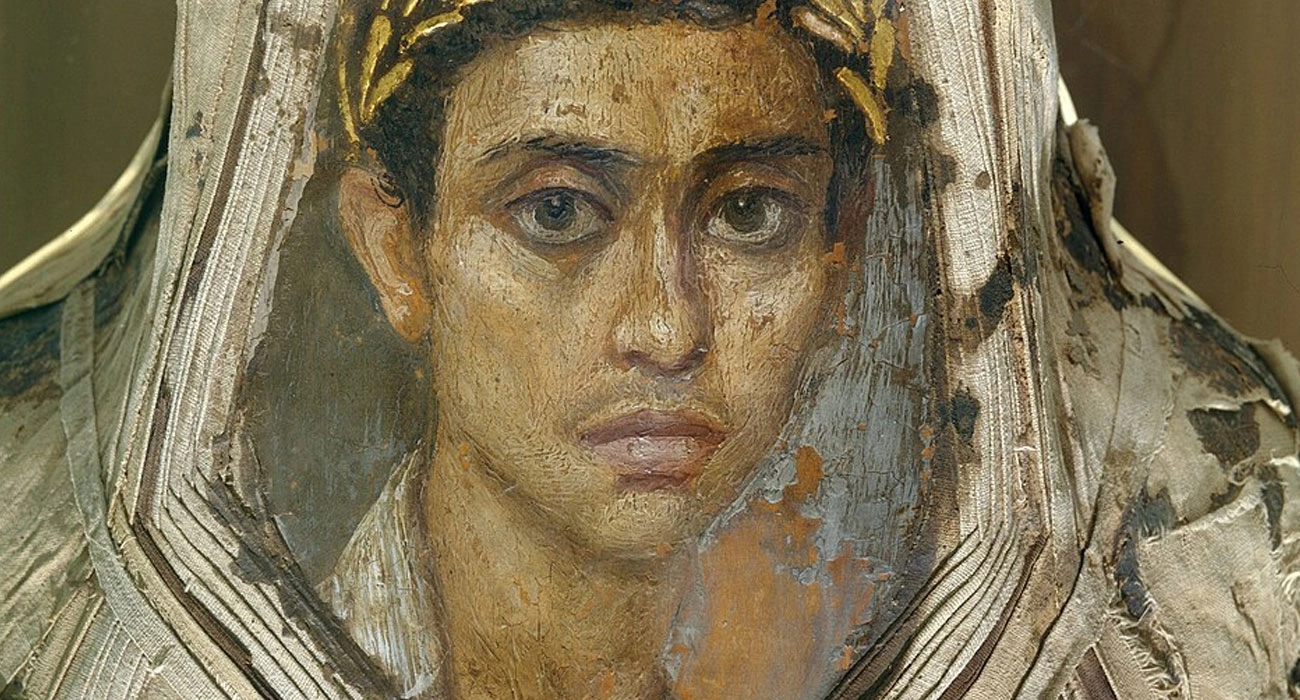
The Fayoum mummy portraits are remarkable artworks that encapsulate the intersection of Egyptian funerary traditions and Greco-Roman artistic influences. Created during the Roman era, these portraits were painted on wooden panels and affixed over the faces of mummies, serving as a window into how identity, memory, and the connection between the living and the deceased were understood at that time. The unique combination of styles and techniques found in these portraits reflects a rich cultural dialogue and offers insights into the historical context of ancient Egypt.
Among these notable works is the Tondo of the Two Brothers, a second-century portrait that has recently garnered attention following a collaborative restoration. This artwork not only showcases artistic excellence but also embodies the historical narratives of familial bonds and identity, making it a focal point for discussions on ancient art and cultural heritage.
The Story of the Tondo
The Tondo of the Two Brothers is distinctive due to its circular shape and the depiction of two figures, which is relatively uncommon in Fayoum mummy portraits. This feature highlights the familial connection, emphasizing how art can serve as a medium for storytelling and cultural expression. The restoration process was particularly challenging, as the wooden support showed signs of termite damage, and the painted surface was incredibly fragile. This meticulous restoration aimed to preserve not only the physical integrity of the artwork but also its historical significance.
The Science of Restoration
The collaboration for the restoration of the Tondo involved specialists from Rome working closely with conservators at the Egyptian Museum in Tahrir over a period of three weeks. This partnership exemplifies how international efforts can enhance the preservation of cultural heritage. The restoration techniques employed were carefully documented, providing valuable insights into the science behind conserving fragile artworks. Such collaborations are vital in ensuring that these ancient treasures are maintained for future generations while also fostering a network of expertise across institutions.
From Cairo to Rome
The upcoming exhibition in Rome, scheduled from November 2026 to May 2027, will feature the restored Tondo alongside a substantial group of Fayoum portraits that have remained in Egypt. This exhibition not only aims to showcase the beauty and significance of these artworks but also facilitates a cultural exchange that allows international audiences to engage with Egypt’s rich artistic heritage. By bringing these portraits to a global stage, the exhibition creates an opportunity for deeper connections between cultures and historical narratives.
an important example of what can be achieved through international cooperation— Sherif Fathy, Egypt's Minister of Tourism and Antiquities
Facts & Insights
- The Tondo of the Two Brothers is a second-century painting associated with the Fayoum mummy portraits of Roman-era Egypt.
- Specialists from Rome worked with conservators at the Egyptian Museum in Tahrir for three weeks to restore the artwork.
- The planned Rome exhibition, running from November 2026 to May 2027, is expected to include more than 110 objects, including painted panels, funerary shrouds, masks, marble portraits, plaster casts, and ancient jewellery.
2nd
Century: Tondo Period
3
Weeks: Reported collaboration
110+
Objects expected in the Rome exhibition
6
Months of Exhibition, 2026 - 2027
Categories
Tagged in this story
Image sources
This file was donated to Wikimedia Commons as part of a project by the Metropolitan Museum of Art. See the Image and Data Resources Open Access Policy, CC0, https://commons.wikimedia.org/w/index.php?curid=60900674