
From Coffee Farm to Global Brand: How One Ethiopian Company Is Rewriting the Value of Origin
Written by Admin • 2026-08-21 02:06:00
Topics
Ethiopia gave the world coffee, but a new generation of businesses wants to capture more of the value created from it—by turning origin itself into a global brand.
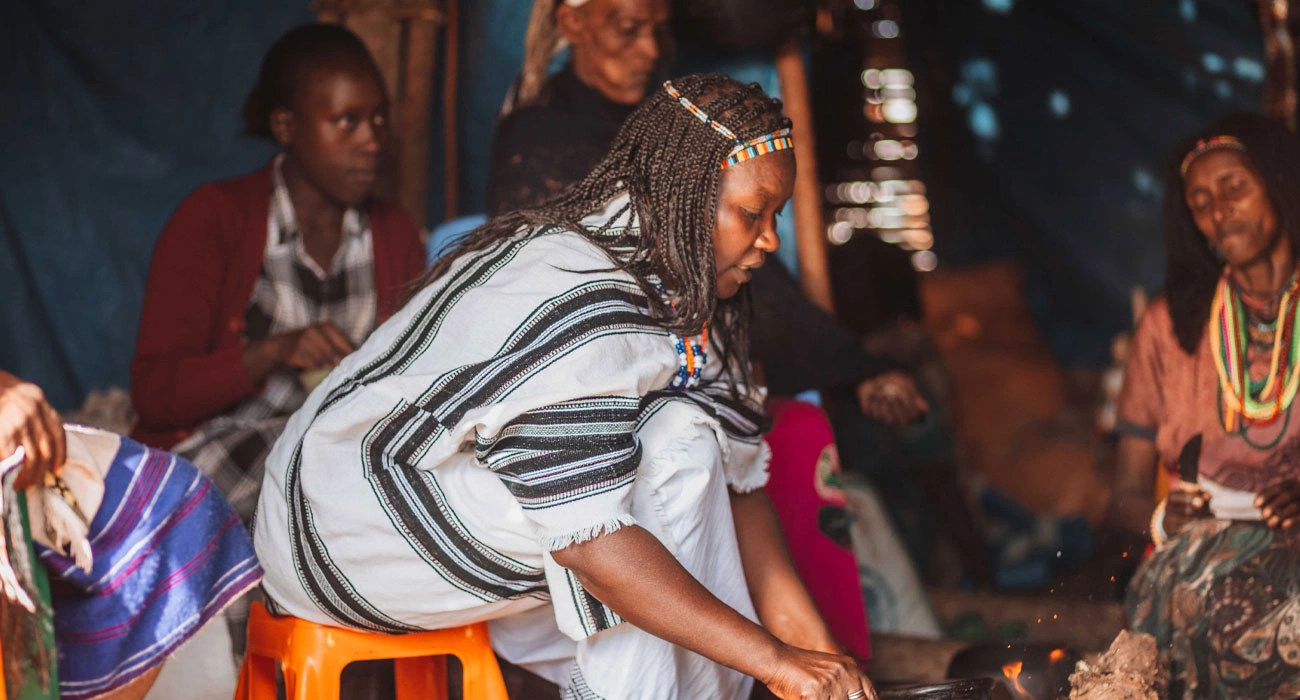
From Coffee Farm to Global Brand
How One Ethiopian Company Is Rewriting the Value of Origin
Ethiopia and the Origins of Coffee Culture
Ethiopia is not just known for its rich history and diverse cultures, but it is also celebrated as the birthplace of coffee. The Coffea arabica plant, which produces the beans that fuel coffee culture worldwide, originated in the lush highlands of Ethiopia. This legacy has shaped the nation's identity, making coffee an integral part of Ethiopian social and economic life. Coffee ceremonies, a traditional practice in Ethiopian culture, highlight the significance of coffee beyond mere consumption, showcasing its role in community bonding and cultural expression.
Despite its prestigious heritage, much of the value generated from Ethiopian coffee has historically been siphoned off by international traders and brands. Farmers, who toil diligently on the land, often receive a fraction of the price that consumers pay for coffee in global markets. This disparity highlights the challenges faced by Ethiopian coffee producers in capturing the full value of their labor and heritage, prompting a need for change.
The Problem With Exporting Raw Value
For decades, Ethiopia's coffee industry has grappled with the issue of exporting raw materials. Many local farmers and cooperatives have been limited to selling unprocessed beans, which leaves them vulnerable to fluctuating global prices and diminishes their bargaining power. This model not only restricts their income potential but also overlooks the unique qualities of Ethiopian coffee that could enhance its marketability.
The inability to fully capitalize on their unique agricultural products has led to a cycle of poverty in some farming communities. Without the means to process and brand their coffee, many farmers remain dependent on external entities that dictate terms and prices. This dynamic has stunted the growth of a self-sustaining coffee economy in Ethiopia, leaving much of the story of its coffee untold.
How Kerchanshe Built a Larger Coffee Ecosystem
Kerchanshe Group stands as a beacon of hope and innovation in the Ethiopian coffee landscape. By establishing a vertically integrated business model, they have succeeded in connecting every stage of the coffee supply chain—from farming and processing to exporting and marketing. This holistic approach allows them to ensure quality at every step while enhancing the value of Ethiopian coffee in international markets.
Through partnerships with local farmers, Kerchanshe has created a supportive ecosystem that emphasizes fair trade practices and sustainable farming methods. By investing in local communities and infrastructure, they empower farmers to improve their techniques and product quality, which in turn increases the economic benefit to these communities. This model not only promotes economic growth but also fosters a deeper appreciation for the unique qualities of Ethiopian coffee.
The future of African enterprise may depend not only on producing world-class resources, but on owning more of the story, value, and identity attached to those resources.— Kerchanshe Group
From Farmers to International Markets
Kerchanshe Group has successfully positioned Ethiopian coffee on the global stage by highlighting its unique origin. By branding their coffee as a premium product with a rich heritage, they entice international buyers who are increasingly looking for authenticity in their sourcing. This strategy not only elevates the coffee itself but also tells the story of the farmers behind it, thereby creating emotional connections with consumers.
The company’s commitment to quality and origin has resulted in partnerships with renowned coffee brands and cafes worldwide. This has led to an increase in direct sales, enabling them to offer better prices to farmers and ensuring that more of the profits remain within Ethiopia. As a result, the local economy benefits significantly, paving the way for further investments in agricultural innovation and community development.
Creating Value Around Ethiopian Origin
Kerchanshe Group's approach reflects a larger trend among African enterprises aiming to transform their raw materials into global brands. By emphasizing the value of origin, they are not only elevating their products but also redefining the narrative around African commodities. This shift is crucial as it empowers local businesses to reclaim their stories and their worth in global markets.
The success of Kerchanshe and similar companies illustrates that African commodities can transcend their roles as mere raw materials. By investing in branding, quality control, and direct market access, these companies showcase the potential for African resources to become highly valued global brands. This evolution will be essential for economic development across the continent.
Facts & Insights
- Ethiopia is widely recognized as the birthplace of Coffea arabica.
- Coffee remains one of Ethiopia's most important agricultural exports.
- Greater value-chain integration can help producers capture more economic value from agricultural products.
1
Coffee Origin
100+
Years of Global Coffee Trade
1B+
Cups Consumed Worldwide Daily
∞
Potential for Origin-Based Brands
Categories
Tagged in this story
Image sources
Pexels - Photo by Christian Alemu