
From Smart Homes to Physical AI: The Robot Is Moving Into the House
Written by Admin • 2026-09-07 01:44:00
AI is leaving the screen. At IFA 2026, household robots and physical AI systems are showing how intelligence could soon move through our homes rather than simply appearing on our devices.
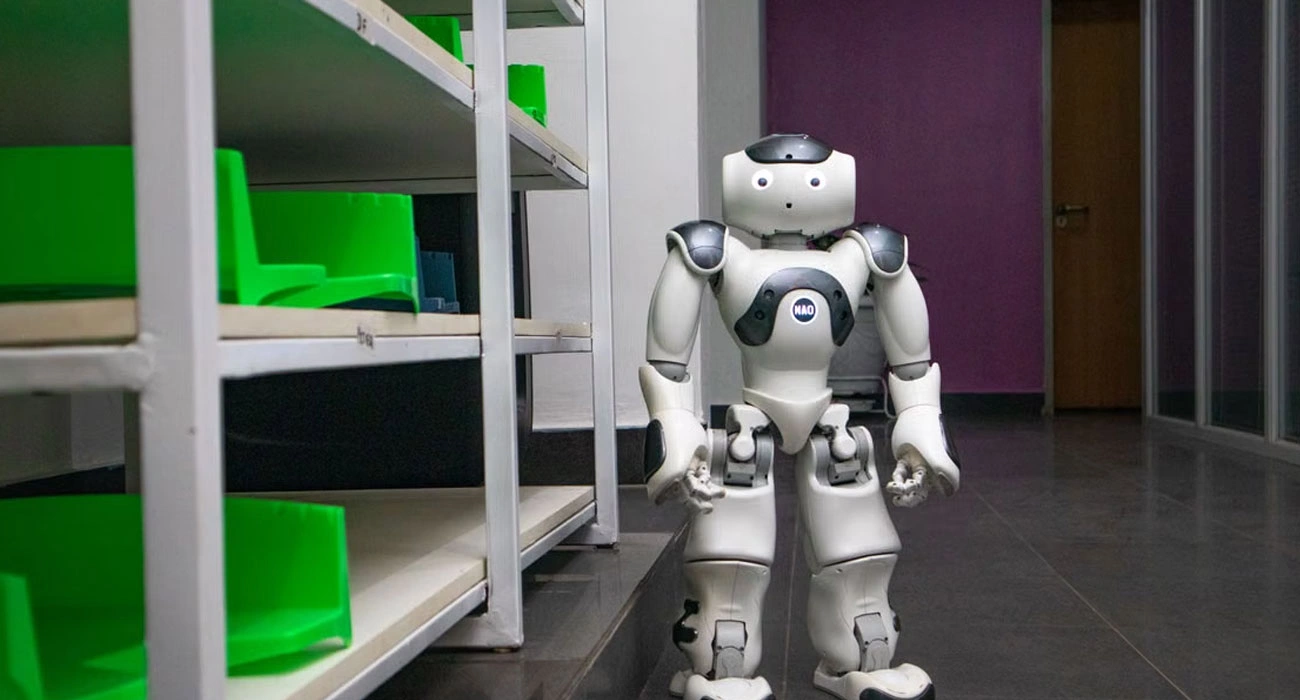
From Smart Homes to Physical AI: The Robot Is Moving Into the House
Artificial intelligence is transitioning from screens to physical devices in our homes.
AI Leaves the Screen
The evolution of artificial intelligence has primarily occurred within the confines of screens, where it has dominated our digital interactions. However, at IFA 2026, a significant shift is underway as AI begins to extend beyond these boundaries. Physical AI is emerging, allowing machines to not only process data but also to take tangible actions in our environments. This transition represents a fundamental change in how we perceive AI, moving from a tool for information retrieval to a proactive assistant capable of performing tasks in our daily lives.
As AI technology integrates into household robotics, the implications for consumers are profound. The ability of robots to navigate physical spaces, understand their surroundings, and perform meaningful tasks will redefine the expectations of smart homes. This transformation signifies that AI is no longer just a digital assistant; it is evolving into a physical presence that can enhance our living spaces and daily routines.
The Rise of the Home Robot
The journey of household robots began with simple vacuum cleaners, but the advancements showcased at IFA 2026 reveal a new class of machines capable of navigating complex home environments. These robots are equipped with advanced sensors and computer vision, enabling them to understand their surroundings and make real-time decisions. The shift from basic automated tasks to more complex interactions represents a significant leap in robotics technology.
The emergence of these sophisticated home robots signifies a growing trend toward automation in everyday tasks. As these devices become more adept at understanding household dynamics, they will not only perform chores but also contribute to energy management and home security, ultimately enhancing the overall quality of life for residents.
Doova and the Idea of AI Companionship
One of the standout innovations at IFA 2026 is Tuya's Doova, an AI companion robot designed to assist individuals living independently. This robot is not just another gadget; it embodies the concept of companionship in technology. Doova offers support by interacting with users and managing connected home systems, fostering a sense of security and independence for its users.
The idea of AI companionship reflects a broader trend toward making technology more human-centric. As robots like Doova take on roles that traditionally required human interaction, they open new possibilities for those who might struggle with daily tasks. This innovation emphasizes the potential of robotics to enhance quality of life, particularly for the elderly or those with disabilities.
“Physical AI is moving AI beyond screens and into practical use across homes, energy systems, robotics and personal assistance.”— Tuya Smart, IFA 2026
Why Sensors Matter More Than Chatbots
In the realm of household robotics, the importance of sensors cannot be overstated. While chatbots have revolutionized customer service by providing information via text, the future lies in machines that can perceive, navigate, and understand their environments. Sensors give robots the ability to detect obstacles, assess room layouts, and adapt to changing conditions, making them far more useful in practical applications.
This capability allows robots to perform tasks efficiently and safely, whether it’s cleaning a room, managing energy consumption, or providing companionship. As technology continues to advance, the integration of sophisticated sensors will be crucial in enhancing the functionality of household robots, enabling them to respond intelligently to their surroundings.
Facts & Insights
- IFA 2026 is placing household robotics, local AI and smart-home technologies among its major themes.
- Tuya introduced Doova, a mobile AI companion robot designed to assist people living independently and interact with connected home systems.
- Tuya says its AI Developer Platform had more than 2.09 million registered AI developers across more than 200 countries and regions as of June 30, 2026.
2.09M+
AI Developers
200+
Countries & Regions
24/7
Potential Operation
3+
AI Home Ecosystems
The Home as an AI Environment
As appliances, robots, and energy systems start to communicate with one another, the concept of the home is evolving into an AI environment. This interconnectedness allows for greater efficiency and convenience, where devices can anticipate needs and work in harmony to enhance the living experience.
The integration of physical AI in household settings could transform how we manage our homes. With robots taking on various roles—from cleaning to assisting with energy management—the potential for improving household efficiency and user experience is enormous. This evolution will pave the way for more intuitive living spaces that respond dynamically to the needs of their occupants.
When Intelligence Becomes Physical
The significance of physical AI is not that robots are suddenly becoming human-like. It is that artificial intelligence is beginning to interact with the physical world in increasingly practical ways. A system that can see a room, understand its context, navigate obstacles and perform an action represents a fundamentally different kind of technology from software that simply produces information.
The home may become one of the most important environments for this transition because it contains endless small tasks, unpredictable conditions, and deeply personal needs. As physical AI matures, BritishPEDIA will be watching not only what robots can do, but how intelligently society chooses to use them.
Categories
Tagged in this story
Image sources
Pexels - Photo by Tope J. Asokere