
From Vasari to Biographical Encyclopedias: The Birth of A Way of Telling Human History
Written by Admin • 2026-07-16 03:41:00
Topics
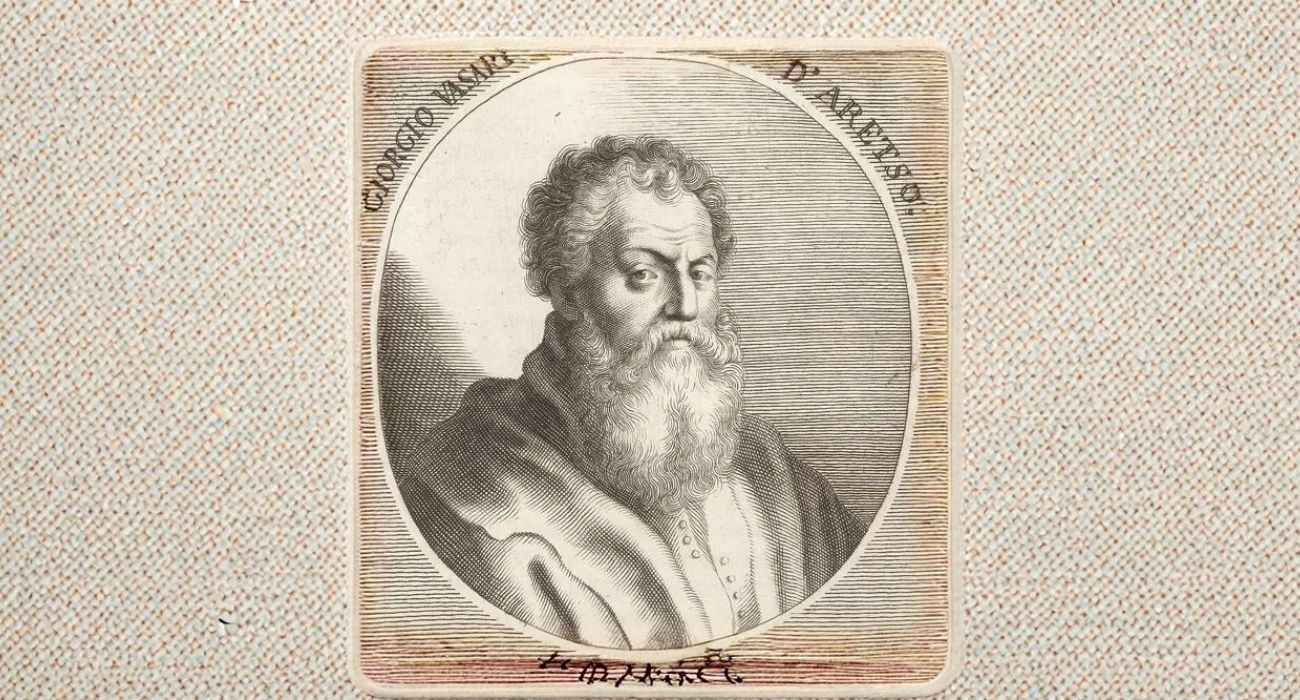
From Giorgio Vasari to Modern Biographical Encyclopedias: How Human Lives Became History
The story of biographical encyclopedias began with a groundbreaking idea: that the lives, achievements, and visions of individuals could reveal the evolution of human civilization.
When Human Stories Became a Way to Understand History
Throughout history, societies have preserved their knowledge through chronicles, records, and collections of important events. Yet one of the most powerful ways of understanding civilization emerged through a different approach: telling history through the lives of remarkable individuals.
The tradition of biographical encyclopedias transformed personal stories into historical records, documenting the achievements, struggles, ideas, and cultural influence of people who shaped their era. Rather than viewing individuals as isolated figures, this approach reveals how human creativity and ambition contribute to broader social change.
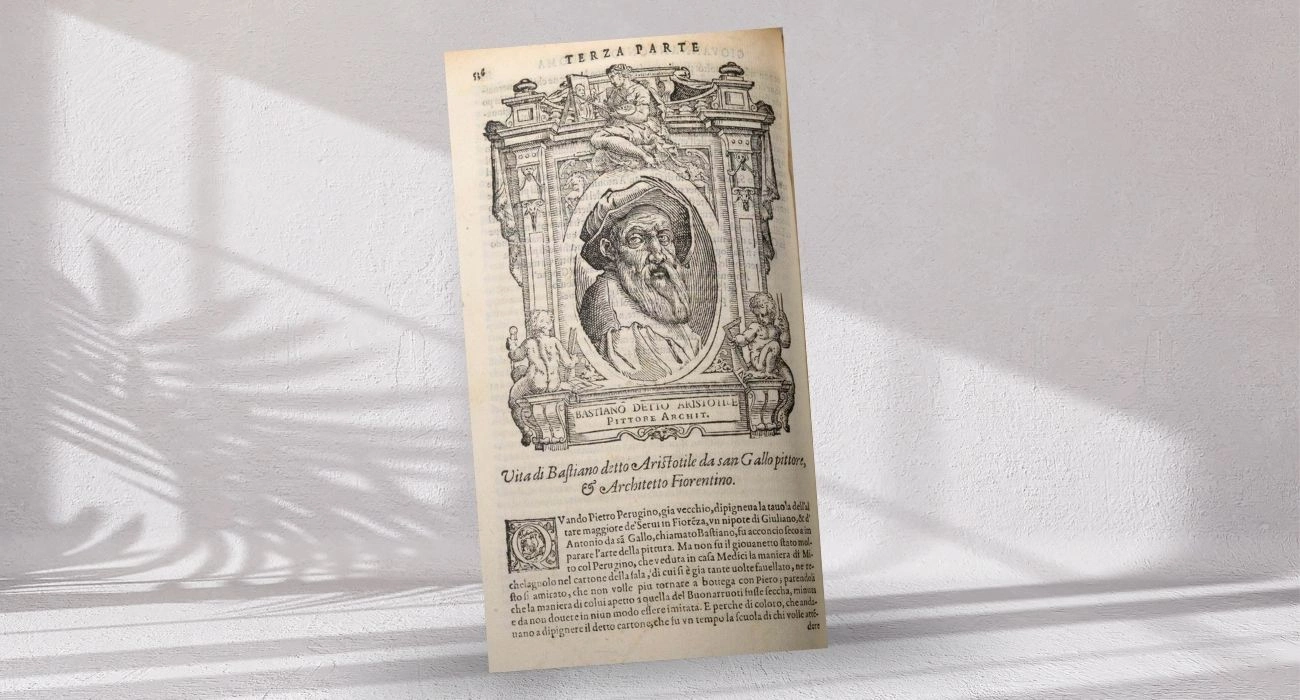
One of the most important milestones in this tradition came during the sixteenth century with Italian artist and writer Giorgio Vasari and his influential work, The Lives of the Most Excellent Painters, Sculptors, and Architects. More than a collection of biographies, the book introduced a new way of understanding history; one where human lives became the foundation of cultural storytelling.
Giorgio Vasari and the Birth of Biographical Art History
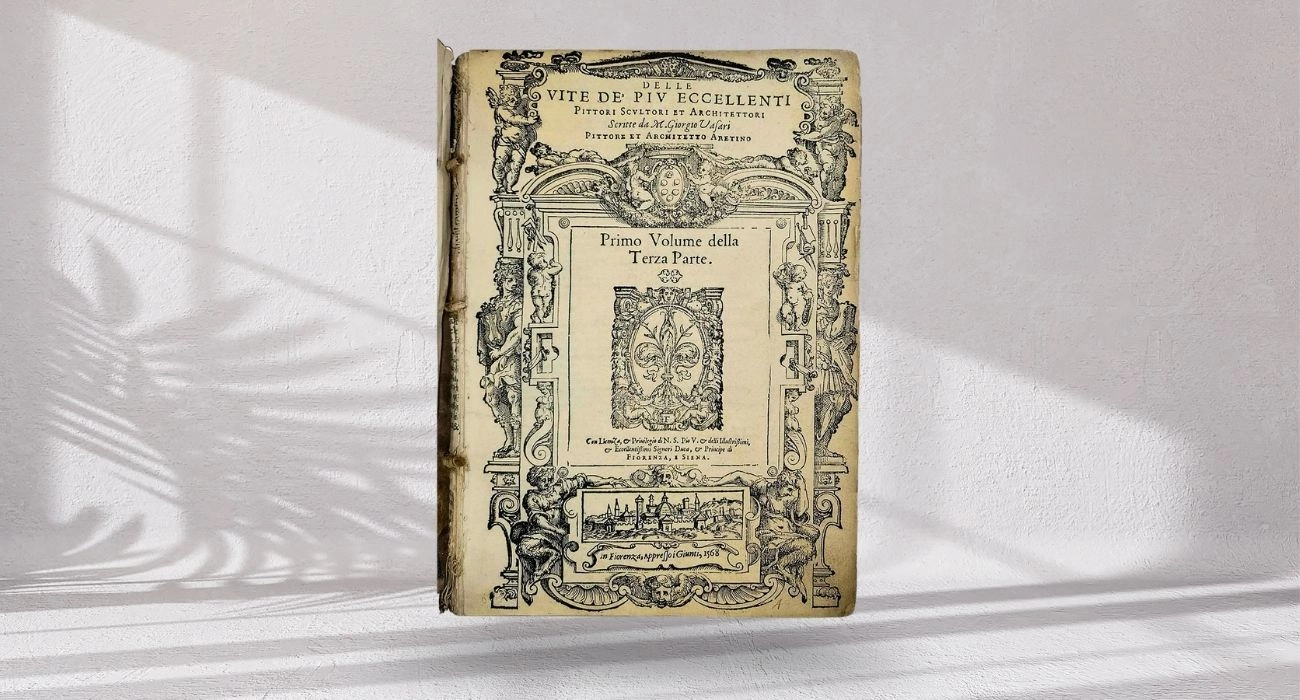
Published in 1550, The Lives of the Most Excellent Painters, Sculptors, and Architects represented a major shift in European intellectual history. Instead of simply describing artworks or listing artistic achievements, Vasari created a connected narrative explaining how art developed through generations of creators.
Before Vasari, historical writing often focused on events, rulers, religious institutions, or collective movements. His approach introduced a different perspective: that the development of culture could be understood by studying the individuals who created it.
Through detailed accounts of artists' backgrounds, working methods, personalities, and achievements, Vasari transformed biography into a historical tool. He showed that creative progress was not only shaped by techniques and materials, but also by human ambition, imagination, and personal experience.
This approach became one of the foundations of modern art history and influenced the development of biographical encyclopedias—a genre dedicated to preserving knowledge through the stories of individuals.
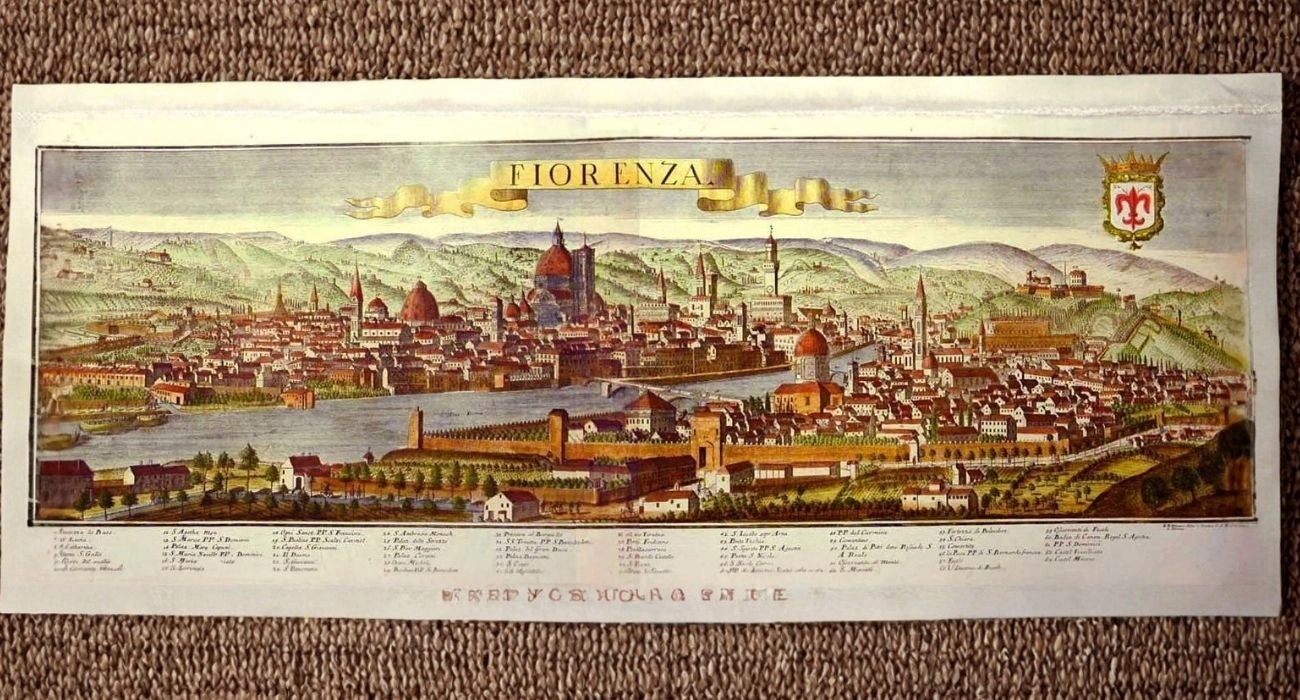
A Continuous Story of Art Shaped by Human Lives
Vasari's greatest innovation was not simply documenting famous artists. It was creating a continuous story where individual lives became connected chapters in the larger development of European art.
His narrative presented artistic history as an evolving journey, moving from early experimentation toward what he considered the highest achievements of the Renaissance. Through this structure, artists became more than craftsmen—they became historical figures whose ideas and personalities influenced the direction of culture.
Although modern scholars recognize that Vasari's interpretation reflected the values and perspectives of his own time, his method created a lasting model for how societies record human achievement.
The idea that history can be understood through individual journeys continues to influence modern biographies, leadership profiles, and encyclopedic publications around the world.
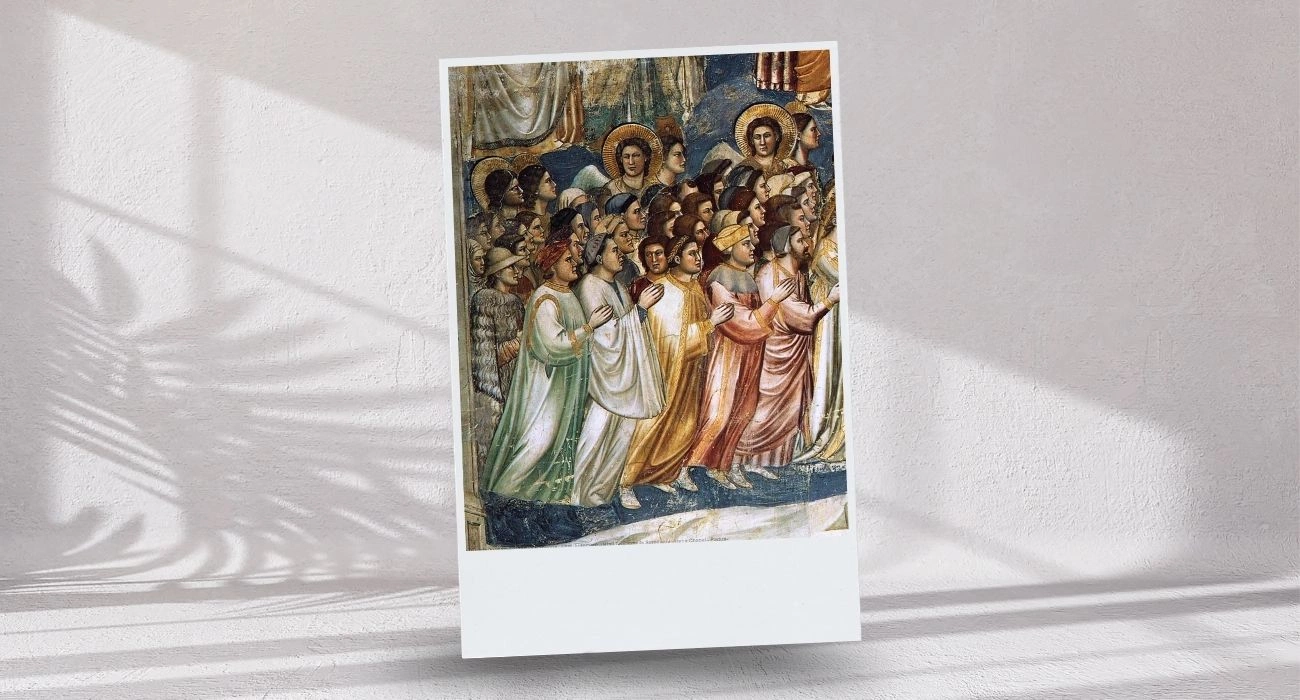
From Cimabue and Giotto: The Beginning of Artistic Transformation
Within Vasari's narrative, the story of Renaissance art begins with figures who represented a departure from earlier artistic traditions. Among them, Cimabue and Giotto were presented as pioneers who helped introduce greater observation, emotion, and naturalism into European painting.
For Vasari, these artists were not simply painters creating individual works. They represented turning points in history—figures who changed how artists approached human expression, space, and visual storytelling.
Giotto in particular became a symbol of artistic renewal. His ability to create more lifelike figures and emotional depth represented, in Vasari's interpretation, an important movement away from the perceived limitations of medieval artistic conventions.
By focusing on these individuals, Vasari established a recurring theme throughout The Lives: progress happens through people who challenge existing boundaries and introduce new ways of seeing the world.
The Renaissance Generation That Redefined Creativity
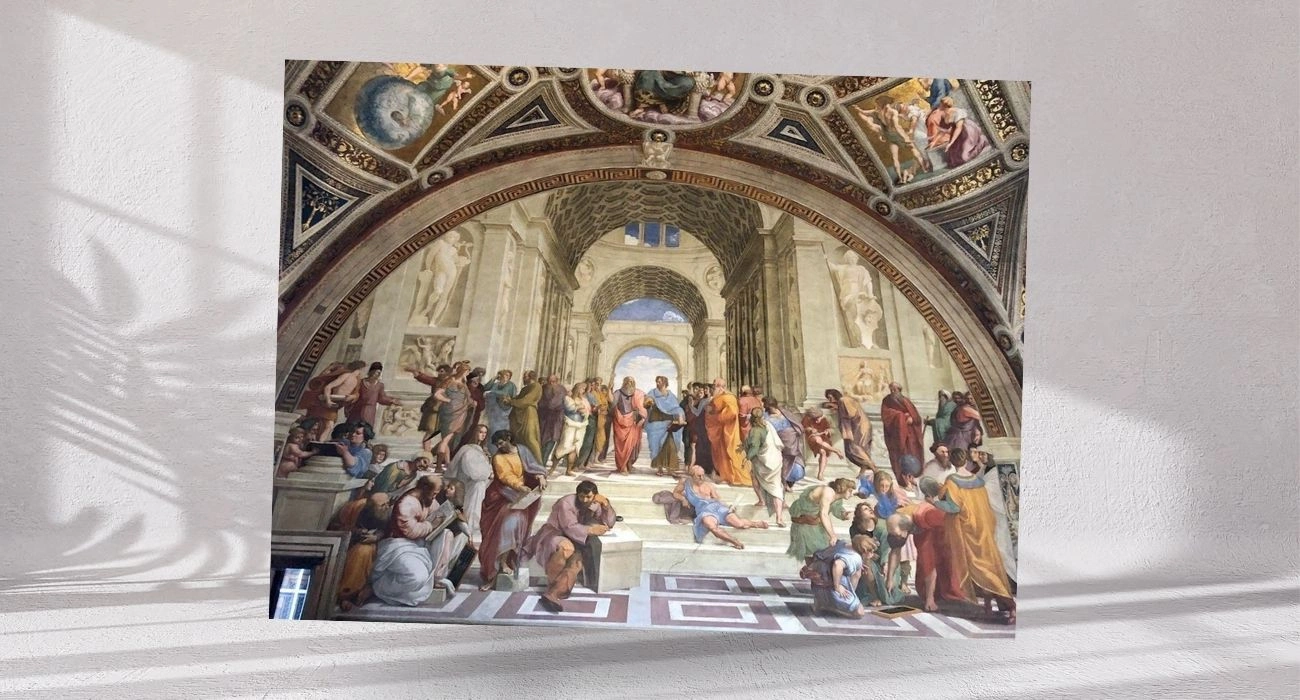
Following the foundations established by earlier masters, Vasari's narrative expanded into the Renaissance period, where artists and innovators began exploring new relationships between science, human anatomy, architecture, and artistic expression.
Figures such as Donatello and Filippo Brunelleschi represented this new intellectual confidence. Donatello transformed sculpture through his exploration of human emotion and physical realism, while Brunelleschi revolutionized architecture through his understanding of perspective, proportion, and structural harmony.
For Vasari, these creators demonstrated that artistic achievement was not limited to technical skill alone. Their success came from curiosity, experimentation, and the ability to combine creativity with deeper knowledge of the world around them.
By including their personal stories, challenges, and creative processes, Vasari presented art as a living human journey rather than a collection of finished objects displayed in isolation.
Leonardo, Michelangelo, and Raphael: The Peak of Renaissance Achievement
The central figures of Vasari's narrative are three names that continue to represent the height of Renaissance creativity: Leonardo da Vinci, Michelangelo, and Raphael.
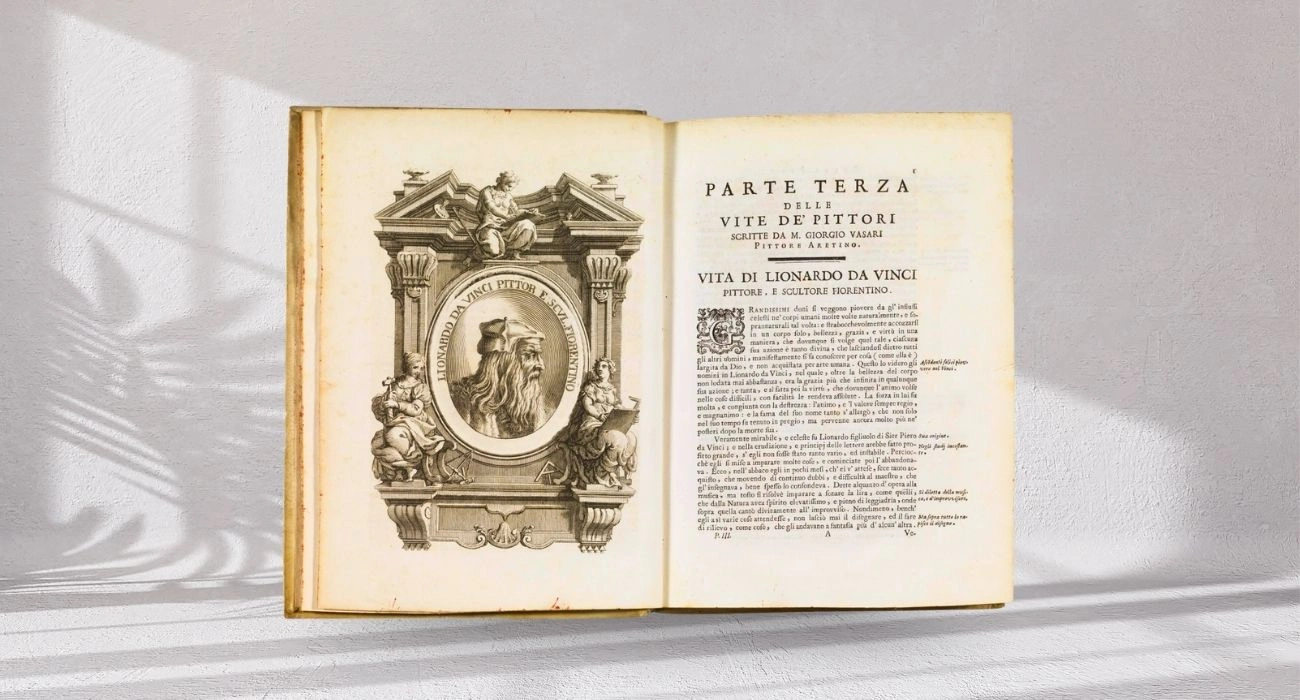
Leonardo was portrayed as the embodiment of limitless curiosity—a creator whose interests extended beyond painting into science, engineering, anatomy, and observation of the natural world. His work represented the Renaissance ideal of the artist as both creator and thinker.
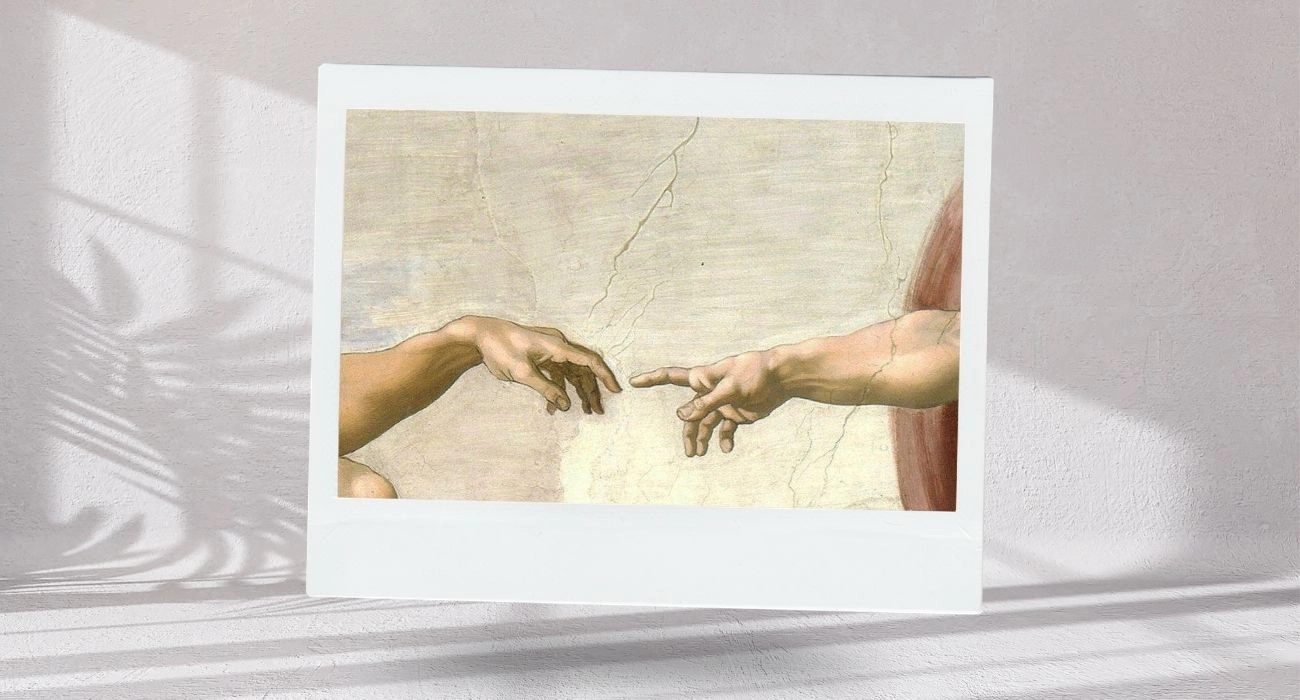
Michelangelo, in contrast, was presented as a figure of extraordinary intensity and creative power. Vasari described him as an artist whose imagination seemed capable of overcoming the limitations of physical materials, transforming stone, paint, and architecture into expressions of human emotion and spiritual ambition.
Raphael represented another form of excellence: balance, harmony, and clarity. Through his compositions, Vasari saw an ideal combination of beauty, proportion, and emotional refinement.
Together, these three figures became symbols of artistic achievement and strongly influenced how later generations understood the Renaissance. Through Vasari's biographies, they were remembered not only for what they created but also for the personalities, philosophies, and human stories behind their masterpieces.
Beyond the Great Masters: Preserving an Entire Cultural Ecosystem
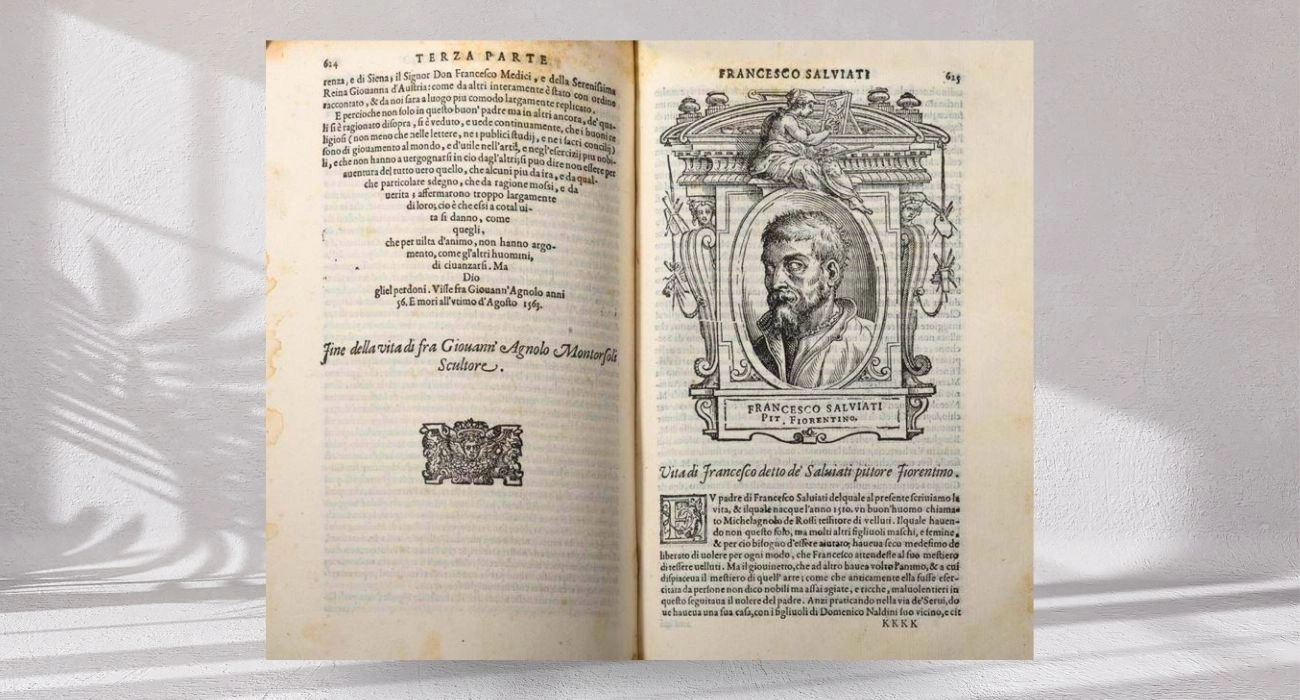
Although Vasari is best remembered for his portraits of figures such as Leonardo, Michelangelo, and Raphael, the true significance of The Lives extends beyond these celebrated names. The work also included numerous lesser-known artists whose contributions might otherwise have disappeared from historical memory.
By documenting painters, sculptors, and architects across different generations, Vasari created a broader cultural ecosystem rather than a simple list of exceptional individuals. His work demonstrated that history is shaped not only by the most famous figures but also by the many people who contribute to the development of ideas, movements, and traditions.
This approach remains one of the most valuable aspects of biographical encyclopedias today. By preserving diverse voices and experiences, these collections ensure that human progress is remembered as a shared achievement rather than the work of only a few recognized names.
Writing History Through Biography: Vasari's Revolutionary Method
Vasari's approach to historical writing was shaped by his unique position as both an artist and a participant in the cultural world he documented. Unlike modern historians who often aim for complete distance from their subjects, Vasari wrote from within the artistic networks of Renaissance Florence.
His sources included personal observations, conversations with artists, traditional accounts, and earlier written materials. This combination gave The Lives a vivid and personal quality, allowing readers to encounter artists not only through their creations but also through their personalities, ambitions, and challenges.
However, Vasari's close connection to the artistic world also introduced limitations. His judgments were influenced by his own preferences, particularly his admiration for Florentine artists and his belief in a clear progression toward Renaissance perfection.
Modern scholars recognize that some of Vasari's stories include exaggeration, selective interpretation, or elements of legend. Yet these limitations do not diminish the importance of his achievement. Instead, they reveal how every historical record reflects the perspective of the person who creates it.
From Renaissance Biography to Modern Knowledge Preservation
The influence of The Lives of the Most Excellent Painters, Sculptors, and Architects extended far beyond Renaissance art. Vasari introduced a powerful intellectual idea: that the history of human achievement could be understood through individual journeys.
This concept became the foundation for later biographical dictionaries, encyclopedias, and collections documenting influential figures across different fields, from science and politics to business, culture, and social leadership.
The evolution of biographical encyclopedias reflects a continuing human desire to preserve experience. Behind every achievement is a person with a story—a journey shaped by challenges, decisions, values, and contributions.
In this sense, Vasari's legacy is not only about art history. It is about recognizing that individuals are essential pieces of the larger story of civilization.
Why Biographical Encyclopedias Still Matter Today
In the digital age, information has become more accessible than ever. Yet the challenge is no longer simply collecting knowledge—it is understanding which stories deserve to be preserved and why they matter.
Biographical encyclopedias continue to serve an important purpose by organizing human achievements into meaningful narratives. They provide context, connecting individual accomplishments with broader cultural, social, and historical developments.
Unlike simple databases of names and achievements, strong biographical collections reveal the human journey behind success. They explore motivations, values, challenges, and the lasting impact individuals create within their communities.
This tradition, which began with Vasari's groundbreaking approach, continues today through institutions and publications dedicated to documenting people whose ideas and actions contribute to society.
— Thomas CarlyleHistory can be understood not only through events, but through the lives of those who shaped them.
- 1550: First publication year of Giorgio Vasari's The Lives of the Most Excellent Painters, Sculptors, and Architects.
- 2 expanded editions were published, with the major revised version appearing in 1568.
- 100+ Artists: Vasari documented a wide range of Renaissance artists, preserving stories beyond only the most famous names.
Contribution to Society
The tradition of biographical encyclopedias has helped societies preserve knowledge, celebrate achievement, and understand cultural progress through human experiences. By documenting the lives of influential individuals, these works protect collective memory while inspiring future generations to learn from creativity, resilience, and innovation. From Vasari's Renaissance writings to modern knowledge platforms, biography continues to serve as a bridge connecting past achievements with future possibilities.
The Enduring Power of Human Stories
From Giorgio Vasari's Renaissance masterpiece to today's biographical encyclopedias, the way societies record human achievement has always reflected a deeper desire to understand progress through people. Every invention, artistic movement, cultural transformation, or social contribution begins with individuals whose ideas and actions shape the world around them. Vasari's greatest legacy was not only preserving the names of Renaissance artists but introducing a powerful principle: that human lives themselves are historical documents. Centuries later, this idea remains more relevant than ever, reminding us that behind every achievement is a story worth remembering, preserving, and sharing with future generations.
Categories
Image sources