From Waste to Resource: Why Circular Supply Chains Are Becoming a Business Strategy
Written by Admin • 2026-09-14 01:23:00
Topics
As industries evolve, circular supply chains are transforming waste into valuable resources through innovative recycling and manufacturing processes. Companies across sectors are adapting to regulations and consumer expectations, establishing systems that enhance sustainability and resource management.
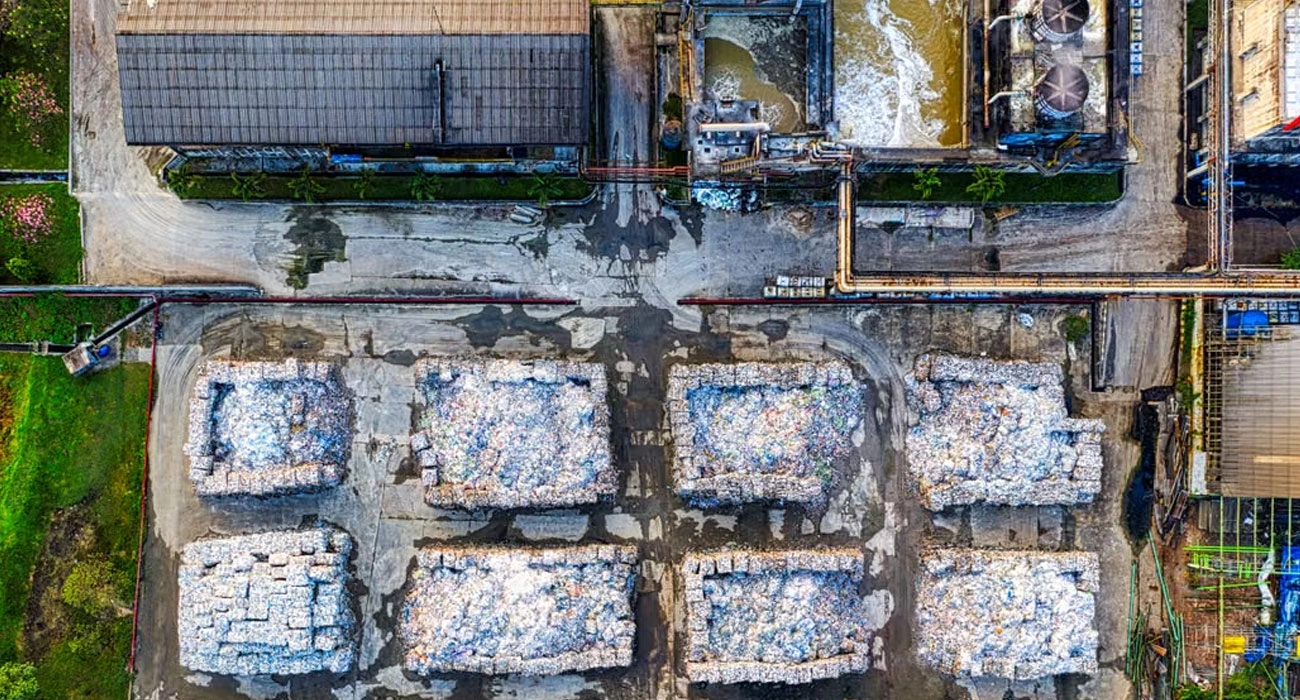
From Waste to Resource: Why Circular Supply Chains Are Becoming a Business Strategy
Exploring the shift from linear to circular economies in global industries.
The Supply Chain Is Being Rewritten
The traditional supply chain follows a simple pattern: extract, manufacture, sell, and eventually discard. However, the circular economy proposes a radically different approach. Materials are designed to remain useful for as long as possible, moving through multiple production cycles instead of ending their journey as waste. In 2026, this transformative idea is increasingly being adopted as a core business strategy. Companies across various sectors, including manufacturing, construction, packaging, and mobility, are developing systems that recover valuable materials and return them to production, effectively transforming waste management into a sophisticated form of industrial infrastructure.
This shift not only addresses environmental concerns but also aligns with growing consumer expectations for sustainability. Businesses that adopt circular supply chains can enhance their market competitiveness and brand value by showcasing their commitment to resource efficiency and environmental stewardship. As the world grapples with resource scarcity and climate change, the transition to a circular economy is becoming a strategic imperative for companies aiming to thrive in the future.
Japan's Circular Economy Laboratory
Japan is at the forefront of the circular economy movement, launching a series of innovative closed-loop projects that involve various materials like batteries, plastics, aluminium, and construction materials. Recently, initiatives have included closed-loop recycling for domestic carpets, aluminium for electric vehicle batteries, and recycled lithium-ion materials. Additionally, the country has designated 29 ports as 'Circular Economy Ports,' aimed at facilitating the collection, processing, and distribution of recyclable materials.
These efforts reflect Japan's commitment to integrating circularity into its industrial framework, demonstrating how waste can be transformed into valuable resources. The initiatives not only support local economies but also contribute to global sustainability goals by reducing dependence on virgin materials and minimizing waste. As these projects gain momentum, they serve as a model for other nations looking to adopt similar strategies.
Waste Becomes an Industrial Input
The concept of circular supply chains involves rethinking how materials are viewed in the production process. Instead of being seen as waste, recovered materials can be repurposed as valuable production resources. This paradigm shift allows companies to minimize costs associated with raw material procurement and waste disposal while maximizing resource efficiency. By establishing robust systems for material recovery, businesses can create a continuous loop of resource circulation, thereby enhancing their sustainability credentials.
Moreover, circular supply chains can lead to innovations in product design and manufacturing processes. As companies increasingly prioritize resource efficiency, they are encouraged to develop products that are easier to repair, refurbish, or recycle. This holistic approach not only supports environmental goals but also fosters economic growth by creating new markets around repair, refurbishment, and recycling services.
Regulation Is Accelerating the Shift
The regulatory landscape is also evolving to accelerate the transition to circular supply chains. As governments worldwide implement stricter environmental regulations, companies are under increasing pressure to provide detailed carbon accounting and supplier-level emissions data. The UK's Carbon Border Adjustment Mechanism, set to take effect in January 2027, exemplifies this trend by emphasizing the need for transparency in supply chains and encouraging businesses to adapt to emerging sustainability standards.
These regulatory frameworks are not just compliance measures; they are catalysts for innovation and change within industries. By prioritizing sustainability, companies can gain a competitive edge in the marketplace, appealing to environmentally conscious consumers and investors. As firms adapt to these new requirements, they will likely discover new opportunities for collaboration and innovation within their supply chains.
The next supply chain may be designed to keep materials moving rather than moving them toward disposal.— Editorial synthesis
Facts & Insights
- Japan has designated 29 ports as Circular Economy Ports in its first national selection.
- Recent Japanese initiatives include closed-loop systems for aluminium, lithium-ion batteries, construction plastics, waste glass and PET.
- The UK's Carbon Border Adjustment Mechanism is scheduled to take effect in January 2027, increasing attention on embodied carbon and supplier-level emissions data.
29
Circular Economy Ports
2027
UK CBAM start
100%
Closed-loop target in selected applications
5+
Major material streams being redesigned
Circularity as Competitive Advantage
Adopting circular supply chains can provide businesses with a significant competitive advantage. By improving resource security and resilience, companies can mitigate risks associated with supply chain disruptions, such as material shortages or price volatility. Furthermore, embracing circularity can enhance brand value and customer loyalty, as consumers increasingly favor businesses that prioritize sustainability and environmental responsibility.
As organizations rethink their approach to resource management, they are likely to discover that circular systems not only benefit the environment but also contribute to their bottom line. By investing in circularity, businesses can create new revenue streams, reduce operational costs, and foster innovation, ultimately positioning themselves as leaders in their respective industries.
The End of the Linear Economy
Circularity is becoming increasingly important as it connects environmental responsibility with practical business concerns, specifically access to resources. Materials that can be recovered, reused, or remanufactured become assets rather than waste, while companies gain greater visibility over the resources embedded in their products. Although the transformation will not happen overnight, the infrastructure being built today—from circular ports and battery recovery systems to recycled construction materials—suggests that the traditional 'take, make, discard' model is gradually giving way to something more sophisticated.
The circular economy is therefore not simply about recycling more; it is about redesigning how value moves through the economy. This evolving narrative highlights the importance of enterprise innovation, where sustainability becomes integral to the foundation of tomorrow's businesses. By embracing circularity, companies not only contribute to a more sustainable future but also enhance their operational efficiency and market competitiveness.
Categories
Tagged in this story
Image sources
Pexels - Photo by Tom Fisk