Exploring the transformative journey of a pioneer in Korean contemporary art.
For more than sixty years, Ha Chong-Hyun has explored the boundaries of painting, asking a deceptively simple question: what can painting become when it is freed from convention? His artistic journey has led him to focus on the physical properties of materials (pressure, gravity, and texture) allowing these elements to dictate the outcome of his works. Unlike traditional painting, which often emphasizes the image over the medium, Ha’s approach invites viewers to experience the act of creation itself, where the canvas becomes an active participant in the artistic process.
In his hands, the canvas is not merely a surface for pigment but a living entity that interacts with the artist’s gestures. By using tools and techniques that manipulate the material, Ha creates a dialogue between the canvas and the viewer, challenging perceptions of what painting can be. This emphasis on materiality is a hallmark of his work, marking a significant shift in the landscape of contemporary art.
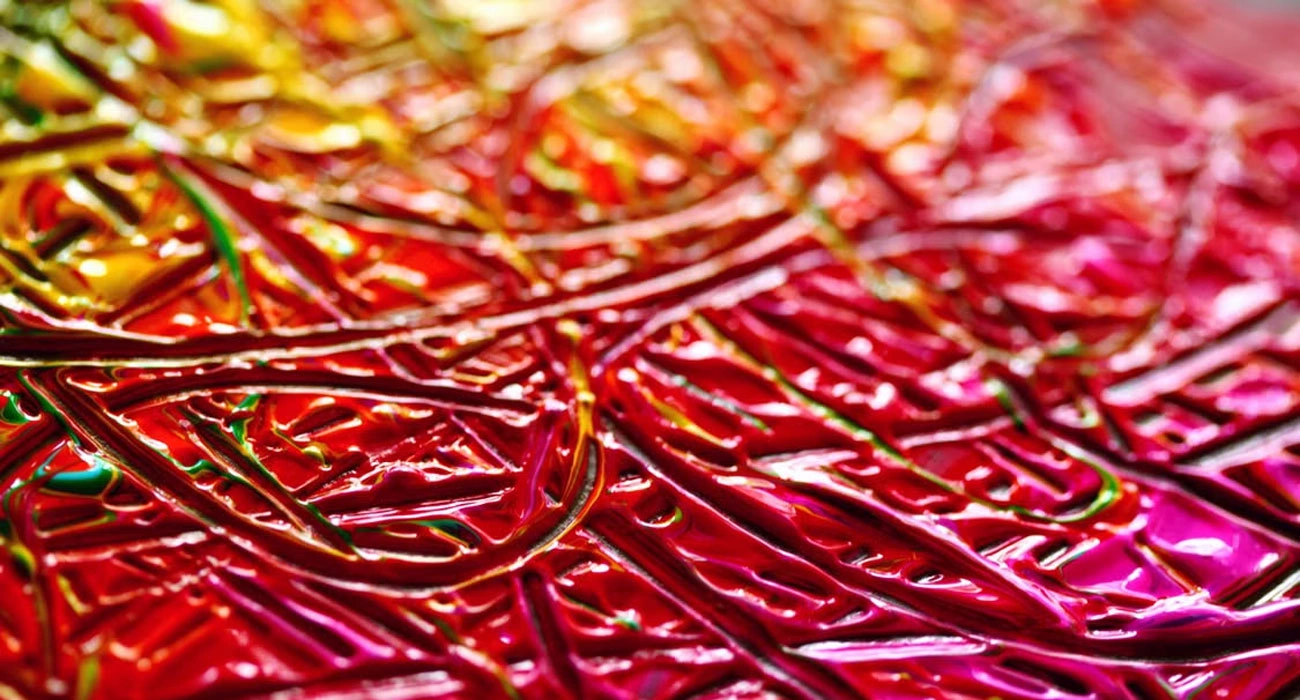
Ha Chong-Hyun’s unique approach to abstraction transcends visual aesthetics, focusing instead on the tactile and sensory experiences that his materials offer. His use of hemp cloth, for instance, introduces a rich texture that engages the viewer both visually and physically. This tactile quality is further enhanced through his innovative application of pigment, where colors often seem to emerge from the depth of the canvas rather than simply resting on the surface.
Through this process, Ha crafts a visual language that speaks to the viewer’s senses, encouraging a deeper exploration of the painting's essence. His works do not merely represent; they embody the physical act of creation, inviting viewers to reflect on the interplay between artist, material, and the act of making itself.
Emerging in the postwar era, Ha Chong-Hyun's generation of artists played a pivotal role in shaping Korean contemporary art. They sought to redefine the boundaries of artistic expression, moving away from traditional techniques and embracing new forms of abstraction. This shift was not merely a stylistic change; it reflected a broader cultural transformation in Korea as the country navigated its identity amidst rapid modernization and global influences.
Ha's work stands as a testament to this evolution, embodying the spirit of experimentation that characterized his contemporaries. His legacy is intertwined with the historical context of Korea’s artistic movements, demonstrating how local material culture and historical experiences can inform and enrich the language of abstraction.
The forthcoming retrospective at the Asian Art Museum will showcase over 50 of Ha’s paintings, including two new works created in 2025. This exhibition not only highlights his artistic evolution over six decades but also serves as a celebration of his contributions to the global understanding of contemporary art. Each piece reflects his continuous exploration of material, revealing the intricate relationship between the artist and their medium.
Ha’s dedication to experimentation is evident in the diverse techniques he employs, often blurring the lines between painting and sculpture. By engaging with the physical properties of his materials, he invites viewers to reconsider their perceptions of art and its relationship with the tangible world.
“
”
A sensory journey through sixty years of innovative abstraction.
— Asian Art Museum description of the retrospective.
Facts & Insights
- Ha Chong-Hyun was born in 1935 and has developed his artistic practice over more than six decades.
- His 2026 Asian Art Museum retrospective is his first major North American museum exhibition.
- The exhibition includes more than 50 paintings, including two new works completed in 2025.
60+
Yrs Artistic Practice
50+
Paintings
2
New 2025 Works
1935
Birth Year
Ha Chong-Hyun's legacy lies in the unusual relationship he has created between idea and material. His paintings do not ask viewers merely to look at color or composition; they invite attention to pressure, texture, resistance, and the physical act of making. That approach has allowed his work to remain remarkably relevant across generations, even as contemporary art has moved through radically different technologies and aesthetics. His 2026 exhibitions provide an opportunity to reconsider not only one artist's career but the continuing power of craftsmanship and material intelligence in an increasingly digital cultural landscape.