
Hiroshi Ishiguro: The Scientist Exploring What Makes Us Human
Written by Admin • 2026-09-01 01:27:00
Hiroshi Ishiguro's robots do more than imitate people. They challenge us to ask what makes a person recognizably human in the first place.
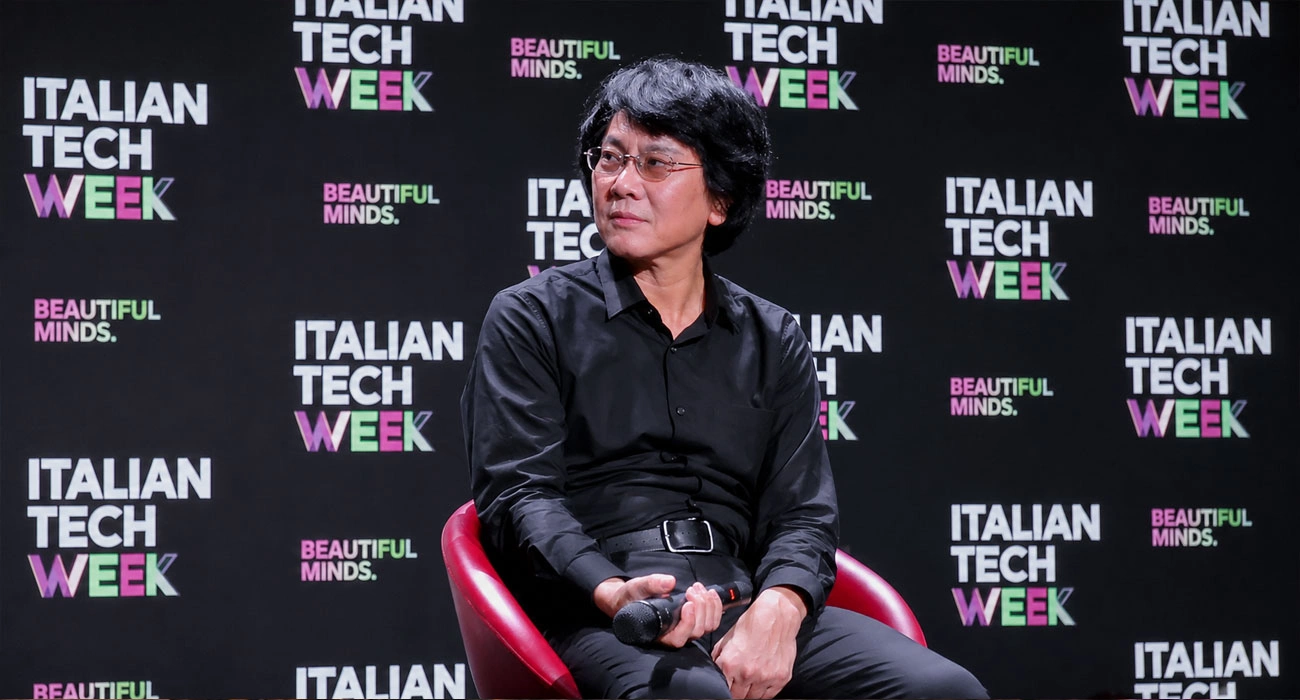
Hiroshi Ishiguro: The Scientist Exploring What Makes Us Human
What happens when a machine begins to look, move and communicate like a person? For roboticist Hiroshi Ishiguro, the question is not simply how close technology can come to imitating humans. It is what the process reveals about humanity itself.
Building Machines That Look Back at Us
Hiroshi Ishiguro's research transcends conventional robotics by focusing on creating androids that not only mimic human appearance but also engage in meaningful interactions. His work at Osaka University's Intelligent Robotics Laboratory has led to the development of highly human-like robots, known as Geminoids. These robots serve as an experimental platform to understand how humans perceive and respond to machines that closely resemble themselves. By examining the nuances of human-robot interaction, Ishiguro promotes a deeper understanding of the social dynamics between humans and robots, revealing the emotional and cognitive processes involved in these exchanges.
Ishiguro's approach redefines robotics research as a multidisciplinary field that encompasses engineering, psychology, and philosophy. Rather than viewing robots as mere tools, he encourages us to see them as entities that can reflect our own characteristics and societal norms. This shift in perspective allows for a richer exploration of what it means to be human, as we engage with machines that challenge our assumptions about identity and consciousness.
Why Human-Like Robots Matter
The significance of human-like robots extends beyond mere technological advancement; it lies in their potential to reshape social interactions. Ishiguro’s androids are designed to elicit emotional responses that mirror those experienced in human relationships. As people interact with these robots, they may develop feelings of attachment and empathy, prompting a reevaluation of the boundaries of companionship. This phenomenon leads to intriguing questions about the nature of relationships and the characteristics that define them.
Furthermore, the implications of Ishiguro's work are profound in various domains, including education, healthcare, and elderly care. For example, robots that can provide companionship and support for the elderly could enhance their quality of life, while educational robots could engage students in a more interactive and personalized manner. By examining these applications, Ishiguro's research pushes us to consider how societal norms around communication and care might evolve in a world where robots become integral participants.
The Ethical Questions Behind the Face
As Ishiguro's androids become more human-like, ethical questions arise regarding identity, emotional attachment, and the boundaries of imitation. How do we define what is truly human when machines can replicate our behaviors and expressions? This inquiry challenges traditional notions of personhood and raises concerns about the emotional consequences of forming attachments to robots. Ishiguro emphasizes the importance of navigating these ethical dilemmas carefully, as society grapples with the implications of technology that blurs the lines between human and machine.
Moreover, Ishiguro's experiments highlight the potential for misunderstanding and miscommunication in human-robot interactions. While these robots can simulate emotional responses, the authenticity of their interactions remains in question. This dynamic raises critical discussions about our responsibilities in designing robots that align with human values and ethics, ensuring they contribute positively to society rather than complicating our social fabric.
By creating machines that resemble and interact with humans, we explore not just technology, but the very essence of our humanity.— Hiroshi Ishiguro
Facts & Insights
- Hiroshi Ishiguro is internationally recognised for research into humanoid robots and human-robot interaction.
- His laboratory has developed android systems designed to reproduce aspects of human appearance and behaviour.
- His research explores robotics not only as engineering, but also as a way to investigate communication and human identity.
20+
Years of Android Research
1
Intelligent Robotics Laboratory
2
Human + Machine Perspectives
∞
Questions About Identity
The Machine That Makes Us Look at Ourselves
Hiroshi Ishiguro's work demonstrates that some of the most important questions in technology are not technological at all. By creating machines that resemble and interact with humans, he has turned robotics into an exploration of identity, perception, and communication. As artificial intelligence and robotics become increasingly embedded in everyday life, his work offers a valuable reminder that understanding technology may also require us to understand ourselves more deeply. It is precisely this intersection of innovation, human curiosity, and long-term impact that makes Ishiguro's story a compelling contribution to the global record documented by BritishPEDIA.
Categories
Tagged in this story
Image sources
VectorVoyager, CC BY-SA 4.0 <https://creativecommons.org/licenses/by-sa/4.0>, via Wikimedia Commons