
How European Family Businesses Are Preserving Traditional Craftsmanship for the Next Generation
Written by Admin • 2026-08-12 01:24:00
Topics
European family businesses are vital in preserving traditional craftsmanship while adapting to modern demands. These enterprises play a crucial role in maintaining cultural heritage, providing opportunities for the younger generation, and demonstrating that tradition can coexist with innovation.
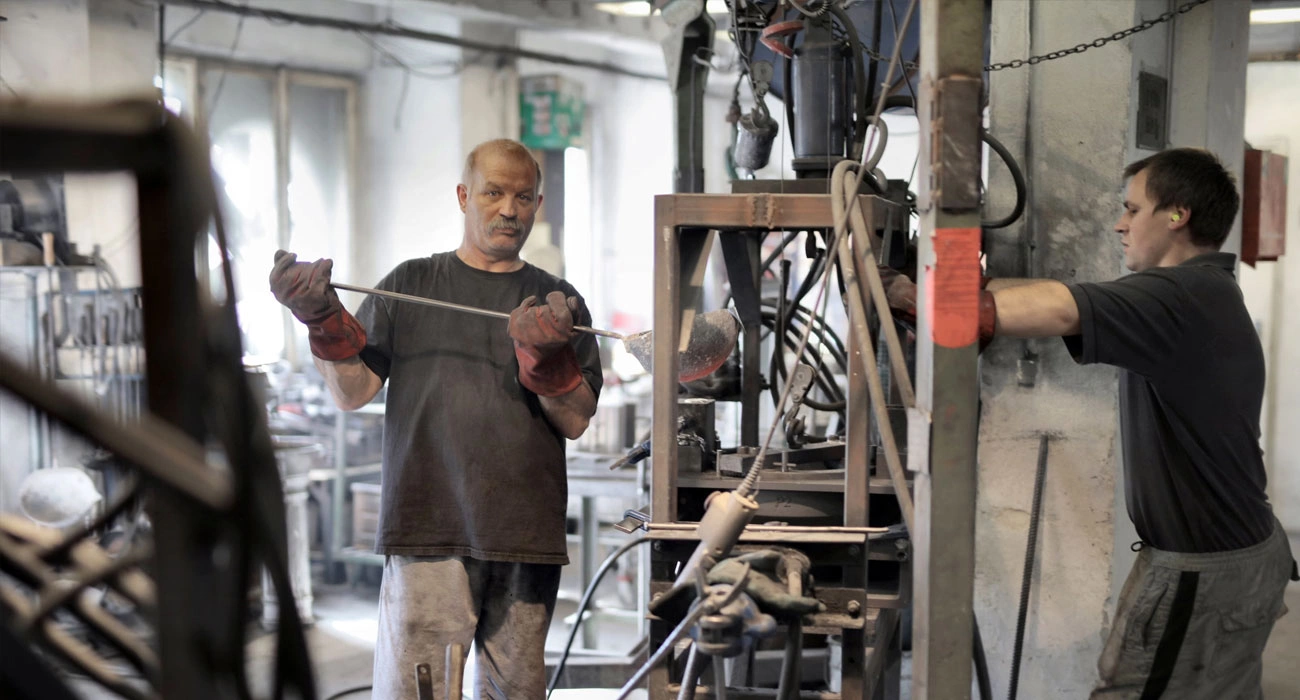
How European Family Businesses Are Preserving Traditional Craftsmanship for the Next Generation
Exploring the Legacy of Artisan Businesses in Europe
The Essence of Family Business Legacy
Some of Europe's most remarkable businesses began with a skill rather than a business plan. European family businesses have historically played an important role in preserving specialized craftsmanship and regional production traditions. They have transformed unique techniques into thriving enterprises, showcasing the resilience and adaptability of family-run businesses. This journey often extends across multiple generations, where each family member contributes to the evolution of their craft while maintaining its core values.
Across generations, families have preserved techniques in areas such as ceramics, glassmaking, textiles, furniture, instruments, and metalwork. These businesses are not just about profit; they symbolize a commitment to community, identity, and heritage. The narrative of these family businesses reveals an important lesson about entrepreneurship: preserving tradition does not necessarily mean resisting change. In fact, survival often hinges on the ability to adapt old crafts to meet contemporary demands.
A craft survives when knowledge is passed on, but a legacy survives when that knowledge continues to evolve.— Anonymous
The Challenge of Traditional Craftsmanship
Traditional craftsmanship faces significant pressure from mass production, changing consumer behavior, and skills shortages. However, this landscape also presents opportunities for heritage businesses to thrive. The increasing demand for authenticity, durability, and traceable production aligns perfectly with the values of artisan businesses. Many heritage enterprises combine traditional techniques with contemporary design, technology, and international distribution, allowing them to connect with modern consumers while preserving their unique crafts.
Generational succession is vital for these businesses, enabling specialized knowledge to remain within communities. It creates opportunities for modern entrepreneurship while ensuring that traditional crafts are passed down. As the younger generation learns these skills, they infuse fresh ideas that can enhance the relevance of their family businesses in the global market.
Facts & Insights
- European family businesses have historically played an important role in preserving specialized craftsmanship and regional production traditions.
- Many heritage businesses combine traditional techniques with contemporary design, technology, and international distribution.
- Generational succession allows specialized knowledge to remain within communities while creating opportunities for modern entrepreneurship.
The Impact on Society and Future Generations
Traditional family businesses contribute to more than commercial activity. They preserve intangible cultural knowledge, support skilled employment, maintain regional identities, and create opportunities for younger generations to learn specialized crafts.
Their survival demonstrates that cultural heritage can become economically sustainable when businesses find ways to connect tradition with contemporary needs. The stories of these businesses reflect a commitment to community and a vision for the future.
3+
Generations
100+
Years of Craft Heritage
1
Family Business
Global
Market Reach
Conclusion
The survival of traditional craftsmanship depends on more than preserving old techniques. It relies on people willing to learn them, businesses capable of adapting them, and families determined to carry their meaning into the future. These are the human stories that highlight the intersection of entrepreneurship, cultural heritage, resilience, and legacy. By documenting these narratives, we can inspire future generations to appreciate and continue the tradition of craftsmanship.
Categories
Image sources
Pexels - Photo by Andrea Piacquadio