
How Women's Sports Are Building a Global Business Industry
Written by Admin • 2026-11-19 01:37:00
Topics
Women's elite sports are entering a new commercial era, with global revenues projected to reach at least US$3 billion in 2026. As investment in professional competitions and sponsorship grows, this article explores the transformative forces shaping the women's sports business landscape.
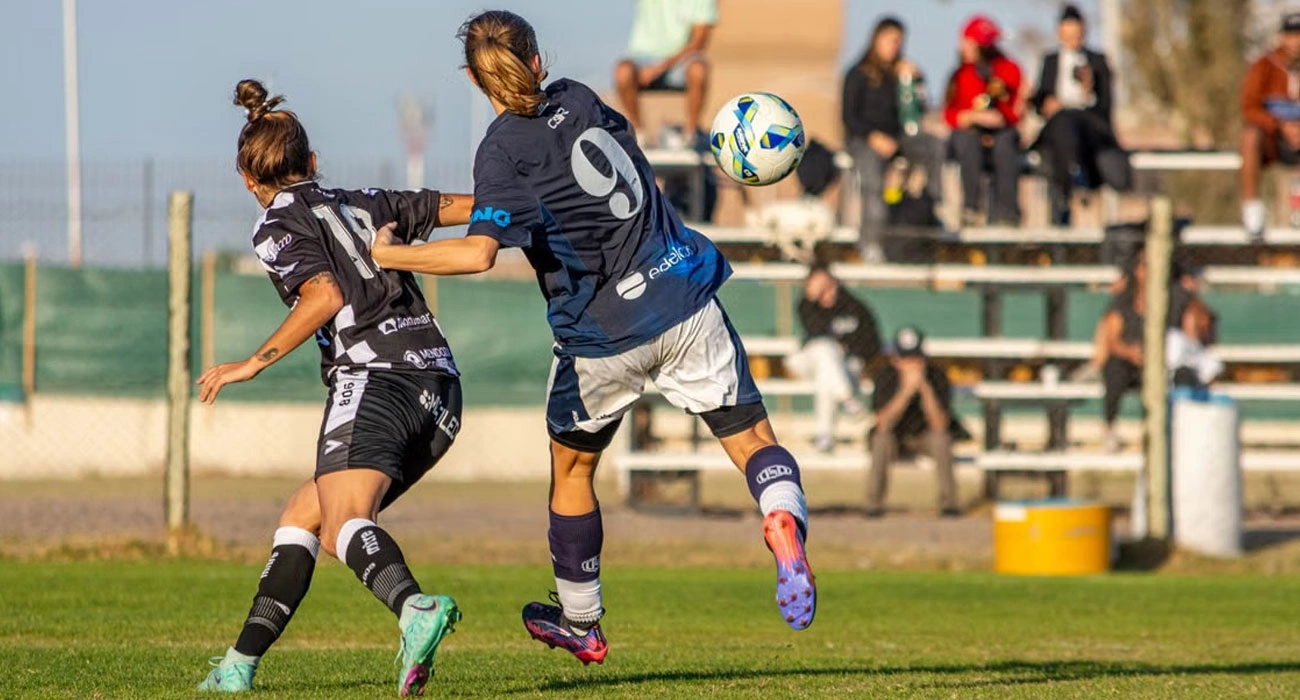
Women's Sports Business Growth: A Global Industry Transformation
Women's elite sports are entering a new commercial era, with global revenues projected to reach at least US$3 billion in 2026.
A New Commercial Era for Women's Sports
According to Deloitte's 2026 sports industry outlook, global revenues in women's elite sports are expected to reach at least US$3 billion in 2026. This marks a substantial increase compared to the US$2.4 billion generated in 2025, indicating a rising commercial interest in women's competitions alongside the establishment of more professional sporting environments.
Beyond revenue projections, the expansion of women's sports is also changing how brands approach sponsorship and audience engagement. Companies are increasingly recognising the value of connecting with women's competitions through partnerships, athlete collaborations and community-focused campaigns. These relationships can create commercial opportunities while helping sports organisations build stronger connections with their audiences.
The growing visibility of women's competitions also creates opportunities for new investors, broadcasters and media platforms. As coverage becomes more accessible, sports organisations have greater potential to develop loyal audiences and establish commercial partnerships that extend beyond individual tournaments.
The Three Main Sources of Growth
Broadcasting plays a crucial role in generating income, allowing competitions to reach audiences beyond stadiums and local markets. Together, these revenue streams create a broader commercial structure that can support professional teams, leagues, and sporting organizations, fostering a sustainable environment for growth.
Athlete development is another important part of this commercial transformation. Sustainable growth requires investment in coaching, training facilities, medical support and professional pathways that allow female athletes to develop their careers. Without these foundations, increased commercial attention may not translate into lasting improvements across the wider sporting system.
Grassroots programmes also play an important role. Encouraging girls to participate in sports creates a broader talent pipeline, strengthens local communities and helps develop future audiences. Connecting grassroots participation with professional opportunities can therefore support both sporting performance and long-term industry growth.
The growth of women's sports is not only a commercial opportunity. It is an opportunity to build stronger sporting institutions and wider pathways for future athletes.— Inspiring Circle Editorial Team
- Global revenues in women's elite sports are projected to reach at least US$3 billion in 2026, according to Deloitte.
- Deloitte estimates that global revenues reached approximately US$2.4 billion in 2025.
- Commercial revenue is expected to account for approximately 45% of total women's elite sports revenue in 2026.
- Matchday revenue is projected to reach US$911 million in 2026.
Turning Commercial Momentum into Sustainable Development
For sponsors and broadcasters, long-term engagement can help build audiences and strengthen the commercial foundations of women's sports. The next stage of development will depend on whether the industry can turn growing interest into sustainable opportunities for athletes and organizations across different markets.
Another priority is ensuring that commercial growth creates value throughout the sporting ecosystem. Revenue generated at the elite level can support youth academies, community programmes, better facilities and more inclusive participation opportunities. Strong governance, transparent investment strategies and long-term partnerships are equally important in maintaining confidence among sponsors, athletes and supporters.
Ultimately, the strength of women's sports will depend not only on how much money the industry generates, but also on how effectively that growth improves opportunities for athletes and organisations at every level.
Categories
Tagged in this story
Image sources