If AI Creates It, Who Owns It? The Battle Over Creativity Has Already Begun
Written by Admin • 2026-05-04 15:33:00
The rise of artificial intelligence is reshaping the landscape of creativity, prompting critical questions about ownership and intellectual property. As organizations and leaders navigate this complex terrain, the need for new frameworks to protect creators while fostering innovation becomes increasingly evident.
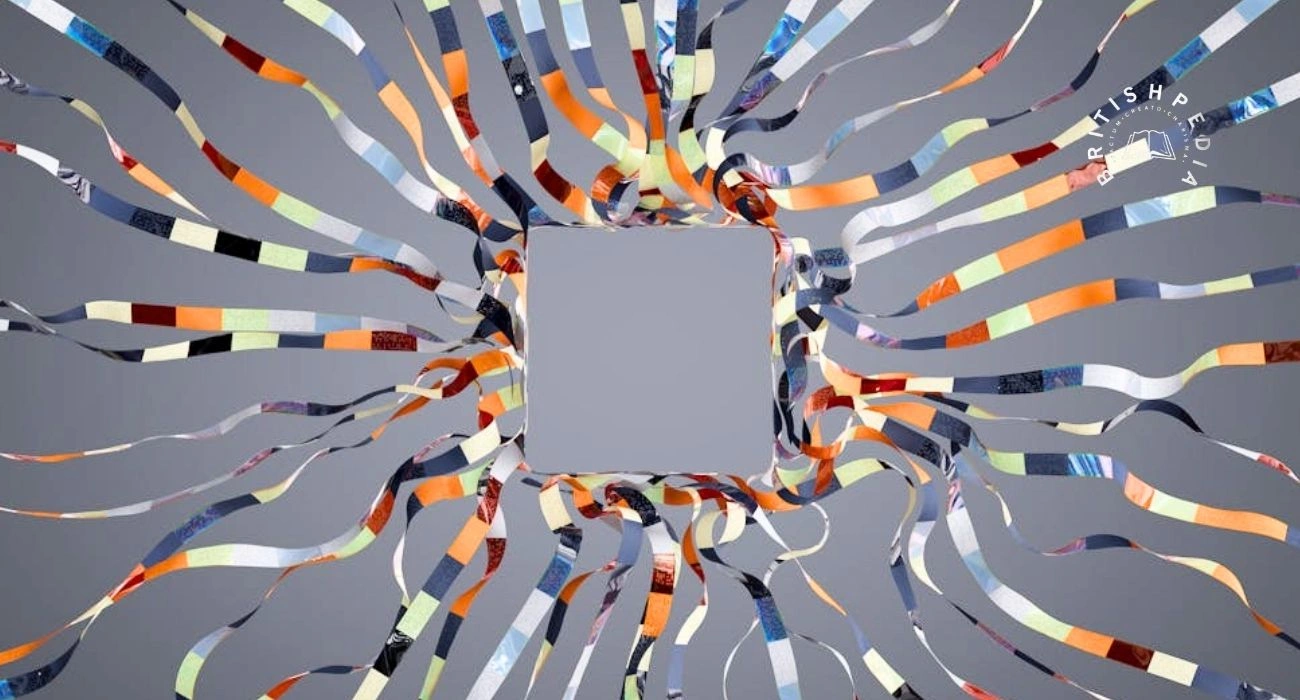
Who Owns Creativity in the Age of AI?
Exploring the challenges of intellectual property and creativity in a digital world.
The Evolving Landscape of Creativity
As artificial intelligence accelerates the pace of content creation, a fundamental question emerges: who truly owns creativity? In a landscape of global transformation stories, the boundaries of intellectual property are being challenged like never before. From AI-generated visuals to algorithm-driven music, the line between human authorship and machine output is becoming increasingly complex. This shift not only raises legal questions but also has profound implications for the future of creativity itself.
Organizations like the World Intellectual Property Organization and tech leaders such as OpenAI are actively exploring new frameworks to address these challenges. Recent coverage from The New York Times and Reuters highlights ongoing legal debates and policy developments, signaling a significant digital business transformation in how creative rights are defined and enforced. As these discussions evolve, it becomes crucial for stakeholders to understand the implications for both creators and the industry at large.
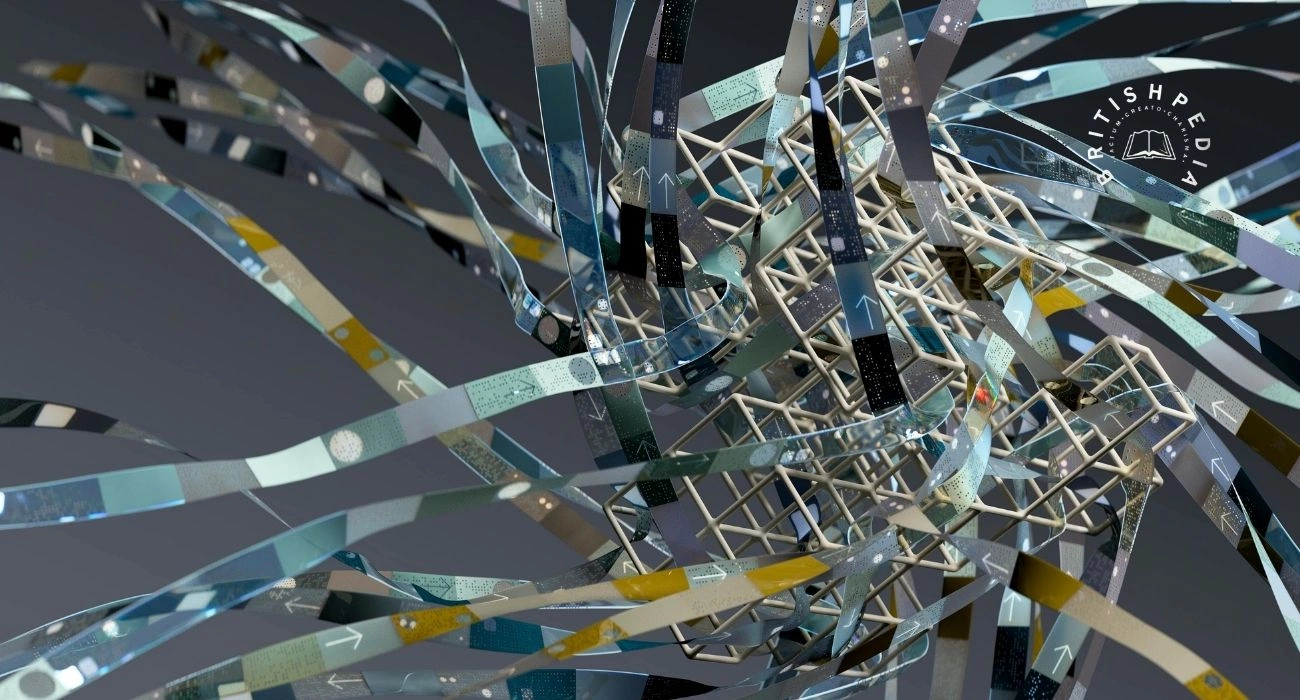
Implications for Intellectual Property
The implications of AI on intellectual property extend deeply into society. Intellectual property systems not only protect creators but also shape incentives for innovation and artistic expression. As AI continues to generate increasingly sophisticated outputs, traditional notions of authorship may no longer apply. This evolution challenges existing laws and calls for a re-evaluation of how creativity is defined and who is entitled to the benefits of AI-generated works.
Moreover, as industries evolve, the role of business innovation leaders becomes critical in balancing technological advancement with fair recognition. Ensuring that creativity continues to thrive in an increasingly automated world requires a collaborative approach that includes legal experts, technologists, and artists. By fostering an environment where innovation can flourish while respecting creators' rights, we can harness the full potential of both human and machine creativity.
Creativity is intelligence having fun.— Albert Einstein
Contributions to Society
Facts & Insights
- AI-generated content is raising new legal questions around ownership and authorship.
- Intellectual property frameworks are evolving to address digital and AI-driven creation.
- Creative industries are increasingly influenced by technology and automation.
70%
of organizations believe that AI will transform their creative processes
50%
of content creators are unsure of their rights regarding AI-generated works
Categories
Image sources
www.pexels.com