
Jelle Prins and the European Push to Reinvent AI Chip Design
Written by Admin • 2026-09-25 00:56:00
Jelle Prins and NADI are leading a €40 million initiative to revolutionize AI chip design in Europe, aiming for faster development cycles and improved energy efficiency. This program poses critical questions about the future of hardware in the AI landscape.
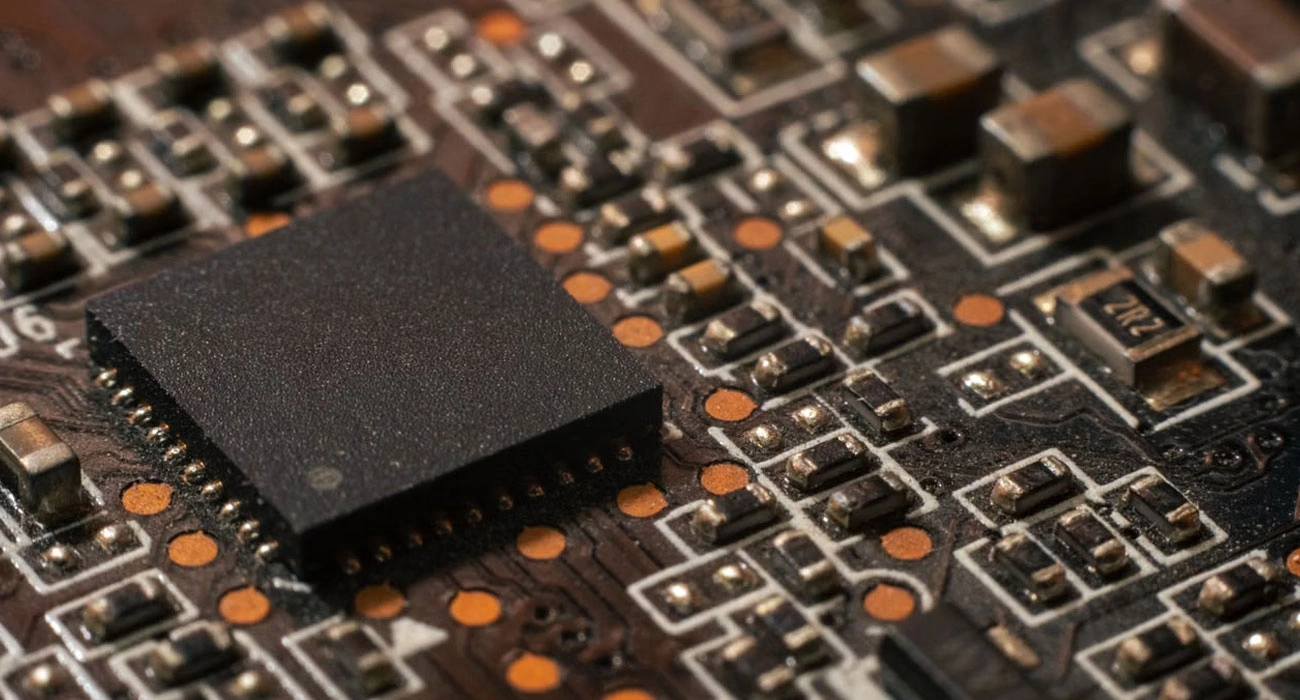
Jelle Prins and the European Push to Reinvent AI Chip Design
Exploring the intersection of artificial intelligence and semiconductor innovation.
Why AI Is Creating a New Chip Challenge
Artificial intelligence has largely been associated with software and applications, yet the hardware that supports these advancements is equally critical. As AI systems grow more complex, the demand for specialized chips that can handle their computational needs increases dramatically. This demand has prompted a shift in how chips are designed, moving from traditional engineering methods to approaches that leverage AI itself. The underlying challenge is not just to create faster chips but to fundamentally rethink the design process, making it more efficient and responsive to the needs of modern AI applications.
The urgency of this transformation is underscored by the growing energy consumption associated with AI technologies. As these systems require more processing power, the environmental impact of their energy demands becomes a pressing concern. This scenario sets the stage for initiatives like the €40 million AI-Native Chip Design Challenge, which aims to address these challenges head-on by harnessing AI to streamline chip development.
From Years of Design to AI-Assisted Development
The AI-Native Chip Design Challenge launched by NADI and Germany's SPRIND is a pioneering effort to redefine chip development timelines. Traditional chip design can take years of meticulous engineering, but this initiative seeks to compress those timelines significantly. By employing AI-driven methodologies, the program hopes to facilitate faster prototyping and testing, thereby accelerating the overall design process. The goal is to transition from lengthy cycles to a more dynamic, responsive approach that can keep pace with the rapid advancements in AI technology.
For Jelle Prins and the teams involved, this represents a unique opportunity to innovate. The challenge is not merely to create another chip but to reinvent the entire design paradigm. This mindset shift is crucial for fostering an environment where cutting-edge technologies can flourish, ultimately leading to breakthroughs that could reshape the semiconductor landscape in Europe.
Jelle Prins and the NADI Model
Jelle Prins is at the forefront of the NADI initiative, which aims to harness the power of AI in chip design. His vision encapsulates a broader European ambition to establish a robust semiconductor ecosystem that can compete globally. NADI's model emphasizes collaboration among various stakeholders, including researchers, industry leaders, and government entities, to create a unified approach to semiconductor innovation. By pooling resources and expertise, NADI aims to foster an environment conducive to rapid technological advancement.
Prins believes that the success of this initiative hinges on collective efforts rather than isolated advancements. As he notes, 'We cannot afford to innovate country by country.' This statement highlights the necessity for Europe to work in unison to build a sustainable semiconductor capability that addresses not only current demands but anticipates future challenges in the AI landscape.
We cannot afford to innovate country by country.— Jano Costard, Head of Challenges at SPRIND
The Energy Problem Behind AI
As AI technologies proliferate, their energy requirements have become a crucial consideration in chip design. The AI-Native Chip Design Challenge aims not only to enhance the speed of chip development but also to address the growing energy concerns associated with AI applications. By focusing on energy efficiency, the initiative seeks to minimize the environmental impact of computing infrastructure. This dual focus on performance and sustainability reflects a broader trend in technology development, where efficiency is increasingly prioritized alongside capability.
The implications of this focus on energy efficiency extend beyond AI companies. More efficient chips can positively influence various sectors, including data centers and cloud computing. As the demand for sophisticated digital services increases, the ability to deploy lower-energy computing solutions becomes critical for both economic and environmental sustainability.
Facts & Insights
- NADI and Germany's SPRIND launched a joint €40 million AI-Native Chip Design Challenge in September 2026.
- The programme is structured across two stages over 20 months, with seven teams initially selected and three expected to progress to the second stage.
- The programme aims to address both chip-design speed and energy efficiency for AI applications.
Can Europe Build a New Semiconductor Capability?
The European semiconductor landscape has historically faced challenges in competing with global leaders. However, initiatives like the AI-Native Chip Design Challenge represent a significant step towards building a sustainable semiconductor capability within Europe. By leveraging AI in the design process, Europe can potentially carve out a niche that emphasizes innovation and efficiency, allowing it to compete on the world stage.
While the journey ahead is fraught with challenges, the collaborative approach championed by Jelle Prins and NADI offers a promising path forward. The potential for Europe to not only innovate within its semiconductor industry but also to influence global standards and practices is a compelling narrative in the ongoing evolution of technology.
€40M
Programme funding
20
Months of Programme duration
7
Stage-one teams
3
Stage-two teams
The semiconductor industry has traditionally been shaped by long development cycles, specialised engineering, and enormous capital requirements. AI-native chip design introduces a different possibility: using increasingly capable computational systems to accelerate the engineering process itself. The European programme involving NADI and SPRIND is still an experiment, but its significance lies in the question it asks about the future of technological development. If successful, the biggest change may not be a particular chip, but a new way of creating the chips that power the digital economy — an important chapter in the continuing story of innovation and enterprise documented by BritishPEDIA.
Categories
Tagged in this story
Image sources
Pexels - Photo by Ivan Chumak