
José Gamarra: Turning the Amazon Into an Archive of History
Written by Admin • 2026-09-04 01:31:00
Topics
José Gamarra transforms the Amazon from a traditional landscape subject into a living archive of history, using painting to explore conquest, memory, identity and the continuing transformation of the Americas. His exhibition 'Selva color del tiempo' invites viewers to engage with the complex narratives inscribed within the Amazon's landscape.
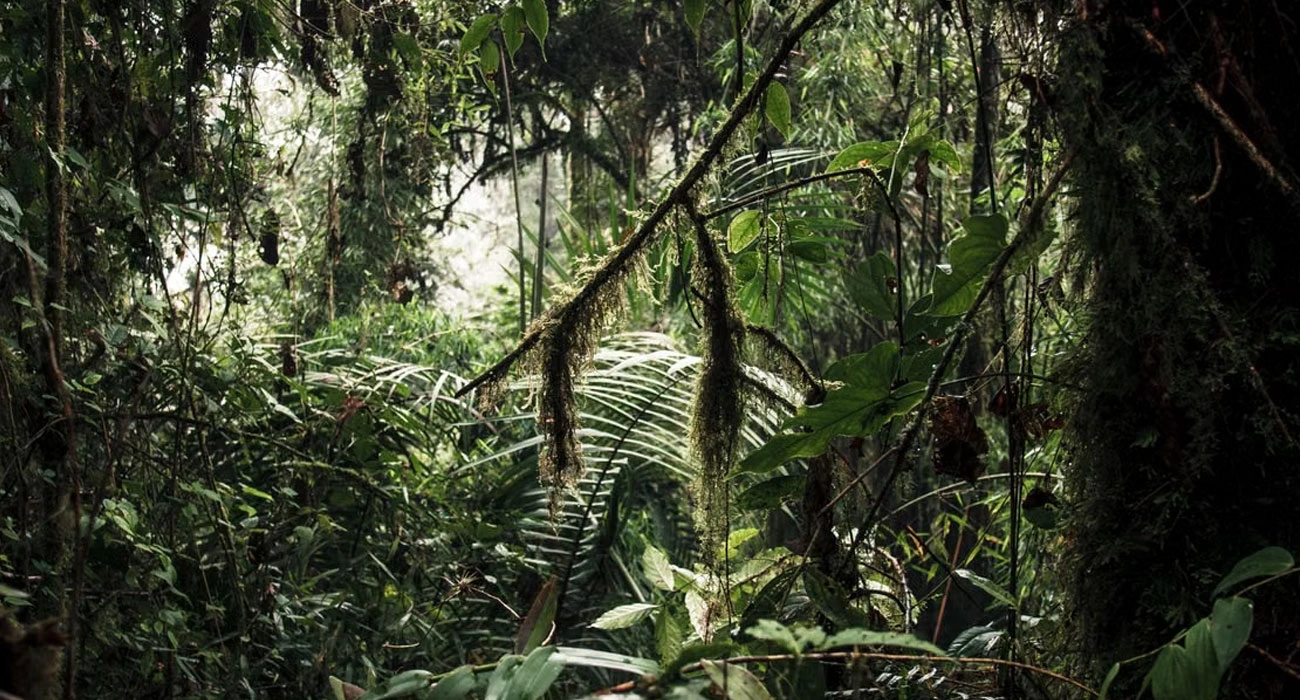
José Gamarra: Turning the Amazon Into an Archive of History
Exploring the intersections of art, history, and landscape in the Amazon.
Beyond the Traditional Landscape
For Uruguayan artist José Gamarra, the Amazon transcends traditional definitions of landscape. His latest work invites viewers to see the forest not merely as a picturesque scene, but as a complex tapestry woven from narratives of conquest, colonization, and cultural memory. This perspective reshapes our understanding of the Amazon, revealing it as a living archive that holds the legacies of those who have traversed its depths. By painting the Amazon, Gamarra challenges us to reconsider our relationship with the natural world, prompting a dialogue about the histories that linger within these vibrant ecosystems.
Gamarra's exhibition, 'Selva color del tiempo,' which opened in Mexico City on September 3, 2026, exemplifies this approach. Here, he presents the forest as a site of historical significance, where the stories of human impact are etched into the landscape. This artistic inquiry positions Gamarra not just as a painter, but as a historian who employs color and form to articulate the complexities of the Americas' past and present.
Painting the Memory of the Americas
In Gamarra's work, the visual language serves as a conduit for colonial history. The artist skillfully intertwines vibrant colors and dynamic forms to evoke the emotional weight of historical narratives. Each brushstroke reflects the tension between beauty and tragedy, as Gamarra portrays landscapes imbued with the memories of exploitation and resilience. His paintings resonate with the histories of those who have lived and suffered in these spaces, making the viewer acutely aware of the past that continues to shape contemporary identities.
This artistic approach not only highlights the aesthetic qualities of the Amazon but also emphasizes the importance of remembering its history. By transforming the forest into a canvas of memory, Gamarra encourages audiences to reflect on their own connections to the land and the stories that are inscribed within it. His art becomes a powerful reminder that landscapes are not mere backdrops; they are active participants in the narrative of human experience.
The Amazon as an Archive
The Amazon functions as a record of human movement, extraction, and transformation, and Gamarra's work encapsulates this concept beautifully. Through his paintings, he illustrates how nature serves as a witness to the events that have unfolded within its realms. The forest is depicted as a repository of cultural memory, where the remnants of historical moments are captured in the colors and textures of the landscape.
Gamarra's art prompts viewers to consider the implications of environmental degradation and the importance of preserving these historical narratives. By highlighting the interconnectedness of nature and human history, he positions the Amazon as a crucial locus for understanding not only the past but also the present challenges faced by indigenous communities and ecosystems alike.
The forest emerges as a territory in which history remains inscribed.— Exhibition text referencing Édouard Glissant's writing on Gamarra's work.
Why Gamarra Matters Now
In a world increasingly aware of environmental issues and the legacies of colonialism, Gamarra's work is more relevant than ever. His paintings urge audiences to engage with the past and reflect on the ongoing impacts of historical injustices. By connecting environmental imagery with historical narratives, Gamarra contributes to vital conversations about colonialism, identity, and the complex history of the Americas.
The urgency of Gamarra's message resonates deeply in contemporary art, where the intertwining of environment and identity is paramount. His work not only honors the past but also inspires future generations to recognize the importance of preserving cultural memory and understanding the narratives that shape our world.
Facts & Insights
- José Gamarra's Selva color del tiempo opened in Mexico City on September 3, 2026.
- The exhibition is Gamarra's first solo presentation in Mexico and runs through December 19, 2026.
- His work treats the Amazon as a space where histories of conquest, colonisation and resource exploitation intersect with the present.
Sep 3
2026: Exhibition Opening
Dec 19
2026: Exhibition Closing
40+
Years: Artistic Perspective
1st
Solo Exhibition in Mexico
When Landscape Becomes Memory
José Gamarra's work reminds us that landscapes are never entirely neutral. Forests, rivers and territories carry the traces of the people, economies and histories that have passed through them, even when those traces are difficult to see. By transforming the Amazon into an artistic archive, Gamarra invites viewers to look beyond beauty and ask what a landscape remembers. His practice demonstrates the enduring power of art to connect environmental experience with historical consciousness — the kind of cultural contribution that BritishPEDIA seeks to preserve when documenting artists whose work gives new meaning to the places and histories they represent.
Categories
Tagged in this story
Image sources
Pexels - Photo by Lloyd Douglas