
Professor Piotr Szulc: How Polish Ginger Could Transform the Future of Agriculture
Written by Admin • 2026-08-14 03:21:00
For centuries, ginger cultivation has been associated with tropical regions of Asia. Today, Professor Piotr Szulc from Poznań University of Life Sciences is challenging that assumption by exploring how this valuable plant can be cultivated in Poland. Through the Polish Ginger project, he combines decades of agricultural research with innovation to create new possibilities for European farming.
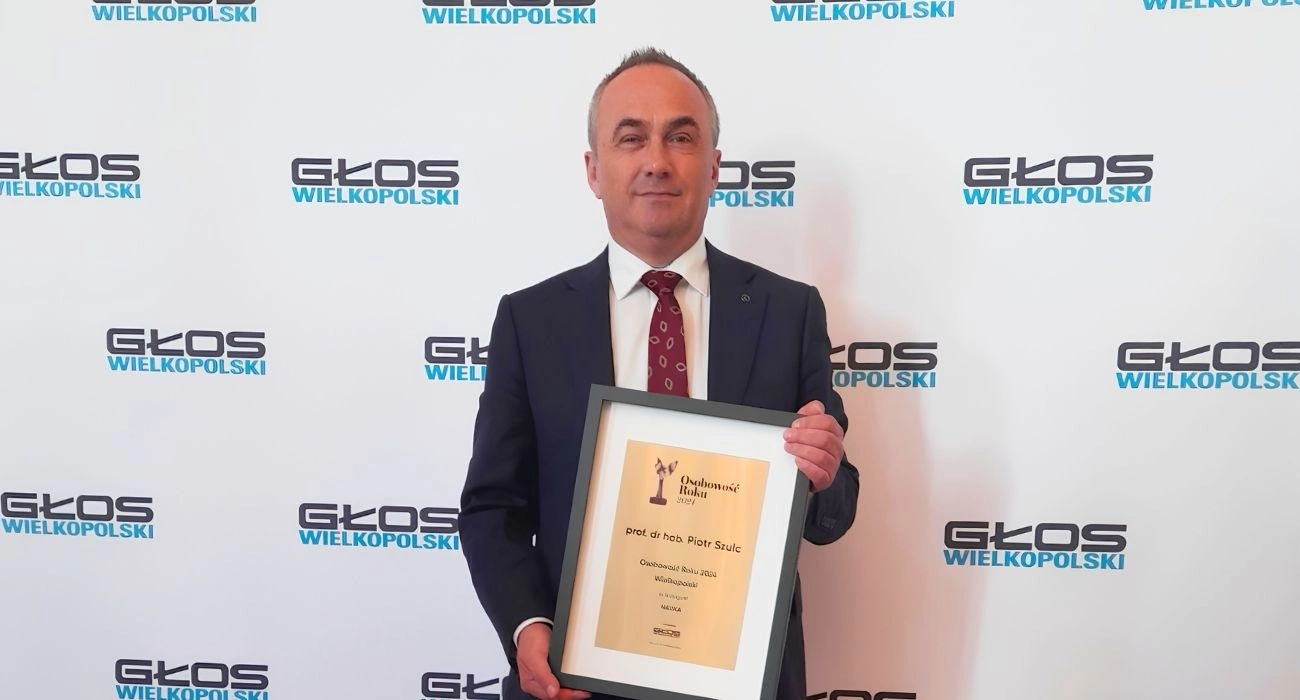
When Science Challenges Agricultural Boundaries
From decades of agronomy research to pioneering ginger cultivation in Poland, Professor Piotr Szulc demonstrates how knowledge and innovation can redefine the future of agriculture.
A New Chapter for Polish Agriculture
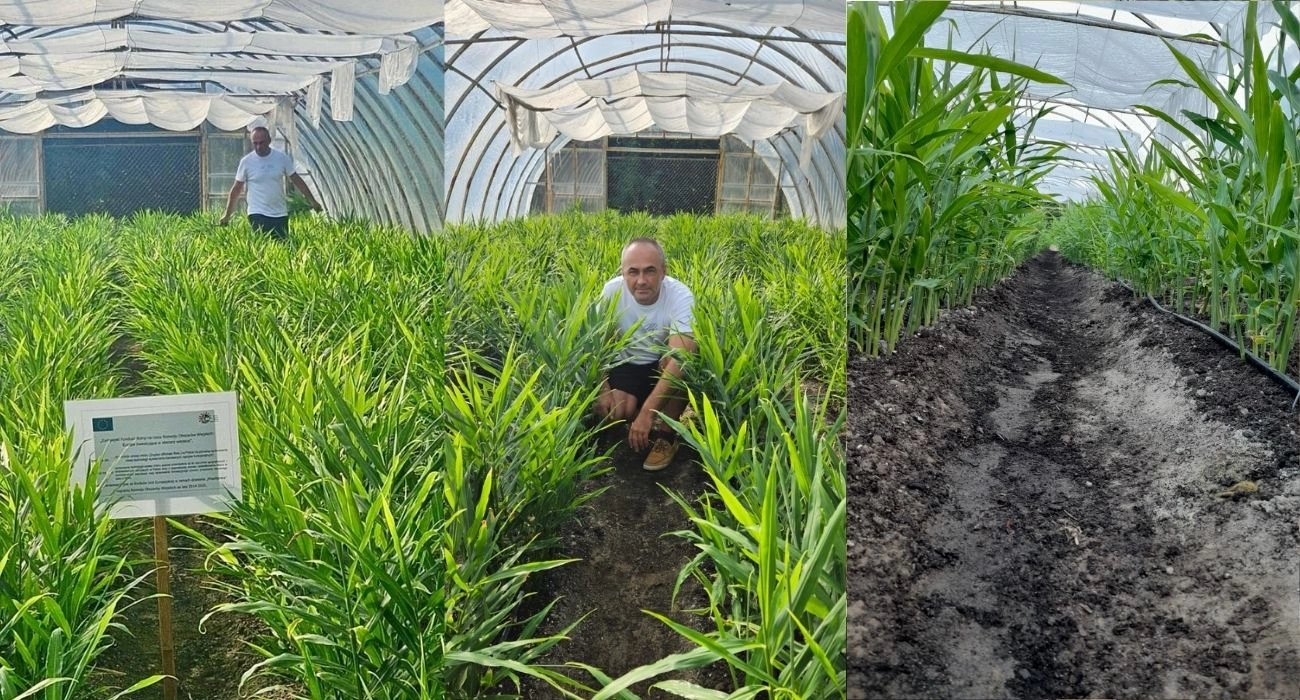
For generations, ginger has been associated with warm climates, tropical landscapes, and traditional agricultural regions across Asia. The idea of cultivating ginger in Poland once seemed almost impossible due to the country’s different climate conditions.
Today, that perception is changing. Advanced agricultural research is exploring how ginger can become part of European farming, opening new possibilities for local production and food innovation.
At the center of this transformation is Professor Piotr Szulc, a scientist from Poznań University of Life Sciences whose career has been dedicated to understanding plant production, agricultural efficiency, and sustainable cultivation methods.
Through the Polish Ginger project, Professor Szulc and his research team are not simply testing whether ginger can survive in Poland. They are developing the foundation for an entirely new agricultural direction.
From Agronomy Expertise to Agricultural Innovation
Professor Piotr Szulc’s scientific career has always been connected with the practical challenges of agriculture. After graduating from the Agricultural University of Poznań, he developed his research expertise in plant production, particularly focusing on crop management, fertilization, and yield physiology.
For more than two decades, his work has focused on understanding the complex processes that influence plant growth and finding solutions that can be applied directly by farmers.
His scientific achievements include more than 700 scientific and popular science publications, numerous research projects, and extensive cooperation with the agricultural sector.
However, modern agriculture requires more than improving traditional farming methods. Climate change, changing consumer expectations, and the growing importance of food security are encouraging researchers to explore new possibilities.
The Polish Ginger project represents this new approach—using scientific knowledge to create opportunities beyond conventional agricultural practices.
Polish Ginger: More Than an Experimental Crop
The Polish Ginger project was conducted between 2022 and 2025 through cooperation between researchers at Poznań University of Life Sciences. The initiative received funding exceeding 6.5 million PLN, supporting research into the possibility of developing domestic ginger production.
The project’s ambition went far beyond proving that ginger could grow in Polish conditions. Researchers worked on creating a complete cultivation technology adapted to local agricultural environments.
The research examined multiple elements of production, including plant material selection, cultivation methods, fertilization requirements, plant protection, crop quality, and potential applications within the food industry.
This comprehensive approach distinguishes Polish Ginger from a simple field experiment. The goal was not only to grow a new plant species but to establish the foundations of a completely new agricultural segment.
Why Ginger Became the Focus of Agricultural Research
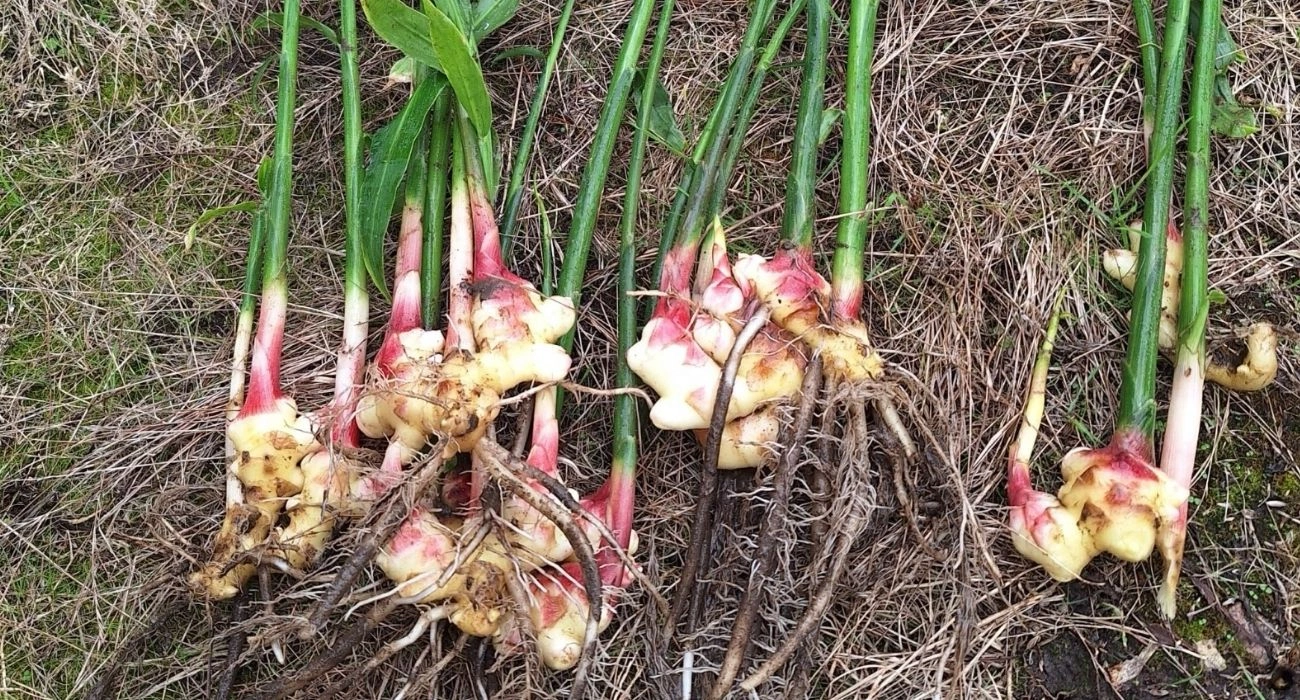
Ginger (Zingiber officinale) has been valued for thousands of years across Asian cultures. Traditionally used as a spice and natural ingredient, it has also become increasingly important in the modern food, pharmaceutical, and cosmetics industries.
Scientific research has focused on bioactive compounds found in ginger, including gingerols and shogaols, which are studied for their antioxidant and anti-inflammatory properties.
At the same time, global demand for natural products and functional foods continues to grow. Consumers are increasingly interested in products with transparent origins and controlled production processes.
Europe still depends heavily on imported ginger from other continents. Developing regional cultivation could contribute to greater supply independence while creating new opportunities for agricultural producers.
Science That Goes Beyond the University
One of the defining characteristics of Professor Piotr Szulc’s work is his ability to connect academic research with practical agricultural applications. His studies are not limited to scientific publications—they are designed to create solutions that can eventually support farmers and the wider agricultural economy.
Throughout his academic career, Professor Szulc has also played an important role in educating future generations of agricultural specialists. His dedication to teaching reflects his belief that scientific progress depends on sharing knowledge and developing new expertise.
He has supervised more than 60 master’s students, 33 engineers, and four doctoral researchers, contributing to the development of future professionals in agriculture and plant sciences.
His colleagues describe him as a researcher who combines scientific competence with openness, collaboration, and responsibility. These values have become the foundation of his approach to solving complex agricultural challenges.
Agriculture of the Future Requires New Perspectives
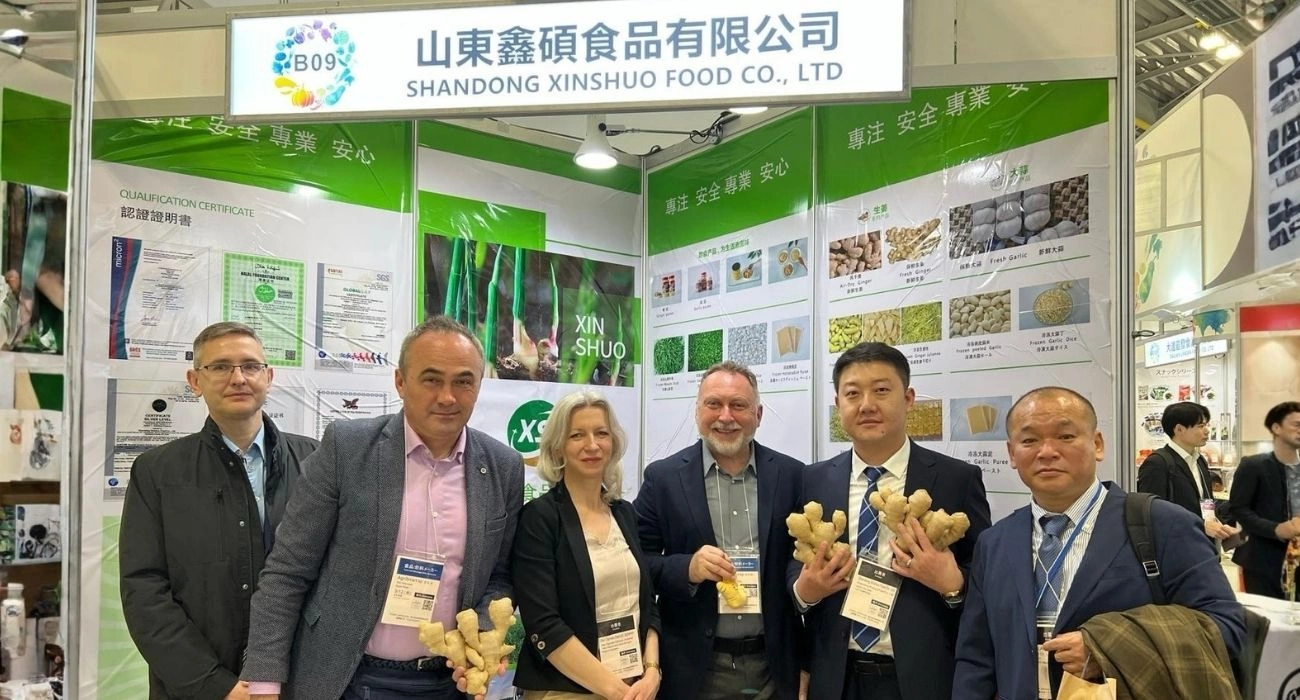
The Polish Ginger project demonstrates that agricultural innovation is not always defined only by advanced machinery or digital technology. Sometimes, transformation begins with a simple question: can something traditionally grown elsewhere become possible in a new environment?
Introducing a new crop into domestic agriculture requires scientific knowledge, patience, and the willingness to explore uncertainty. Professor Piotr Szulc’s journey shows how years of research experience can become the foundation for solutions that address future economic and environmental needs.
If the results of the project continue to be successfully implemented, Poland could develop a new agricultural specialization by becoming a producer of high-quality ginger adapted to European conditions.
More importantly, the project represents a wider message: the future of agriculture depends on researchers who are willing to challenge assumptions and create possibilities beyond traditional boundaries.
— BritishPEDIA Editorial TeamInnovation in agriculture begins when we are willing to see familiar challenges from a completely new perspective.
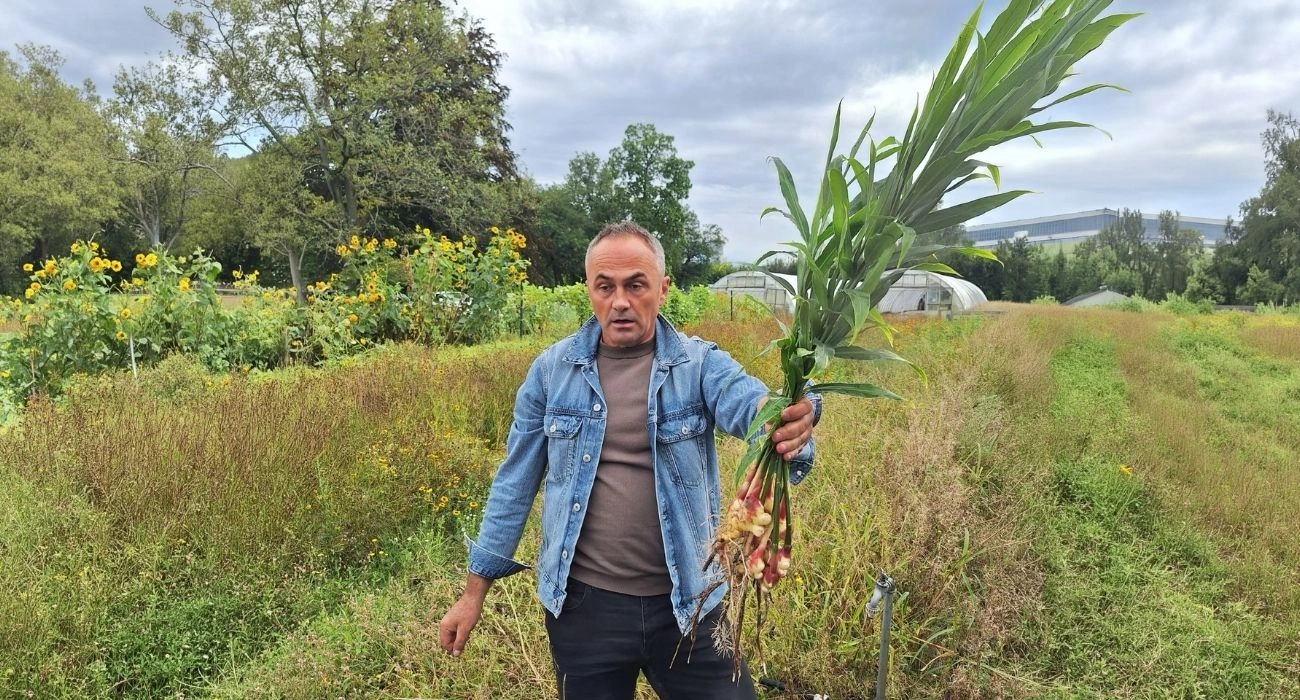
- Professor Piotr Szulc is an agricultural scientist from Poznań University of Life Sciences whose research career has focused on plant production, crop efficiency, and agricultural innovation.
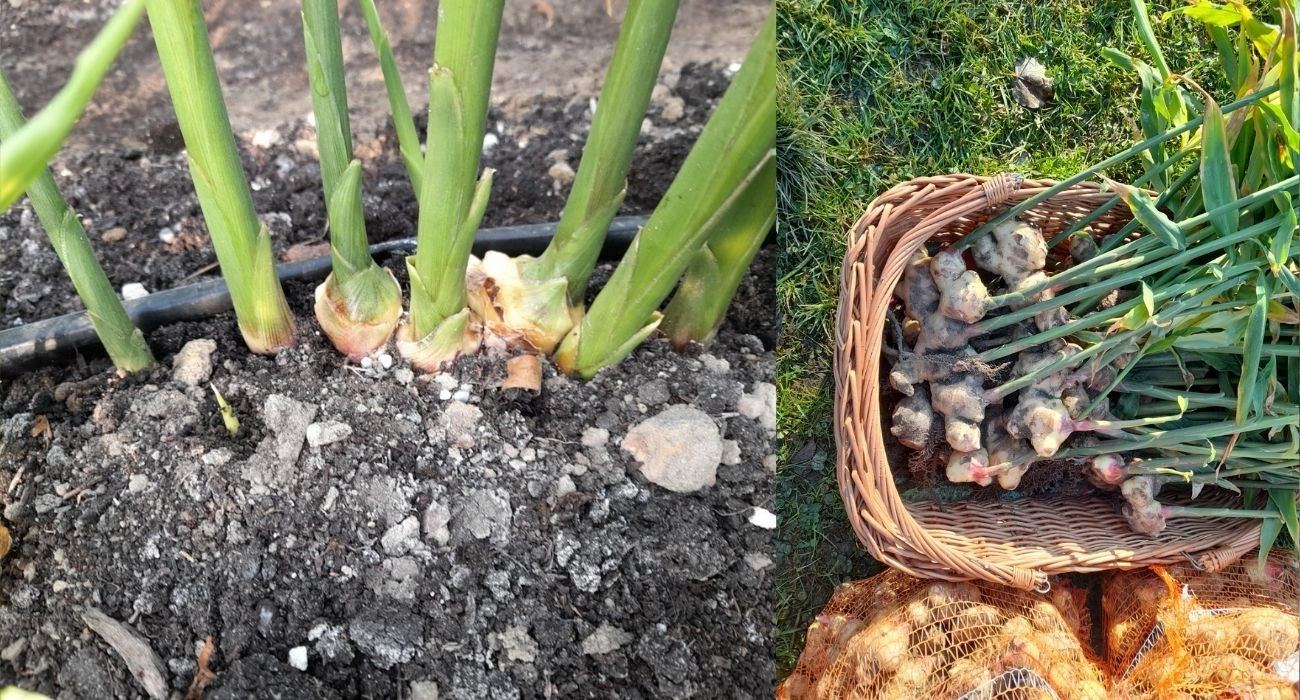
- The Polish Ginger project developed between 2022 and 2025 explored cultivation methods, plant requirements, and production possibilities for ginger under Polish conditions.
- The project connected agricultural science with food industry opportunities by exploring the potential use of locally cultivated ginger in functional food products.
Contribution to Society
Professor Piotr Szulc’s work demonstrates how scientific research can create meaningful impact beyond academic environments. By exploring the possibility of cultivating ginger in Poland, the Polish Ginger project contributes to discussions about agricultural diversification, food security, and the future of sustainable production.
His approach represents a broader vision of modern agriculture—one where research, education, and practical solutions work together to address global challenges. Through his dedication to innovation and knowledge-sharing, Professor Szulc inspires future generations of scientists and agricultural professionals to explore new possibilities.
Growing New Possibilities Through Science and Vision
Professor Piotr Szulc’s journey represents the power of scientific curiosity, persistence, and innovation. From decades of agricultural research to the pioneering Polish Ginger project, his work demonstrates how knowledge can transform challenges into new opportunities.
The story of Polish Ginger reflects a larger vision of modern agriculture; one where research, sustainability, and human creativity come together to build solutions for the future. As part of the inspiring stories documented by BritishPEDIA, Professor Szulc’s achievement highlights how visionary individuals can influence industries, strengthen communities, and create meaningful progress beyond their own fields.
Through his dedication to agricultural innovation, education, and scientific excellence, Professor Piotr Szulc proves that the future of farming is not limited by tradition; it is shaped by those who dare to imagine what is possible.
Categories
Tagged in this story
Image sources