
Rethinking Concrete: The Race to Build a Low-Carbon Construction Industry
Written by Admin • 2026-11-23 01:31:00
Topics
The construction industry is facing a significant challenge in reducing the environmental impact of cement production, which plays a crucial role in infrastructure development. Innovative approaches, such as low-carbon cement and alternative materials, are essential for creating a sustainable future in construction while balancing performance and environmental responsibilities.
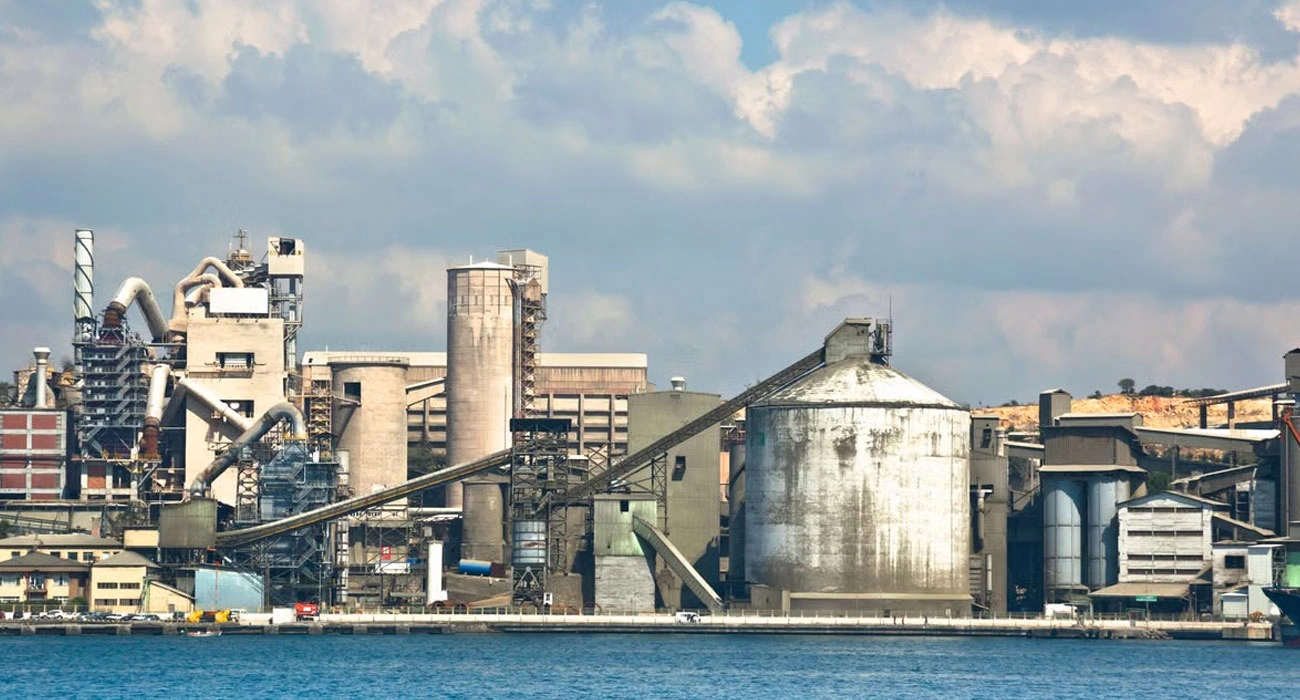
Rethinking Concrete: The Race to Build a Low-Carbon Construction Industry
Exploring innovative solutions to reduce the environmental impact of cement production.
The Challenge of Cement Production
Concrete is a cornerstone of modern infrastructure, supporting essential structures like homes, roads, and hospitals. However, the cement industry faces a pressing challenge: producing one of the most widely used construction materials while minimizing its environmental impact. Cement production is responsible for a significant portion of global carbon emissions, primarily due to the chemical processes involved in creating clinker, the main ingredient in conventional cement. This complex relationship between production and emissions makes it crucial for the industry to innovate and adopt more sustainable practices.
Transitioning to a low-carbon construction industry necessitates a comprehensive approach that includes exploring alternative raw materials, improving production efficiency, and implementing carbon capture technologies. The International Energy Agency (IEA) emphasizes the need for advancements in material efficiency and alternative fuels while maintaining the strength and reliability required for construction projects. The drive for innovation is reshaping the industry landscape, as companies strive to balance production demands with environmental responsibilities. The challenge is particularly complex because cement emissions come from two different sources: the energy required to heat industrial kilns and the chemical process of transforming limestone into clinker, the key ingredient in conventional cement. Improving energy efficiency and switching to cleaner fuels can address part of the problem, but reducing process emissions requires changes in materials and production technology. This makes cement decarbonisation a broader industrial transformation rather than a simple switch to renewable energy.
Innovative Materials and Methods
One promising avenue in the quest for low-carbon cement is the development of cement blends that incorporate supplementary cementitious materials. These blends can significantly reduce the amount of traditional clinker required, leading to lower emissions. Additionally, alternative fuels and improved production processes offer further opportunities for emissions reduction without compromising performance. Carbon capture technologies are also gaining traction, allowing cement facilities to capture emissions generated during production, thus addressing a crucial aspect of decarbonization. One promising approach is to reduce the amount of clinker used in cement by incorporating supplementary cementitious materials (SCMs), such as calcined clay, ground limestone and suitable industrial by-products. These materials can help lower the carbon intensity of cement while maintaining the performance required for construction. However, their availability, technical suitability and compatibility with local production standards vary between markets, making research and quality control essential.
However, the suitability of these innovations depends on various factors, including local raw materials, production infrastructure, and energy availability. Each region may require tailored solutions that align with its specific conditions. As the industry moves towards low-emission materials, collaboration across the construction value chain becomes essential, necessitating input from cement producers, architects, engineers, and policymakers alike.
The next construction revolution may begin with the materials beneath our buildings, not only the designs above them.— Industry Expert
Commercializing Low-Emission Solutions
The transition from laboratory research to commercial production represents a significant hurdle for the cement industry. The IEA's Breakthrough Agenda Report indicates that early commercial plants producing near-zero-emissions cement could face production costs 75-150% higher than conventional plants. This cost differential highlights the necessity for supportive financing, infrastructure, and policy frameworks to facilitate the adoption of low-emission materials. Furthermore, construction buyers and procurement authorities can play a vital role by prioritizing environmental performance in their purchasing decisions.
As demand for low-emission materials increases, manufacturers may find greater motivation to invest in new production capacities. Establishing building standards and testing procedures will be crucial to ensure that these materials meet the technical requirements for construction projects. International cooperation can also help create a unified approach to environmental standards, making it easier for buyers to compare products across different markets.
The Market Challenge of Scaling Up
Developing low-carbon cement is only one part of the transition. Manufacturers must also demonstrate that new products can meet construction standards, remain commercially competitive and be supplied consistently at industrial scale. This requires investment not only in production facilities, but also in testing, certification, logistics and partnerships with construction companies.
Demand is equally important. Developers, infrastructure authorities and public procurement agencies can help accelerate adoption by including verified low-emission materials in construction projects. Clear product standards and transparent emissions reporting can give buyers greater confidence while helping manufacturers justify investment in cleaner production.
The transition therefore depends on cooperation across the value chain. Cement producers, technology providers, regulators, investors and construction companies all have a role in turning low-carbon innovation into a commercially viable industry.
- Direct emissions intensity in cement production has remained broadly unchanged, according to the IEA's 2025 analysis.
- The IEA estimated that early commercial near-zero-emissions cement plants using carbon capture could face a 75–150% production cost premium.
- The IEA reported that announced near-zero-emissions cement capacity for 2030 had grown to approximately 35 million tonnes in its 2025 assessment.
The Future of Sustainable Construction
The future of cement production will not hinge on a single breakthrough, but rather on a blend of innovative material science, manufacturing advancements, and market development. Low-carbon cement presents an opportunity to revolutionize one of the construction industry's foundational materials. For technology developers and industrial stakeholders, success will depend on demonstrating the viability of these innovations in real-world applications. As the world moves towards more sustainable practices, the next generation of infrastructure will rely on materials that balance strength and reliability with environmental considerations.
For the construction sector, the next challenge is to make sustainability measurable and commercially practical. Buyers increasingly need reliable information about the environmental performance of materials, while manufacturers need consistent standards that allow low-emission products to compete across markets. Progress will depend on combining material efficiency, cleaner energy, alternative raw materials and carbon capture with stronger procurement commitments. The companies that can connect these elements may be better positioned as the construction industry moves towards lower-carbon standards.
Categories
Image sources