
SAP: Reinventing Enterprise Software for the AI Era
Written by Admin • 2026-09-11 01:16:00
SAP is leveraging the AI revolution to transform enterprise software, integrating cloud, data, and AI into a new operational layer for global business. This shift reflects a broader evolution in enterprise technology, where understanding business processes is as crucial as raw intelligence.
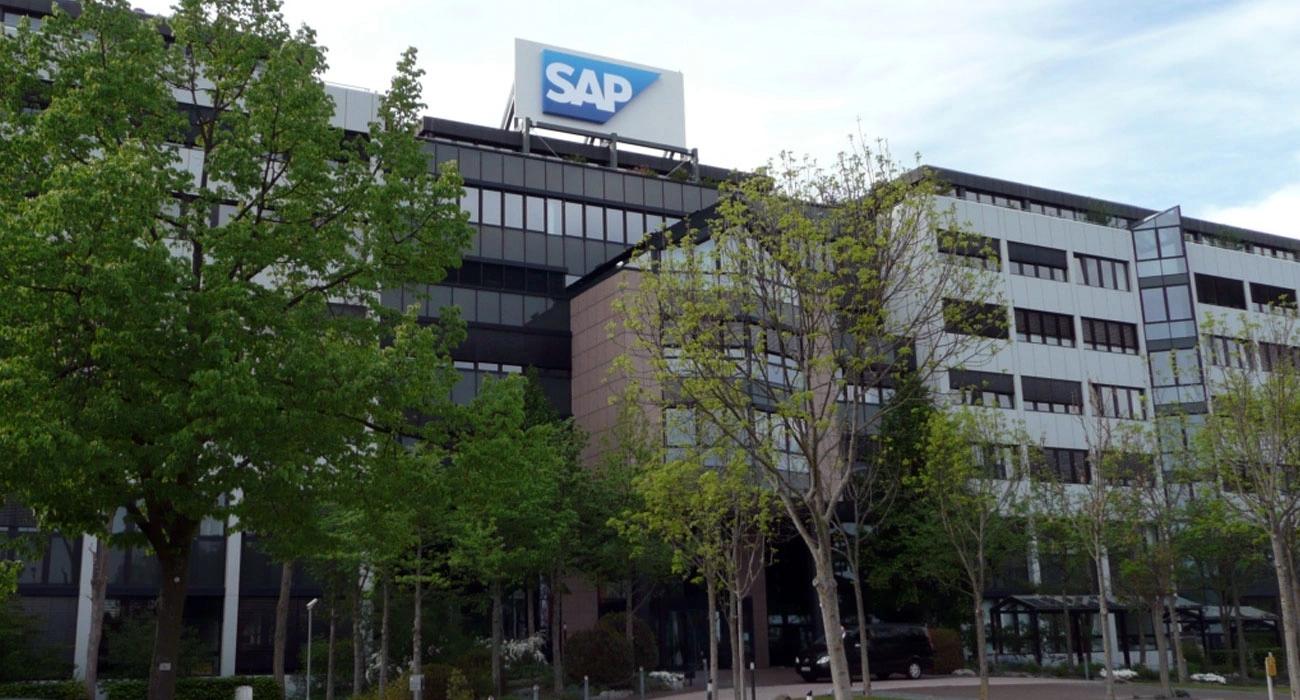
SAP: Reinventing Enterprise Software for the AI Era
Exploring SAP's transformation through AI, cloud, and data.
From Enterprise Software to Business Intelligence
For decades, enterprise resource planning (ERP) systems like SAP have been the backbone of large organizations, supporting everything from finance to supply chains. Traditional ERP systems have evolved to manage complex business processes, but the introduction of artificial intelligence is fundamentally changing the value proposition. AI offers the potential to not only automate routine tasks but also to enhance decision-making capabilities, providing businesses with real-time insights and predictive analytics that were previously unavailable. This evolution positions AI as a critical component in transforming ERP systems into intelligent business platforms.
As businesses navigate an increasingly complex digital landscape, the integration of AI into enterprise software is not merely an enhancement but a necessity. Companies are leveraging AI to extract actionable insights from vast amounts of data, enabling smarter, data-driven decisions. In this context, the value of enterprise software is shifting from transactional efficiency to strategic intelligence, where understanding business dynamics becomes paramount.
Why Context Matters More Than Raw Intelligence
In the realm of enterprise AI, context is everything. Companies require AI solutions that are not only smart but also tailored to their unique data, processes, and governance structures. This need for contextual intelligence means that AI must be deeply integrated with proprietary systems rather than operating in isolation. For SAP, this translates into developing AI capabilities that are aware of and responsive to the specific needs and operations of their clients.
Moreover, the potential of AI in enterprise settings extends beyond mere automation; it encompasses the ability to align AI outputs with organizational goals and compliance requirements. This alignment ensures that AI systems can augment human decision-making rather than replace it, ultimately leading to more effective governance and risk management. SAP's approach recognizes that the future of AI is not just about having the best algorithms but ensuring that they work seamlessly within the context of existing business frameworks.
SAP's AI Reinvention
SAP's commitment to AI is evident in its robust strategy that focuses on expanding cloud capabilities, enhancing data technologies, and pursuing strategic acquisitions. The company's transformation is supported by significant investments in AI infrastructure, which are crucial for developing advanced data analytics and machine learning capabilities. By leveraging these technologies, SAP aims to create a comprehensive ecosystem that empowers businesses to harness the power of AI effectively.
Additionally, SAP is shifting towards consumption-based pricing for some AI products, reflecting a broader trend in enterprise software that prioritizes flexibility and scalability. This new pricing model not only lowers the barrier to entry for businesses wanting to adopt AI but also aligns with the consumption patterns of modern enterprises. By making AI more accessible, SAP is positioning itself as a leader in the evolving landscape of enterprise technology.
The New Enterprise Software Economy
The relationship between software companies and their customers is undergoing a significant transformation. As businesses increasingly demand AI solutions that provide immediate value, software companies must adapt by offering more than just traditional licenses. SAP's move towards consumption-based pricing exemplifies how enterprise software is evolving into a more customer-centric model, focusing on delivering measurable outcomes rather than just features.
This shift reflects a broader trend where the expectations of enterprise technology users are changing. Companies no longer just want software that performs tasks; they seek intelligent solutions that integrate seamlessly into their operations and provide insights that drive performance. SAP's proactive approach in addressing these needs positions it favorably in a competitive landscape where adaptability and customer satisfaction are paramount.
The pendulum will swing back.— Jan Gilg / SAP
Facts & Insights
- SAP's share price had recovered approximately 40% from its recent low following strong earnings in July 2026.
- SAP is expanding its AI capabilities through cloud infrastructure, data technologies, acquisitions and ontology-based services.
- The company is increasingly using AI internally across functions while moving to
40%
Approximate SAP share-price recovery
2026
Current transformation phase
AI-first
Strategic direction
Cloud
+ Data + AI: Core infrastructure pillars
image of SAP headquarters in Walldorf, Germany
What Comes After the AI Disruption
The future of enterprise technology may not belong exclusively to the companies building the most powerful AI models, but to those capable of embedding intelligence into the systems that businesses already depend on. SAP's transformation illustrates that evolution in real time. By connecting AI with business data, governance, and operational context, enterprise software can become more than just a system for recording what a company has done—it can increasingly become a system for understanding what it should do next.
This transition represents one of the most consequential chapters in the evolution of business technology, and it is precisely the kind of transformation that BritishPEDIA documents: innovation not as a passing trend, but as a force reshaping how industries operate.
Categories
Tagged in this story
Image sources
By MichaelBr90 - Von MichaelBr90 am 30. April 2012 in die deutschsprachige Wikipedia geladen., CC BY-SA 3.0, https://commons.wikimedia.org/w/index.php?curid=27319548