Sara Flores: Bringing Amazonian Memory Into Contemporary Art
Written by Admin • 2026-08-31 01:08:00
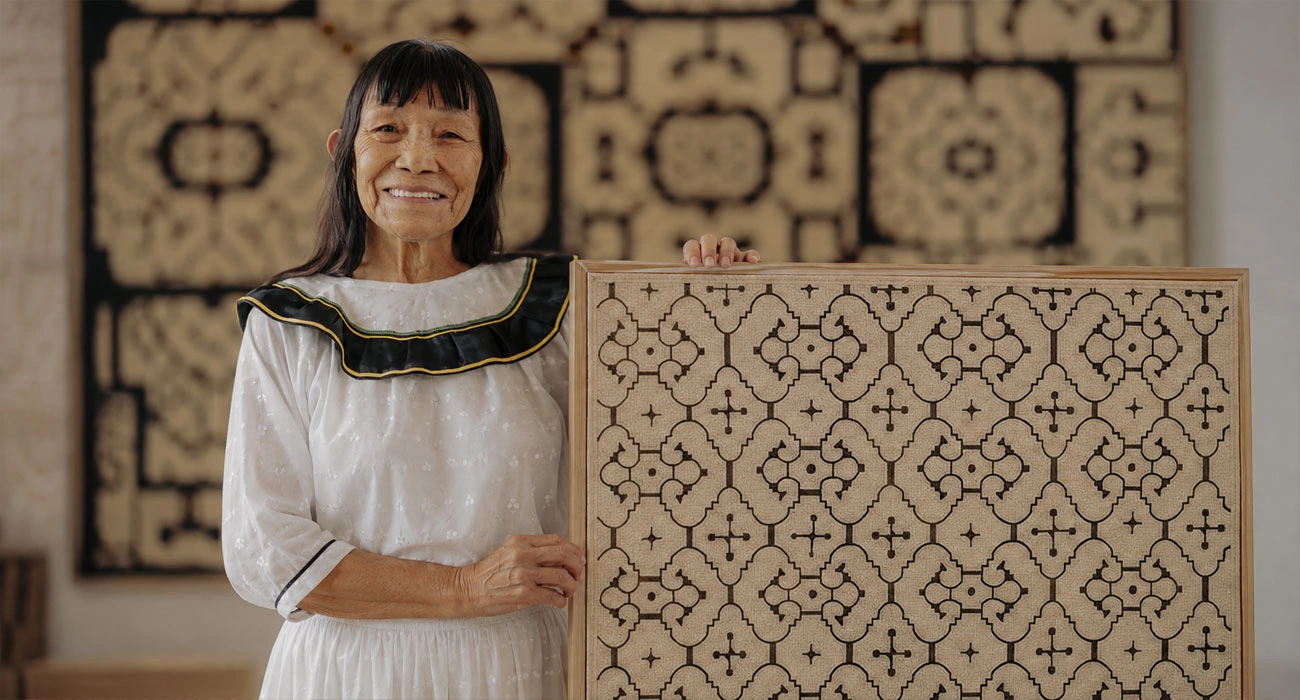
For Sara Flores, art is a way of carrying memory forward. Through kené, the Peruvian Shipibo-Conibo artist is bringing Amazonian knowledge and visual heritage into contemporary art while opening it to new audiences around the world.
Sara Flores: Bringing Amazonian Memory Into Contemporary Art
Exploring the intersection of tradition and contemporary expression
The Language Hidden in the Pattern
Deep in the Peruvian Amazon, geometric patterns known as kené serve as more than just decorative motifs; they embody the very essence of the Shipibo-Conibo culture. This ancestral visual language weaves together art, nature, spirituality, and collective memory, forming a cultural tapestry that has been passed down through generations. For the Shipibo-Conibo people, each pattern tells a story, encapsulating their worldview and ancestral knowledge. The intricate designs of kené are not merely aesthetic choices; they are vibrant expressions of identity and heritage, a reflection of a people's relationship with the natural world.
Sara Flores, a prominent figure in this cultural narrative, is dedicated to preserving and evolving the significance of kené in contemporary art. Her work serves as a bridge between traditional practices and modern artistic expressions, highlighting the importance of this visual language in a rapidly changing world. Through her art, Flores invites audiences to engage with the rich heritage of the Shipibo-Conibo community, ensuring that the stories embedded in these patterns continue to resonate.
Sara Flores and a Life in Art
Born into the Shipibo-Conibo community, Sara Flores has spent her life immersed in the rich artistic traditions of her people. Her artistic practice revolves around the use of kené, which she skillfully integrates into various mediums, from painting to textile design. Flores’ journey as an artist has been marked by a deep commitment to her cultural roots, and she actively seeks to share the stories and values of her community through her work. Her art not only reflects her personal experiences but also serves as a vessel for preserving the collective memory of the Shipibo-Conibo people.
Fluent in the language of her ancestors, Flores navigates the complexities of contemporary art while remaining anchored in her cultural heritage. Her approach challenges the traditional boundaries that often separate craft from fine art, asserting that the two can coexist without compromising authenticity. By highlighting the significance of kené, she demonstrates how cultural expression can adapt and thrive in the modern art world.
From Craft to Contemporary Art
Flores’ work exemplifies the fluidity of artistic expression within the Shipibo-Conibo community. She challenges the conventional distinction between craft and contemporary art, asserting that both forms of expression are equally valid and valuable. In her view, kené is not merely a decorative element; it is a powerful symbol of cultural identity and continuity. By elevating this ancestral visual language to the realm of contemporary art, Flores invites viewers to reconsider the narratives surrounding indigenous art forms and their place in today's global art scene.
Her commitment to redefining the perception of traditional art is evident in her participation in international exhibitions, where she showcases the beauty and depth of kené to diverse audiences. Through her work, Flores not only honors her heritage but also paves the way for future generations of artists from the Shipibo-Conibo community, encouraging them to explore and innovate within their cultural frameworks.
Amazonian Knowledge on the Global Stage
A significant milestone in Flores' career came in 2026 when she became the first member of the Shipibo-Conibo community to represent Peru at the Venice Biennale. This historic achievement marked a pivotal moment for both Flores and her community, showcasing the richness of Amazonian culture on an international platform. The Venice Biennale is a prestigious event in the art world, and Flores’ presence there signifies a broader recognition of indigenous artists and their contributions to contemporary art.
Flores' participation in the Biennale not only amplifies her voice but also serves as an important opportunity to advocate for the preservation of indigenous knowledge and cultural heritage. By sharing the stories and traditions of the Shipibo-Conibo people, she fosters greater understanding and appreciation for Amazonian art, challenging stereotypes and misconceptions that often surround indigenous cultures. In doing so, Flores creates a dialogue between her community and the global art world, emphasizing the relevance of ancestral traditions in contemporary contexts.
Facts & Insights
- Sara Flores belongs to the Shipibo-Conibo community of Peru and works with the ancestral kené visual tradition.
- In 2026, Flores became the first member of the Shipibo-Conibo community to represent Peru at the Venice Biennale.
- Flores founded the Bakish Mai educational institution in the Peruvian Amazon, connecting artistic practice with cultural knowledge.
Cultural heritage does not have to remain behind glass to survive. It can evolve, travel, and enter new conversations while retaining the knowledge embedded within it.— Sara Flores
When Art Becomes a Living Memory
Sara Flores' work reminds us that cultural heritage does not have to remain behind glass to survive. It can evolve, travel, and enter new conversations while retaining the knowledge embedded within it. Through kené, Flores has created a bridge between Amazonian tradition and contemporary art—showing how one artist can help ensure that a community's visual language remains alive for another generation. Her journey reflects the kind of cultural contribution and enduring human legacy that BritishPEDIA seeks to preserve through its stories.
76
Artist's Age in 2026
1
First Representation at Venice Biennale
1
Ancestral Visual Language
1
Amazonian Cultural Legacy
Categories
Tagged in this story
Image sources
AI generated image