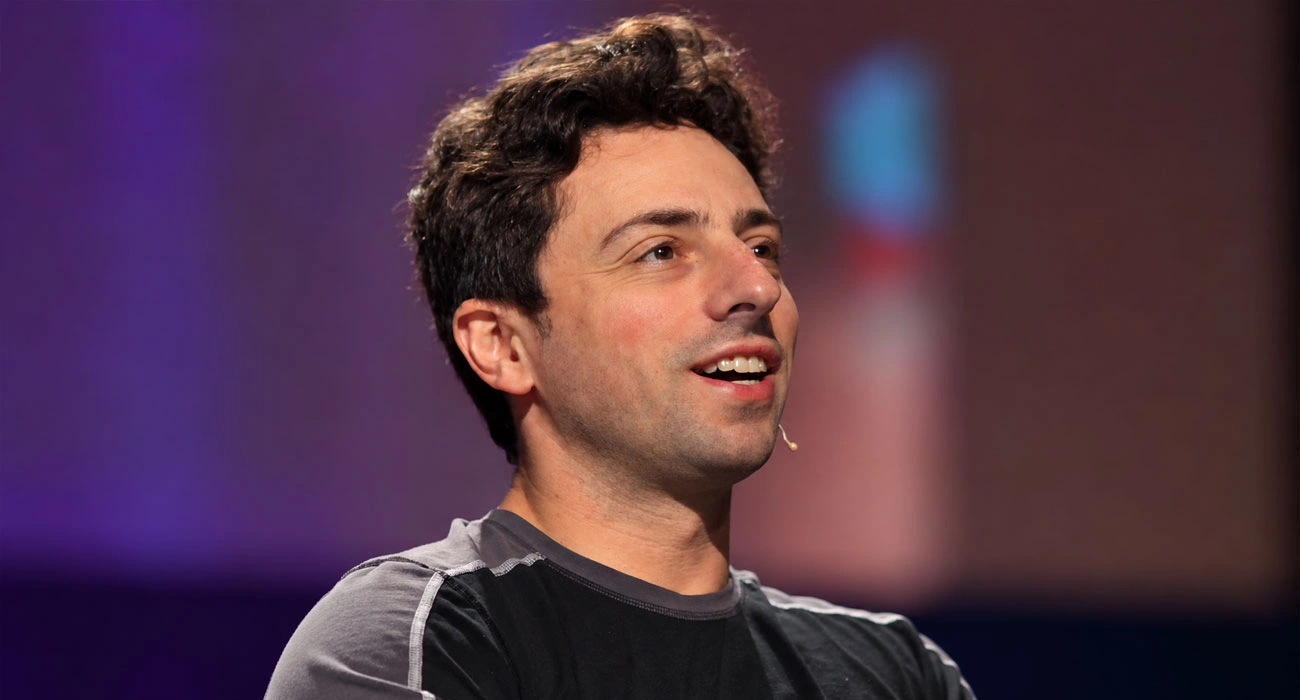
More than two decades after helping build Google, Sergey Brin is returning to the front line of artificial intelligence.
Sergey Brin, co-founder of Google, played a pivotal role in transforming the way we access information through the internet. His journey began in a garage where he and Larry Page laid the foundation of a search engine that would revolutionize technology and communication. Fast forward two decades, and Brin is stepping back into a hands-on role, focusing on artificial intelligence, specifically the development of Google’s Gemini. This shift marks a significant departure from the traditional path many founders take, opting instead to manage their legacies rather than innovate within them.
Brin's decision to return to the technical forefront of AI development comes at a critical time for Google as it faces increasing competition in the AI landscape. By actively participating in projects like Gemini, Brin is not just lending his expertise but is also leading by example, showcasing the value of a founder's direct involvement in technological advancement. His hands-on approach signifies a renewed commitment to innovation and reflects a shift in how leaders can influence their organizations in rapidly evolving sectors.
Brin's return to a more active role within Google is driven by the strategic importance of AI to the company's future. As the demand for advanced AI capabilities grows, Brin's involvement highlights a belief that experienced founders can still contribute significantly to technological innovation. His focus on enhancing Gemini's capabilities, particularly in reinforcement learning, indicates a hands-on approach to solving complex challenges that AI presents today. By working closely with researchers, Brin aims to infuse a startup-like agility into Google's AI development process.
Moreover, Brin's return is timely as Google DeepMind undergoes substantial leadership changes. With new leadership at the helm, Brin's experience could provide much-needed continuity and direction. His commitment to being involved in the technical aspects of AI development is a clear message: innovation requires not just oversight but active participation from its founders. This shift could reshape how technology leadership is perceived, emphasizing the importance of hands-on engagement in fostering a culture of innovation.
Brin's workspace, informally dubbed the 'microkitchen,' serves as a metaphor for his new approach to leadership. This informal environment fosters creativity, experimentation, and rapid decision-making, contrasting sharply with the traditional corporate settings often bogged down by layers of bureaucracy. In this setting, teams can work collaboratively and iterate on ideas quickly, which is essential in the fast-paced world of AI development. Brin's choice to operate from such a space embodies his philosophy of maintaining a startup mindset within a large organization.
The microkitchen is not just a physical space but a symbol of a cultural shift within Google as it embraces a more agile and experimental approach to AI innovation. By breaking down hierarchical barriers and promoting open communication, Brin is encouraging a culture of collaboration that can lead to breakthroughs. This philosophy aligns with the current demands of the AI landscape, where speed and adaptability are crucial to staying competitive. Brin's leadership style, characterized by proximity to the technical work, exemplifies a modern approach to technology leadership.
As Google navigates the increasingly competitive AI landscape, Gemini represents a critical component of its strategy. This project aims to leverage advanced AI capabilities to not only enhance Google's existing services but also to innovate in ways that could redefine user interaction with technology. Brin's direct involvement in the development of Gemini indicates a commitment to pushing boundaries and exploring new possibilities within the AI domain. His hands-on approach is a testament to the belief that true leadership in technology involves being deeply embedded in the work.
The AI race is intensifying, with various players vying for dominance. In this context, Gemini's success could significantly impact Google's position in the market. Brin's focus on reinforcement learning and coding performance underscores the project's ambition to not just keep pace with competitors but to lead the way in innovation. By spearheading such initiatives, Brin is positioning Google as a frontrunner in AI technology, emphasizing that the future of technology is not just about strategic oversight, but also about engaging directly with the complexities of innovation.
“
”
Sergey's microkitchen
— Informal name used in recent reporting for the Mountain View workspace where Brin and his AI team work.
Facts & Insights
- Sergey Brin co-founded Google and has recently returned to a more hands-on technical role in the company's AI work.
- Brin has reportedly been closely involved with Gemini development, including work around reinforcement learning and coding capabilities.
- His renewed involvement comes alongside major leadership changes at Google DeepMind, including Demis Hassabis moving into the role of chief scientist at Alphabet.
2
Google Co-Founders
20+
Yrs Since Google's IPO Era
1
Gemini Ecosystem
2026
AI Leadership Return
Brin's return to hands-on AI work is interesting precisely because it is not simply another chapter in Google's corporate history. It reflects something deeper about innovation: the most experienced people in technology may still find their greatest value when they return to the problems that remain unsolved. At a time when artificial intelligence is reshaping industries at extraordinary speed, Brin's decision to work alongside researchers rather than simply oversee them offers a compelling lesson in curiosity, technical leadership, and the continuing power of building. It is the kind of transition—from founder to pioneer once again—that BritishPEDIA seeks to capture when documenting the people shaping the next era of innovation.