
Super September: Why the Shoulder Season Is Becoming the New Peak Travel Strategy
Written by Admin • 2026-09-10 01:06:00
September is changing from the month people associate with the end of summer into a strategic travel window. With fewer crowds and better weather, 'Super September' is becoming a peak travel strategy for many, reflecting changing traveller priorities and a desire for more authentic experiences.
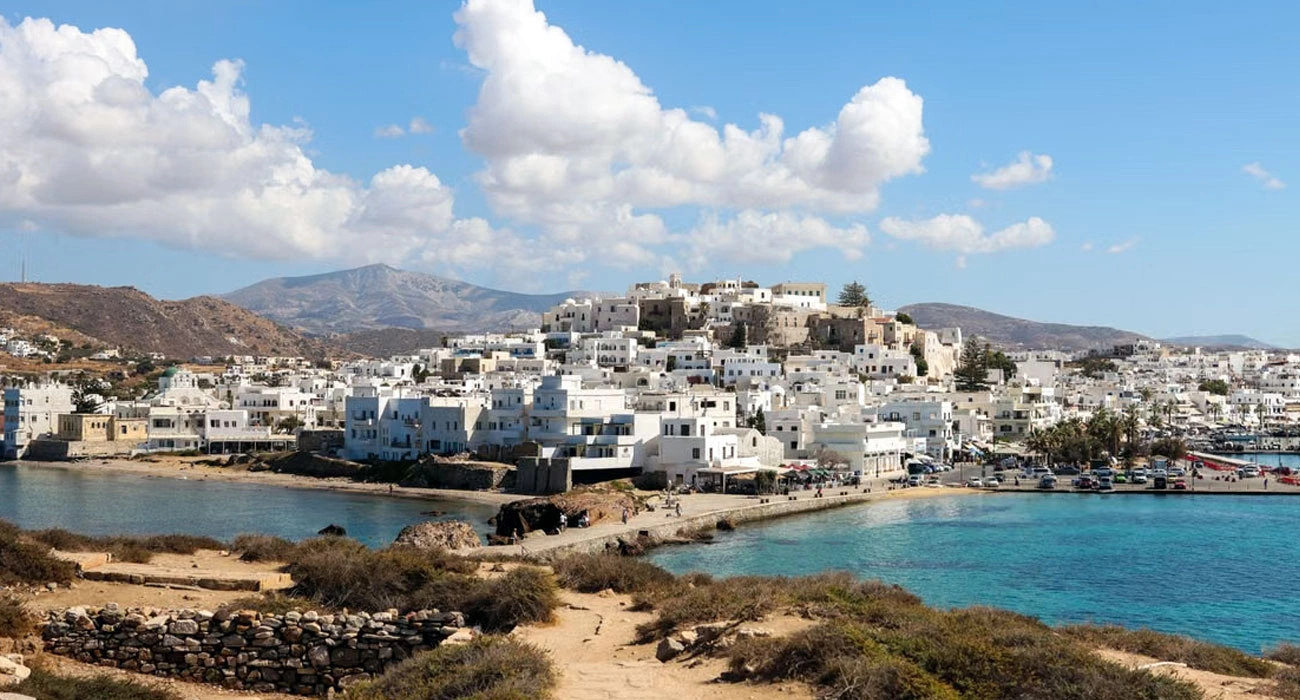
Super September: Why the Shoulder Season Is Becoming the New Peak Travel Strategy
Discover the rise of 'Super September' and why travellers are shifting holidays toward the shoulder season for better weather, flexibility and fewer crowds.
When September Stopped Feeling Like the End of Summer
For decades, September was synonymous with the end of summer, but this perception is rapidly changing. As more travellers seek out unique experiences, September is emerging as a strategic travel window. With its warmer-than-autumn conditions and significantly reduced crowds, it offers an appealing alternative to the busyness of July and August. Travellers are increasingly drawn to the idea that September is not just an extension of summer, but a distinct and inviting travel season. This shift reflects a growing desire to escape the conventional holiday rush for a more relaxed and enjoyable experience.
The transition is not just anecdotal; it marks a cultural shift in how holidays are perceived. The allure of fewer tourists, pleasant weather, and lower prices makes September an attractive option. As destinations begin to cater to this trend, they are redefining their marketing strategies to highlight the benefits of shoulder-season travel. This change signals a broader movement towards a more flexible and consumer-focused travel industry, where the timing of travel is becoming just as important as the destinations themselves.
The Numbers Behind Super September
Recent data from ABTA's 2026 Travel Trends report reveals a notable increase in the number of people planning overseas holidays in September, rising from 17% in 2023 to 24% in 2025. This trend is echoed by eSky, which reported a staggering 57% year-on-year increase in September bookings. These statistics indicate a shifting mindset among travellers who are seeking more viable options to plan their vacations, particularly during a historically quieter month.
Countries like Spain, Greece, and Italy are leading the charge in September bookings, attracting a diverse range of travellers. Spain alone accounted for nearly 28% of all bookings in September, followed by Greece at 17%. This surge in travel demand highlights the potential of September to become an essential period in the travel calendar, one that can offer not only better weather but also more comfortable experiences.
Facts & Insights
Why Travellers Are Moving Away From Peak Season
The shift towards shoulder-season travel represents a broader change in traveller priorities. Many are looking for experiences that offer greater comfort, lower costs, and a more relaxed atmosphere. The traditional peak season is often characterized by overcrowded attractions and inflated prices, which can detract from the enjoyment of a holiday. By choosing September, travellers can avoid these pitfalls and enjoy a more authentic experience.
Moreover, as sustainability becomes a central concern for many consumers, the opportunity to travel during off-peak times aligns with a desire to lessen the environmental impact of travel. Shoulder-season travel helps distribute tourism demand more evenly throughout the year, alleviating pressure on popular destinations during peak periods. This approach not only benefits the environment but also fosters a more sustainable tourism industry.
September is becoming an increasingly attractive month for travel.— Marcin Starkowski, Group PR Manager at eSky.com
Spain, Greece and the New September Map
As September gains traction as a prime travel month, countries like Spain and Greece are capitalizing on this trend. Spain, with its vibrant culture and warm climate, remains a favorite, accounting for a significant share of September bookings. Greece, with its stunning landscapes and rich history, follows closely, offering travellers a chance to explore its beautiful islands without the summer crowds. This dynamic shift is encouraging other countries to promote their unique offerings during this period.
The changing map of travel destinations in September reflects a growing recognition of shoulder season advantages. Destinations that embrace this trend can anticipate increased visitor numbers and economic benefits. As more travellers become aware of the opportunities available in September, the potential for growth in this market segment will only continue to rise.
Could Shoulder Season Become the New Main Season?
The trend of September travel raises an intriguing question: could shoulder season become the new main season? As travellers increasingly prioritize comfort, flexibility, and unique experiences, September stands poised to redefine traditional travel calendars. This shift in consumer behavior may lead to a future where September is no longer viewed as merely a transition month, but rather a prime travel period in its own right, attracting visitors who seek a blend of pleasant weather and rich cultural experiences.
As destinations adapt to this evolving landscape, they will likely enhance their offerings to cater to this growing demand. The rise of September as a travel season could lead to a more sustainable tourism model, benefiting both travellers and local communities. If the trend continues, September may eventually stop being described as the shoulder season at all. It could become one of the most desirable periods on the travel calendar—proof that sometimes the future of tourism is not about discovering a new destination, but discovering a better time to experience it.
Categories
Tagged in this story
Image sources
Pexels - Photo by Efrem Efre