
The AI Memory Boom: How Artificial Intelligence Is Reshaping the Global Chip Industry
Written by Admin • 2026-09-10 01:14:00
The AI boom is creating an unexpected bottleneck: memory. As data centers consume increasing amounts of advanced chips, consumer electronics manufacturers are facing tighter supply and higher prices for the memory used in everyday devices.
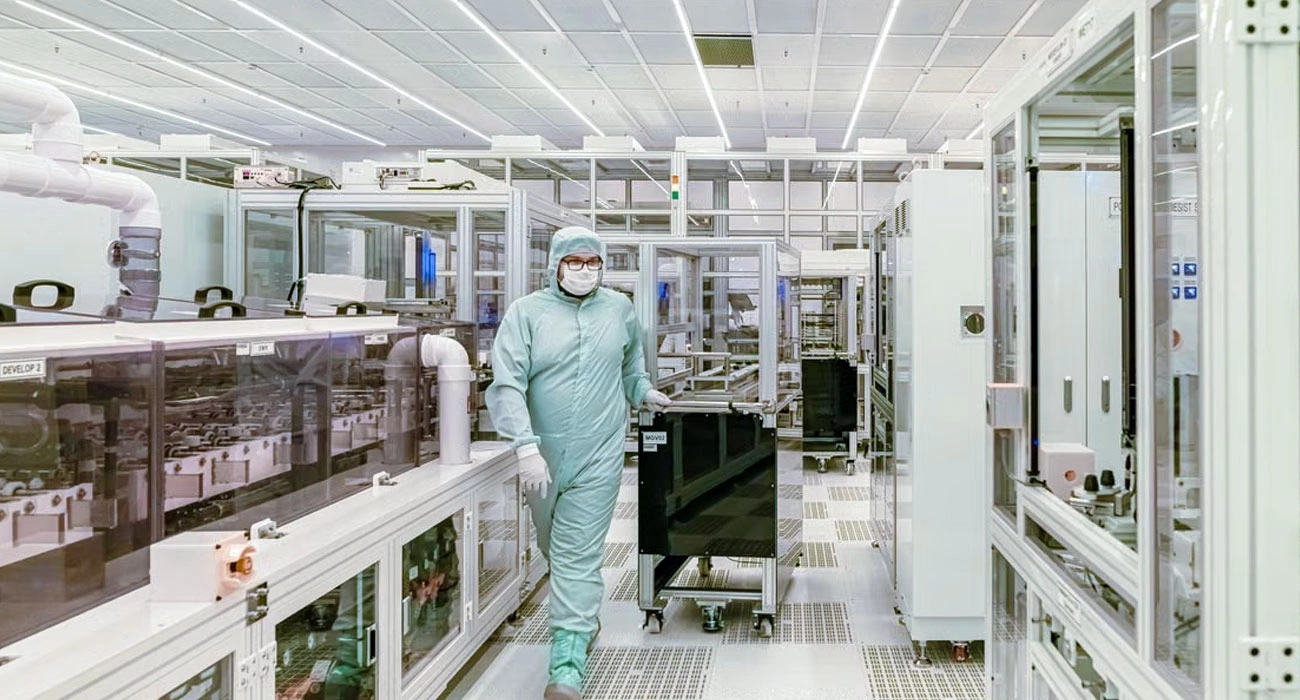
AI Memory Boom: How Artificial Intelligence Is Reshaping the Chip Industry
The unexpected economic consequences of AI's insatiable demand for memory chips.
The Memory Behind the AI Boom
The AI revolution was initially heralded as a means to enhance technology accessibility and efficiency. However, it has resulted in soaring prices for consumer electronics, primarily due to the high demand for memory chips. The rapid escalation in AI infrastructure requirements is leading manufacturers to prioritize high-margin products like AI chips over conventional DRAM, which is essential for devices like smartphones and gaming consoles. This shift in focus is creating a significant imbalance in the semiconductor supply chain, pushing DRAM prices to unprecedented levels and affecting the overall affordability of everyday electronics.
As the demand for AI capabilities grows, companies are scrambling to secure the necessary memory to support their data centers, which further exacerbates the shortage. In this context, the term 'RAMageddon' has emerged to describe the dramatic rise in DRAM prices, which have reportedly increased fivefold over the past year. This situation poses a critical challenge for traditional electronics manufacturers who are now forced to compete for a dwindling supply of memory chips, often leading to delayed product launches and limited inventory availability.
Why AI Data Centres Need So Much Memory
AI data centers require extensive memory resources due to the complex computations involved in training AI models. These models demand vast amounts of data to learn from, necessitating memory that can handle high bandwidth and rapid access speeds. High-bandwidth memory (HBM) is increasingly being utilized to meet these demands, which in turn is driving up competition for DRAM. As a result, the resources allocated to AI infrastructure are pulling away from the consumer electronics market, leading to shortages that affect the availability of memory for devices like laptops and smartphones.
This competition not only impacts the pricing but also the specifications of consumer electronics. Manufacturers are facing the difficult decision of either increasing prices for their products or reducing the specifications to cope with the rising costs of memory. Unfortunately, the construction of new semiconductor facilities to increase supply will take years, meaning that this supply crunch could persist well into 2026, prolonging the struggles faced by both electronics manufacturers and consumers.
The Consumer Cost of the AI Revolution
The memory shortage is not merely a technical issue; it has real-world implications for consumers. As electronics manufacturers adjust to the new realities of supply constraints, they are passing on the costs to consumers. This means that everyday devices like smartphones, laptops, and gaming consoles may see price increases of up to $300 as a result of the memory shortage. Consumers can expect to feel the pinch as the cost of technology rises, making it increasingly important to understand the broader economic context behind these changes.
Moreover, this scenario underscores the importance of a robust semiconductor supply chain that can adapt to the rapidly changing landscape of technology. As AI continues to advance, the reliance on high-quality memory chips will only grow, emphasizing the need for strategic investments in production capabilities. Policymakers, businesses, and consumers alike must recognize that the physical resources required to support AI are just as critical as the software innovations driving the industry forward.
RAMageddon— Financial Times
Facts & Insights
- DRAM prices have risen sharply as AI infrastructure competes with consumer electronics for memory supply.
- The shortage is affecting smartphones, PCs and gaming consoles, with manufacturers raising prices or adjusting specifications.
- New semiconductor manufacturing facilities require years to build, meaning supply constraints may persist well beyond 2026.
5×
DRAM Price Increase
3
Major Memory Makers
2027+
Supply Pressure
$300
Potential Device Price Increase
Categories
Tagged in this story
Image sources
Pexels - Photo by Российский центр гибкой электроники