
The Craft Renaissance: Why Handmade Design Is Becoming the New Luxury
Written by Admin • 2026-09-11 01:23:00
Topics
As artificial intelligence accelerates production, contemporary design is rediscovering the value of the human hand and turning craftsmanship into a new language of luxury.
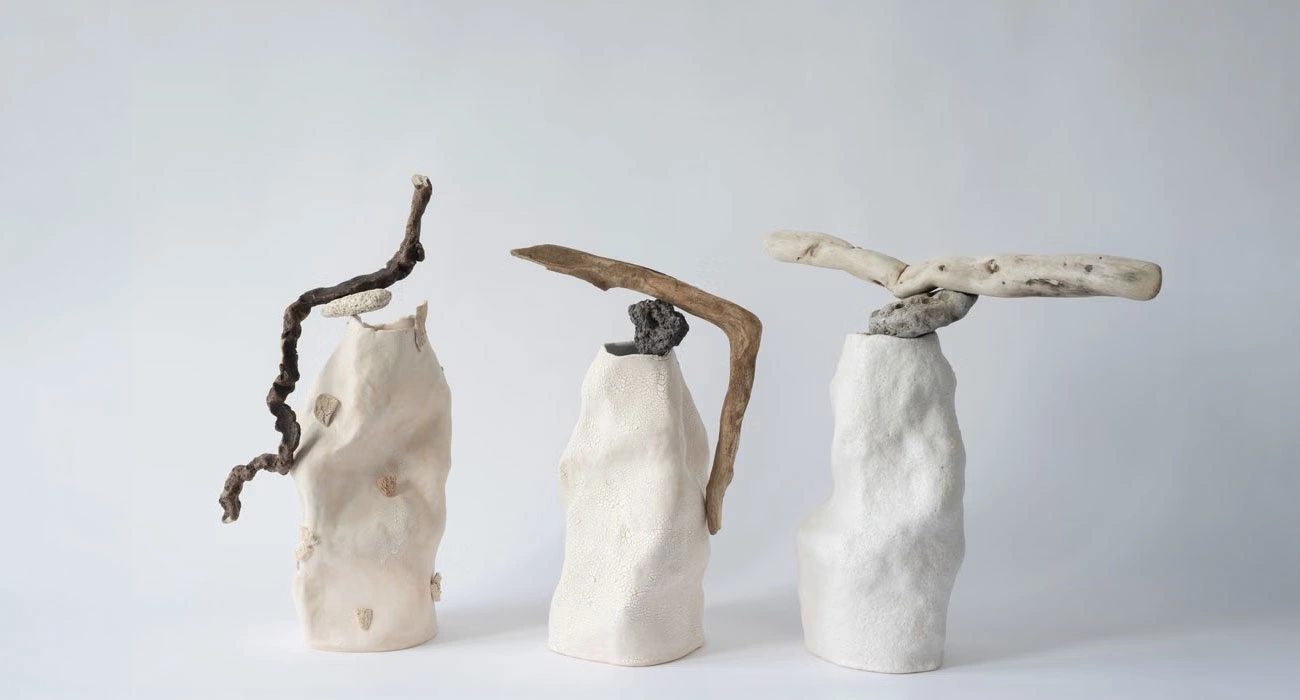
The Craft Renaissance: Why Handmade Design Is Becoming the New Luxury
Discover why craftsmanship, artisan design and handmade objects are returning to the centre of contemporary luxury, design and cultural identity.
Why Handmade Matters Again
In an age dominated by artificial intelligence and rapid automation, the value of handmade objects is being rediscovered. These human-made items are gaining emotional and cultural significance, as they embody not just functionality but also the story and skill behind their creation. Each piece reflects the artisan's journey, contributing to a deeper connection between people and the objects they use. The craft renaissance is rooted in a desire for authenticity and individuality, offering a counter-narrative to the mass-produced goods that have flooded the market. As consumers increasingly seek meaningful connections with their possessions, handmade design emerges as a powerful symbol of quality and care.
Craft Meets Contemporary Design
Events like the London Design Festival 2026 epitomize the fusion of traditional craftsmanship and contemporary aesthetics. Exhibitions such as 'Reviving Craft' showcase the work of over 60 artists who explore the interplay between Chinese contemporary design and traditional techniques. This innovative approach highlights how the age-old skills of the past can inform and inspire modern design sensibilities. Furthermore, the V&A's 'Awakenings' exhibition investigates the relationship between technology and craft, presenting a unique opportunity to see how digital innovations can enhance traditional practices. Such events not only celebrate craftsmanship but also position it as a vital component of contemporary culture.
Homo Faber and the New Luxury
In Venice, Homo Faber 2026 stands as a monumental showcase of master craftsmanship, featuring over 700 handmade works by more than 500 artisans. This exhibition, co-curated by renowned designer Es Devlin, emphasizes the artistry and skill involved in creating unique pieces that tell a story. The scale of Homo Faber illustrates the global appreciation for artisan techniques, highlighting that luxury today is not just about exclusivity but also the rich narratives behind each creation. The focus on craftsmanship serves to elevate handmade design into the realm of luxury, where the human touch is treasured as an irreplaceable element of value.
Technology Is Not the Enemy
Contrary to the belief that technology threatens traditional craftsmanship, there is a growing recognition that digital fabrication and handmade techniques can coexist harmoniously. Innovations like AI-enhanced textiles and interactive installations are being integrated into craft, opening new avenues for creativity and expression. By embracing technology, artisans can enhance their skills and expand their reach while maintaining the core values of handmade design. This synergy not only enriches the crafting process but also offers consumers a unique blend of tradition and modernity, ensuring that craftsmanship remains relevant in an ever-evolving landscape.
Facts & Insights
- Homo Faber 2026 presents more than 700 handmade works created by more than 500 artisans.
- London Design Festival 2026 includes Reviving Craft, featuring more than 60 artists working across contemporary design and traditional craftsmanship. g AI-enhanced textiles and interactive installations.
- The V&A's Awakenings exhibition at London Design Festival explores the relationship between technology and craft, includin
700+
Handmade works at Homo Faber
500+
Artisans represented
60+
Artists in Reviving Craft
2
Major design platforms spotlighting craft in 2026
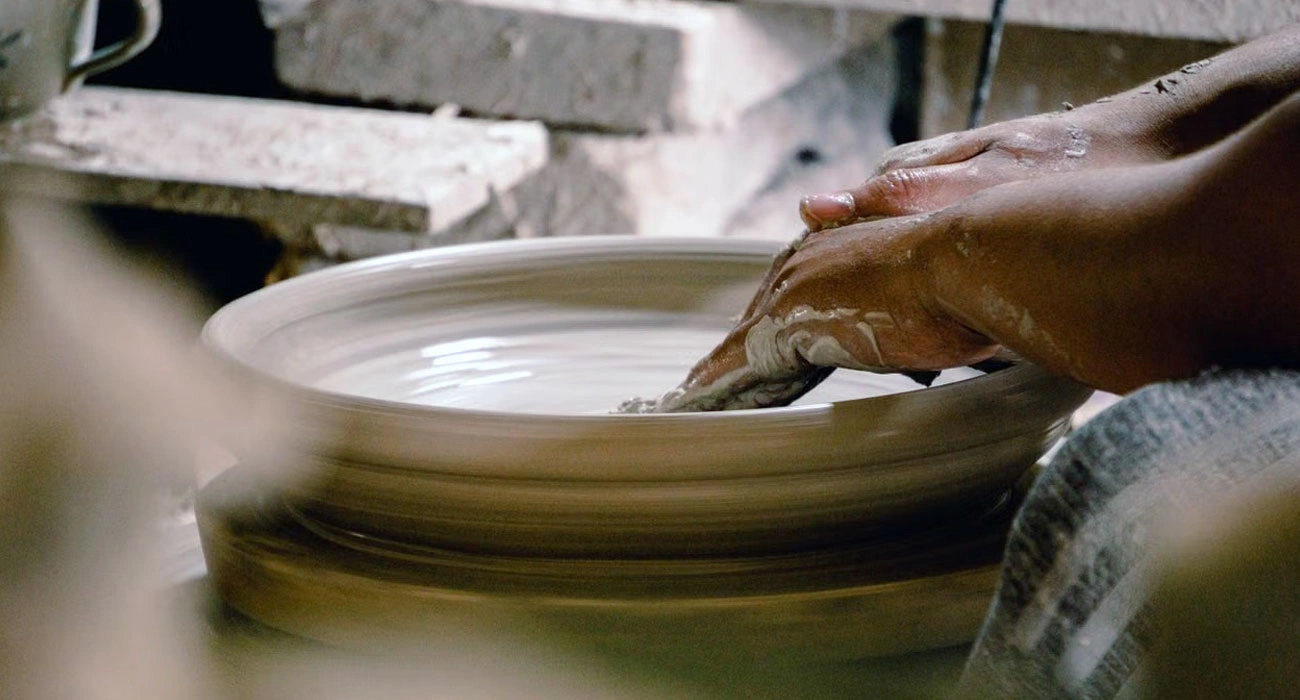
Craft is becoming a language of human creativity in an increasingly automated world.— Editorial synthesis based on current design exhibitions
The Value of Making Slowly
The craft renaissance is not merely about aesthetics; it encapsulates values of sustainability, individuality, heritage, and emotional ownership. In a fast-paced consumer culture, the act of making something by hand invites a slower, more thoughtful approach to creation and consumption. This shift emphasizes the importance of quality over quantity, allowing consumers to appreciate the time and effort invested in each piece. As a result, handmade design fosters a relationship between people and objects that is rooted in process, material knowledge, and cultural heritage. This new luxury is defined not just by the final product but by the journey of its creation.
The Human Touch Becomes the Luxury
The renewed appreciation for craftsmanship does not represent a rejection of technology. Instead, it reveals something more interesting: as machines become increasingly capable of producing images, products, and experiences at extraordinary speed, human knowledge and physical making can become more meaningful rather than less. A handmade object carries evidence of time, technique, and individual decision-making that cannot easily be replicated by automation. From London to Venice and beyond, the craft renaissance suggests that the future of luxury may be built not only around innovation, but around authenticity, cultural memory, and the irreplaceable value of the human touch. For BritishPEDIA, these stories capture an important dimension of contemporary culture—the ways people continue to reinvent tradition rather than simply leave it behind.
Categories
Tagged in this story
Image sources
Pexels - Photo by Marina M