
The Future of Performance May Depend More on Recovery Than Training
Written by Admin • 2026-05-28 01:51:00
The future of athletic performance is increasingly dependent on recovery, particularly sleep, rather than extreme training. As elite athletes and organizations invest in recovery science, a cultural shift emerges emphasizing that recovery is vital, not a weakness, leading to significant societal benefits.
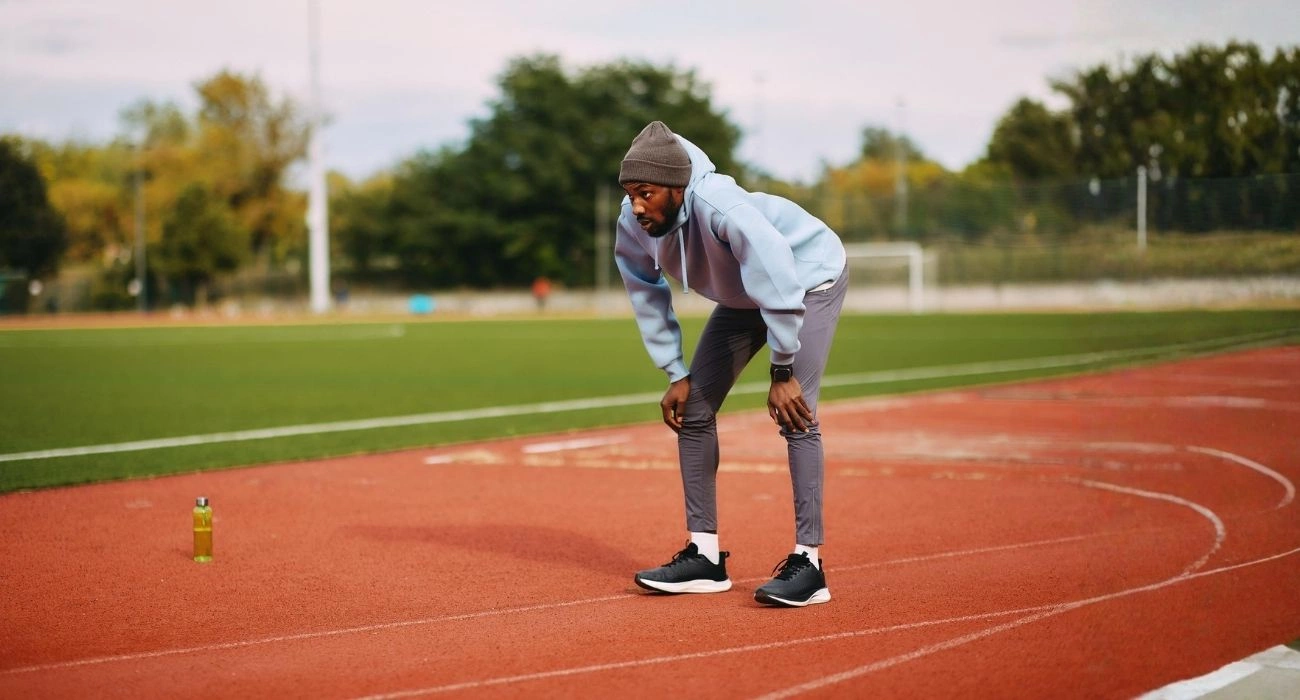
The Future of Performance: Recovery Over Training
Why sleep and recovery are becoming critical for athletic success.
A Shift in Sports Culture
For decades, sports culture emphasized extreme training, relentless discipline, and pushing the body beyond its limits. However, a significant shift is occurring as elite athletes, coaches, and sports scientists are now prioritizing recovery, particularly sleep. Across various sports, including football, basketball, Formula 1, and Olympic-level competitions, sleep optimization is rapidly becoming a vital component of athletic success. This transformation is reshaping the narrative around performance, suggesting that recovery might be as important, if not more so, than the training itself.
Organizations and athletes worldwide are investing heavily in sleep coaches, wearable recovery technology, and circadian rhythm analysis. Recent reports from reputable sources such as ESPN, BBC, and the International Olympic Committee underline the burgeoning importance of recovery science as a competitive advantage at the highest levels of sport. This evolution reflects a broader digital business transformation, where AI-powered analytics and biometric tracking are revolutionizing how athletes train, recover, and extend their careers.
The Impact on Society
Beyond professional sports, this growing emphasis on recovery is significantly influencing societal health conversations. It is changing public perceptions about burnout, productivity, and mental well-being. The sports industry is sending a powerful message: recovery is not a sign of weakness; it is an integral part of performance. As such, teams and researchers pioneering recovery science are emerging as crucial leaders in the realms of business innovation and human optimization.
This newfound awareness encourages healthier lifestyles and recovery practices among the general public. It also aims to combat the culture of overwork and digital exhaustion that permeates modern life. By advocating for recovery, athletes and organizations are not only enhancing their performance but also contributing positively to societal health and wellness.
Sleep is the most powerful legal performance-enhancing drug that most people are probably neglecting.— Matthew Walker
Facts & Insights
- Elite sports teams increasingly employ sleep specialists and recovery scientists.
- Sleep directly affects reaction time, injury recovery, focus, and endurance.
- Wearable recovery technology is rapidly expanding across professional sports worldwide.
Recent Developments in Recovery Science
Recent sports recovery reporting from ESPN highlights the increasing integration of recovery science into training regimens. This includes the adoption of advanced technologies that monitor and enhance recovery metrics.
Coverage from the BBC emphasizes sleep science and its pivotal role in athlete wellness, showcasing how sleep is being prioritized in training schedules. The International Olympic Committee has engaged in discussions surrounding human performance optimization, further validating the importance of recovery in sports.
75%
of elite athletes report improved performance with better sleep
60%
of sports teams have hired sleep specialists
Categories
Image sources
www.pexels.com