
The Future of Shopping May Belong to Stores That Stop Acting Like Stores
Written by Admin • 2026-05-22 03:49:00
The future of shopping is being reshaped as physical retail stores adapt to changing consumer behaviors and digital advancements. As stores transition into experience-driven destinations, they not only seek survival but also play a vital role in community engagement and local economies.
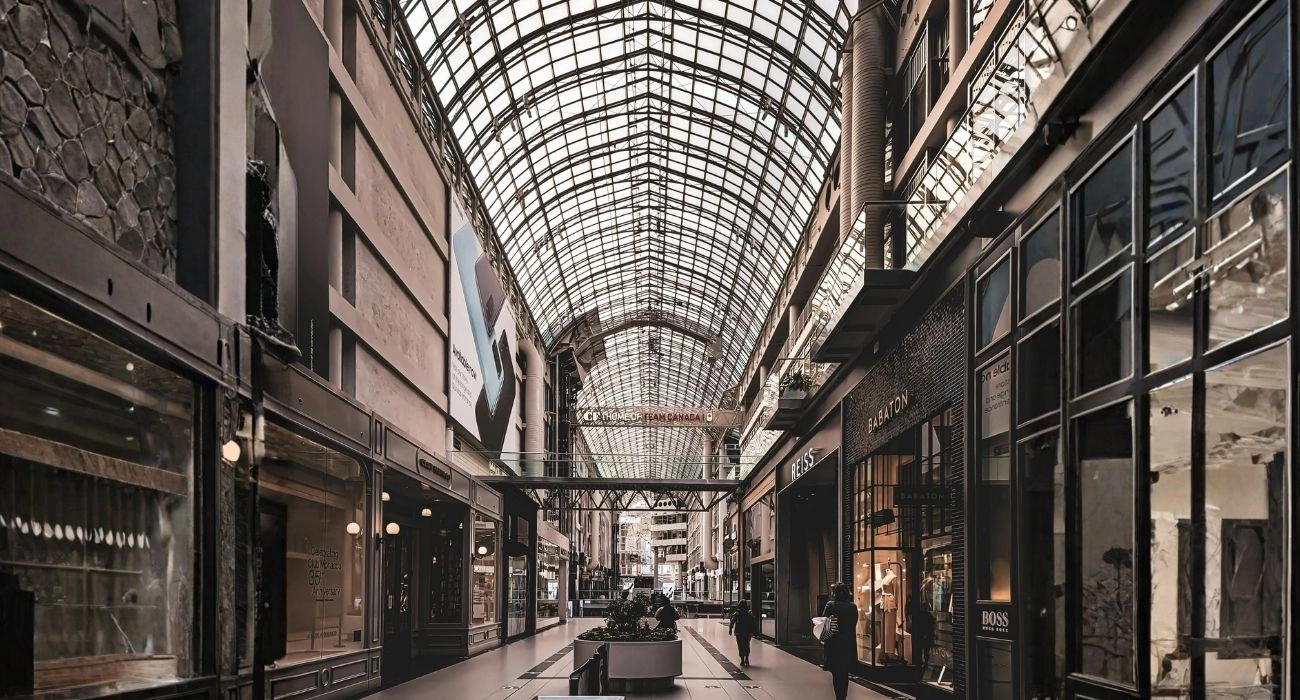
The Future of Shopping: Redefining Retail Spaces
How stores can thrive by transforming into experience-driven destinations.
The Shift in Retail Dynamics
For decades, physical retail stores were the heart of consumer culture, with shopping malls representing economic growth and community interaction. However, the rise of e-commerce and the advent of AI-driven personalization have disrupted this traditional paradigm. As shopping habits evolve, many offline retailers find themselves in a crisis, struggling not just for profit but for survival in an increasingly digital landscape. The urgent need for transformation in the retail industry is evident across the globe, as stores adapt to meet the demands of modern consumers.
As retailers from the United States to Asia and Europe face this daunting challenge, many are restructuring their operations. Downsizing locations and investing heavily in digital integration are now common strategies. Reports from credible sources like Bloomberg, CNBC, and Forbes indicate that inflation, changing consumer preferences, and the growth of online shopping are reshaping spending patterns and pushing retailers to innovate. The future of shopping may belong to those who can transform their spaces into destinations that offer more than just products.
Reinventing the Retail Experience
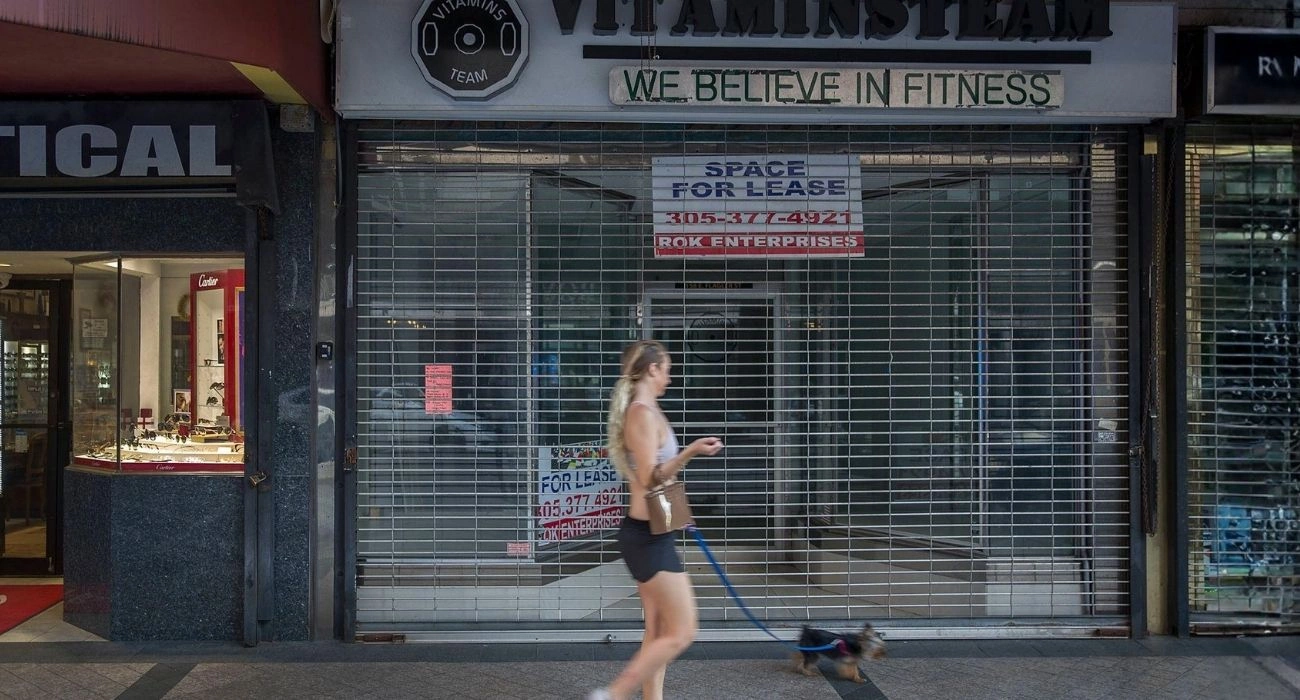
To survive, physical stores must evolve beyond mere transactional spaces. Successful retailers are increasingly blending technology, entertainment, and community engagement into their physical environments. This shift towards experience-driven shopping not only enhances consumer satisfaction but also fosters loyalty. Stores that embrace this new model are not just selling products; they are creating immersive experiences that resonate with customers' desires for connection and personalization.
The societal implications of this transformation are profound. Physical stores play a crucial role in job creation, supporting local economies, and providing essential human interactions. As they reinvent themselves, these retailers are not merely adapting to market demands but are also shaping urban communities and social behaviors. The disappearance of traditional stores could lead to a significant shift in how we interact with our cities and each other, making the need for innovation in retail more critical than ever.
It is not the strongest of the species that survive, but the one most responsive to change.— Charles Darwin
Facts & Insights
- E-commerce continues gaining market share globally across nearly all retail sectors.
- Younger consumers increasingly prioritize convenience and experience over traditional shopping.
- Hybrid retail models combining digital and physical experiences are rapidly expanding worldwide.
60%
of consumers prefer shopping experiences over traditional retail.
40%
increase in foot traffic for stores offering interactive experiences.
Categories
Image sources
www.pexels.com