
The Most Future-Ready Companies Are Planning for Multiple Futures
Written by Admin • 2026-06-11 02:44:00
In a rapidly changing world, companies are increasingly recognizing the need for scenario planning to prepare for multiple futures. This approach not only enhances corporate resilience but also provides stability for stakeholders amidst uncertainty.
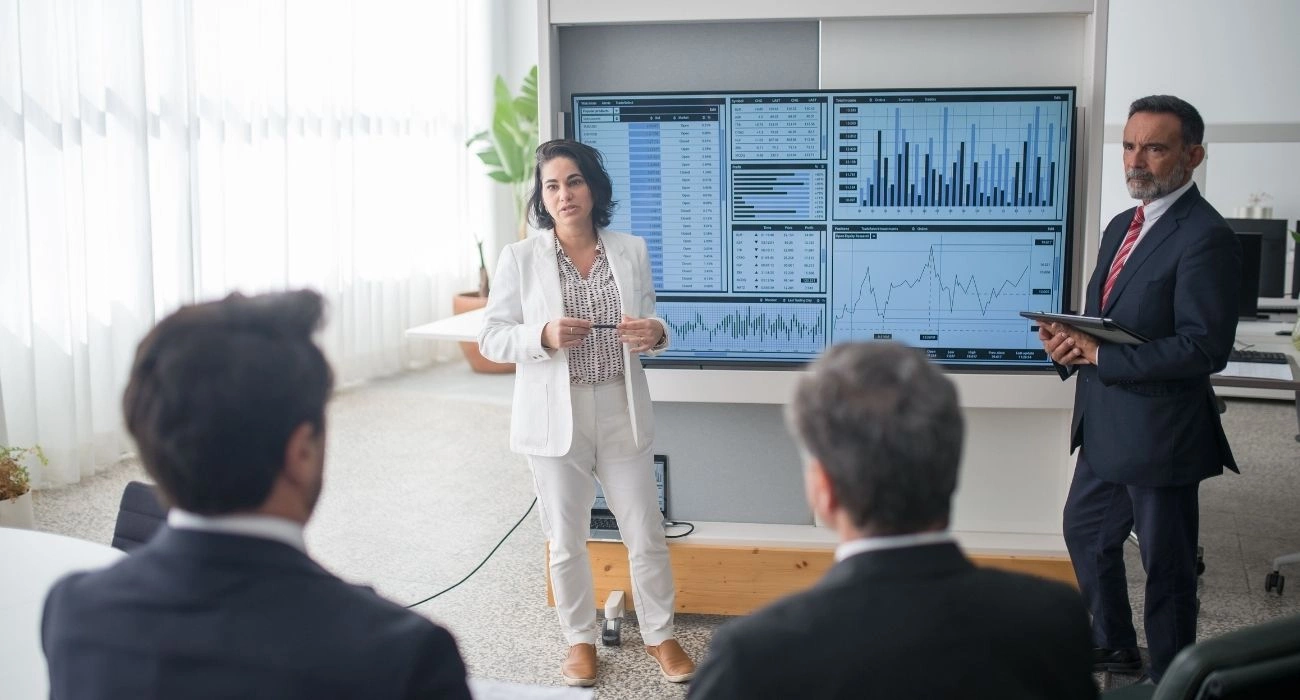
The Most Future-Ready Companies Are Planning for Multiple Futures
Adapting to an uncertain world through scenario planning
The Need for Scenario Planning
In an era defined by rapid technological change, geopolitical uncertainty, and shifting consumer expectations, organizations are finding that predicting a single future is no longer enough. Traditional forecasting methods often fail to account for the complexities and unpredictability of today's business environment, leading to a growing recognition of the need for more dynamic planning approaches.
Forward-thinking companies are adopting scenario planning to prepare for multiple possible outcomes. This strategic practice allows organizations to visualize various futures, making it easier to adapt to changes as they arise. By building flexibility into decision-making, operations, and long-term investments, these companies position themselves to navigate disruption effectively.
Benefits of Preparing for Multiple Futures
Adopting a scenario planning approach not only enhances organizational resilience but also fosters stability for employees, customers, and stakeholders. Companies that engage in this practice are better equipped to manage risks associated with uncertainty, ensuring that they can maintain operations even amidst upheaval. This proactive stance helps to cultivate trust and loyalty among stakeholders.
Furthermore, by preparing for various outcomes related to technology, regulation, climate, and geopolitical developments, businesses can diversify their operations and sourcing strategies. This adaptability is crucial in today’s global marketplace, where supply chains are increasingly affected by geopolitical shifts and economic instability.
Scenario planning has become a core strategic practice among many Fortune 500 companies.— Industry Expert
Facts & Insights
- Scenario planning has become a core strategic practice among many Fortune 500 companies. Global supply chain disruptions over recent years have encouraged organizations to diversify operations and sourcing strategies.
- Businesses increasingly prepare for multiple outcomes related to technology, regulation, climate, and geopolitical developments.
3+
Future scenarios modeled by leading organizations
70%
Executives cite uncertainty as a key challenge
Global
Supply chains affected by geopolitical shifts
1
Strategy — Prepare for multiple futures
A Broader Perspective
The future has always been uncertain, but the pace of change today makes adaptability more important than ever. Organizations that prepare for multiple possibilities are not attempting to predict exactly what comes next; they are building the capacity to respond thoughtfully when change arrives. In a world where disruption can emerge from technology, geopolitics, or shifting consumer expectations, flexibility may become one of the most valuable assets an organization can possess.
Categories
Image sources
www.pexels.com