
The New Age of Botanical Design: How Nature Is Transforming Modern Interiors
Written by Admin • 2026-08-03 01:13:00
Botanical design is revolutionizing modern interiors by integrating natural elements to enhance well-being and sustainability. This approach not only beautifies spaces but also promotes healthier living environments, reflecting a growing appreciation for nature in our daily lives.
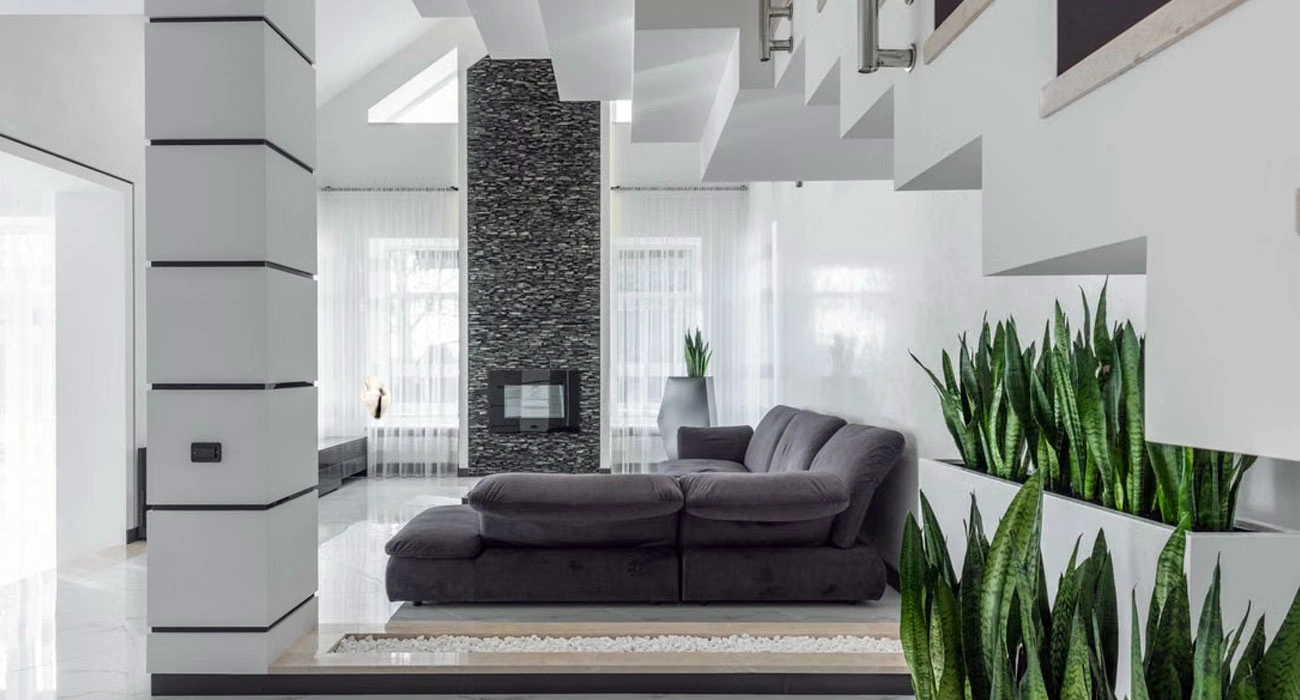
The New Age of Botanical Design
How Nature Is Transforming Modern Interiors
Embracing Nature in Interior Spaces
Modern interiors are evolving beyond aesthetics to prioritize human well-being. Botanical design combines natural materials, living plants, and organic textures to create spaces that feel both calming and functional. This growing movement reflects a broader appreciation for sustainability and the psychological benefits of connecting with nature indoors. As homes and workplaces continue to evolve, botanical design is becoming a defining feature of contemporary architecture.
Interior design increasingly incorporates natural elements to improve well-being and create healthier living environments. By integrating biophilic design principles, such as the use of plants and natural light, designers can transform ordinary spaces into vibrant, life-affirming environments. This approach not only enhances the visual appeal of a space but also plays a crucial role in fostering a sense of connection to nature, which can significantly boost mental health and productivity.
The Principles of Botanical Design
Botanical design is rooted in four core values: natural living spaces, modern interior trends, sustainable material choices, and wellness-centered human design. By focusing on these values, designers can create interiors that are not only beautiful but also nurturing and restorative. The integration of various plant species, natural textures, and eco-friendly materials results in spaces that invite tranquility, creativity, and a sense of community.
Furthermore, the inclusion of greenery in interiors can enhance air quality and reduce stress levels, making it a vital aspect of wellness-focused design. Designers are increasingly recognizing the importance of creating nurturing environments that promote well-being, leading to a surge in demand for botanical-inspired interiors across residential and commercial sectors.
Nature remains one of the world's greatest designers.— Anonymous
Facts & Insights
- Biophilic design incorporates natural elements into indoor environments.
- Indoor greenery can contribute to more inviting and comfortable spaces.
- Designers increasingly combine sustainability with wellness-focused interiors.
75%
of people report feeling happier in spaces with plants
50%
reduction in stress levels when surrounded by nature
30%
increase in productivity in biophilic office environments
1
Goal: Human-Centered Design
The Impact of Botanical Design
Nature-inspired interiors promote healthier environments while encouraging more sustainable design practices. As the world increasingly recognizes the importance of environmental stewardship, the demand for botanical design continues to grow. This trend not only reflects a shift in aesthetic preferences but also signifies a deeper understanding of how our surroundings affect our mental and physical health.
In conclusion, botanical design reminds us that beautiful spaces are not only visually appealing—they also nurture comfort, creativity, and everyday well-being. By prioritizing natural elements and sustainable practices, we can create interiors that resonate with our innate connection to nature, ultimately fostering environments that enhance our quality of life.
Categories
Tagged in this story
Image sources
Pexels - Photo by Max Vakhtbovych