
The New Corporate Superpower Isn’t Size. It’s Resilience.
Written by Admin • 2026-05-21 07:38:00
In a world increasingly defined by geopolitical instability, corporate resilience is emerging as a critical factor for success. Companies are shifting their focus from mere growth to adaptability, investing in technologies and strategies that ensure stability and continuity in uncertain times.
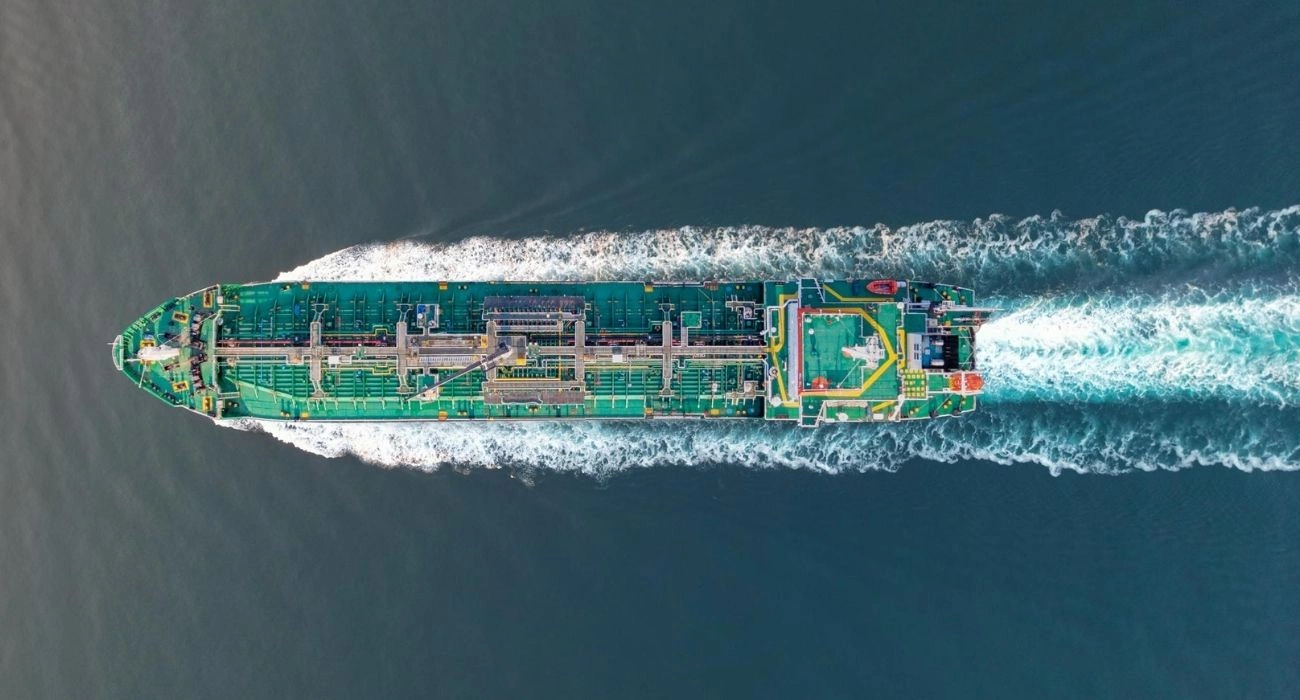
The New Corporate Superpower Isn’t Size. It’s Resilience.
In an era of uncertainty, adaptability becomes the cornerstone of business success.
The Shift from Growth to Resilience
For decades, corporate success was primarily measured by scale, speed, and expansion. However, as geopolitical instability reshapes the global economy, a new reality is emerging: resilience may now matter more than growth alone. The rising concerns surrounding the Strait of Hormuz are forcing enterprises worldwide to rethink how they operate, source products, manage logistics, and prepare for disruption. This transition indicates a paradigm shift where survival itself is becoming one of the defining global transformation stories of modern business leadership.
The possibility of shipping disruptions, rising energy costs, and volatile trade conditions has accelerated investments in digital infrastructure, predictive logistics, and regional sourcing. Companies are increasingly prioritizing flexibility over efficiency alone. According to insights from CNBC, Bloomberg, and the World Economic Forum, this reflects a critical digital business transformation where firms are shifting from reactive crisis management toward proactive resilience strategies designed for long-term uncertainty.
The Societal Role of Resilient Enterprises

Beyond corporate performance, resilient enterprises play a significant societal role by protecting jobs, stabilizing supply chains, and maintaining access to essential goods during periods of global tension. Businesses capable of adapting to geopolitical volatility are not merely viewed as successful; they are recognized as pillars of economic continuity. In this context, the situation in the Hormuz Strait is redefining who qualifies as true business innovation leaders in an era where uncertainty has become a permanent fixture.
It is not the strongest who survive, but the most adaptable.— Charles Darwin
Contributions to Economic Stability
Resilient companies are crucial in safeguarding economic stability. They offer strategies that not only help in sustaining their operations but also contribute positively to the broader economic landscape. By supporting employment continuity during crises, these businesses help mitigate the impacts of economic downturns and maintain consumer confidence.
Furthermore, resilient enterprises encourage smarter and more sustainable enterprise systems. This involves investing in technologies and processes that promote sustainability, ensuring that business practices are not just profitable but also environmentally responsible. Such initiatives can lead to long-term benefits for both the business and society.
Facts & Insights
- Global enterprises are increasing investments in AI-based logistics and risk analysis systems.
- Energy price instability directly impacts manufacturing, transportation, and food sectors worldwide.
- Corporate resilience strategies are becoming central to long-term business survival planning.
70%
of companies are prioritizing resilience over efficiency
$2 trillion
investment in digital infrastructure by 2025
Categories
Image sources
www.pexels.com | AI generated image