
The Olympic Reset: Why Brisbane 2032 Could Redefine What Belongs at the Games
Written by Admin • 2026-09-11 01:21:00
Brisbane 2032 could redefine the Olympic Games by embracing new sports and reflecting the changing dynamics of global audiences. This evolution aims to engage younger generations while preserving the traditions that have made the Olympics iconic.
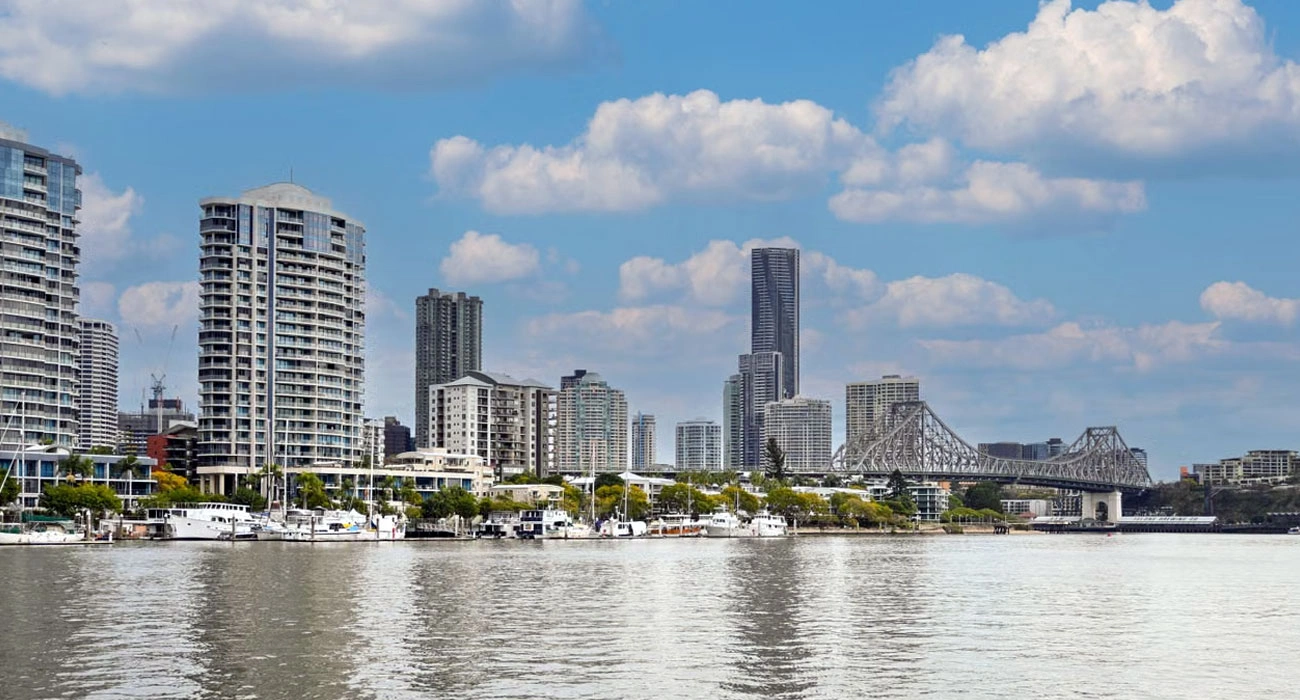
The Olympic Reset: Why Brisbane 2032 Could Redefine What Belongs at the Games
Exploring the future of Olympic sports and the evolution of the Games.
The Olympics Have Always Changed
The Olympic Games have a long history of adaptation, reflecting societal changes and evolving sporting practices. From the introduction of new sports to the inclusion of more diverse athletes, each iteration of the Games has mirrored the world around it. This ongoing evolution is crucial as the Games strive to remain relevant in an ever-changing global landscape. As we look towards Brisbane 2032, it becomes clear that the Olympic programme must continue this trend, embracing sports that resonate with contemporary audiences while honoring its rich heritage.
Past Olympic Games have seen major shifts, including the addition of events like skateboarding and surfing, which cater to younger audiences and reflect modern athleticism. These changes are not merely cosmetic; they signify a broader understanding of what the Games can represent. The challenge for Brisbane 2032 will be to find the right balance between tradition and innovation, ensuring that the Olympics remain a celebration of athletic excellence while also appealing to a new generation of viewers.
Why Brisbane Is Different
Australia's rich sporting culture positions Brisbane uniquely to redefine the Olympic experience. With a history of successful international sporting events, the country has a strong foundation for fostering new ideas and incorporating diverse sports into the Olympic programme. Brisbane 2032 represents not just an opportunity to showcase Australian athletes but also to embrace sports that have traditionally been overlooked at the Olympics. This could set a precedent for future Games and influence how sports are perceived globally.
The city’s vibrant atmosphere and commitment to inclusivity are essential as the Olympic movement seeks to engage younger audiences. By showcasing sports like cricket, lacrosse, and netball, Brisbane can tap into the cultural fabric of Australia and the aspirations of its youth. This approach aligns with the International Olympic Committee's aim to modernize the Games, ensuring they resonate with an increasingly diverse global audience.
The Sports Waiting at the Door
Cricket, lacrosse, and netball are at the forefront of the discussion regarding new sports for the Brisbane 2032 Olympic programme. Each sport brings its unique appeal and fan base, advocating for inclusion based on their global popularity and the potential to engage younger viewers. Cricket, in particular, has a storied history and a significant following, especially in Commonwealth nations. Lacrosse and netball also represent growing sports that could enhance the Games' diversity.
The inclusion of these sports would not only reflect changing audience preferences but also open avenues for funding and infrastructure development in less represented areas. As the IOC revises its evaluation methodology, factors like global appeal and inclusivity will play a crucial role in determining which sports earn a place in the Olympic programme. This creates an exciting opportunity for Brisbane 2032 to lead the way in redefining the Games.
The Games have to remain relevant to the world watching them.— Editorial paraphrase of recent arguments for Olympic programme modernization
Tradition vs. Relevance
The tension between tradition and relevance is a pivotal theme as Brisbane prepares for the 2032 Games. Heritage sports have long been the backbone of the Olympics, but as global audiences evolve, so too must the Games. This duality is reflected in current discussions about which sports should remain and which should be added. The challenge lies in maintaining the integrity of traditional events while also embracing emerging sports that reflect contemporary interests.
As the Olympic movement looks to the future, it must consider how to engage diverse audiences without alienating long-time fans. Balancing the nostalgia of established sports with the excitement of new additions is key to ensuring the Games remain a celebration of athleticism that reflects the world in which we live. Brisbane 2032 could serve as a case study in how the Olympics can adapt to remain relevant while honoring its storied past.
Facts & Insights
- Brisbane will host the Summer Olympics in 2032, making it the third Australian city to host the Games.
- Cricket, lacrosse and netball are among the sports seeking inclusion in the Brisbane programme. ention to factors including global appeal and inclusivity.
- The IOC has revised its methodology for evaluating sports, with greater att
2032
Brisbane Olympic year
3rd
Australian Olympic host city
5+
Sports currently part of inclusion debate
Global
Audience and participation model
The Olympics as a Living Institution
The longevity of the Olympic Games hinges on their ability to adapt and evolve. As the world continues to change, so too must the Games if they are to maintain their status as a premier global sporting event. The ongoing discussions around Brisbane 2032 highlight the necessity for the Olympics to embrace new sports and perspectives. By doing so, the Games can inspire future generations and ensure their relevance in a rapidly shifting cultural landscape.
In cultivating a broader representation of sports, the Olympic programme can influence which disciplines receive international visibility, funding, and infrastructure support. This evolution not only benefits the athletes involved but also encourages younger generations to participate in sports that may have previously been underrepresented on the global stage. Brisbane 2032 could thus serve as a transformative moment for the Olympics, one that emphasizes inclusivity and diversity.
The Games Must Keep Moving
The strength of the Olympic Games has never depended on remaining exactly the same. Their history is defined by change: new sports, new nations, new athletes, and new audiences have continually expanded the meaning of the event. Brisbane 2032 now offers another opportunity to continue that evolution. Whether cricket, lacrosse, netball, or other sports eventually enter the programme, the broader conversation is already valuable because it asks what global sport should represent in the decades ahead.
The Olympics remain powerful precisely because they can evolve while preserving their central promise—bringing athletes and audiences together on the world's biggest sporting stage. As the world watches Brisbane 2032, the legacy of the Games will be shaped by how they adapt to meet the needs and aspirations of a new generation, ensuring that they remain a relevant and inspiring celebration of athletic excellence.
Categories
Tagged in this story
Image sources
Pexels - Photo by manvinder social