
The Power of Being There: Why Live Experiences Matter More in the Digital Entertainment Economy
Written by Admin • 2026-11-18 01:58:00
Topics
The article explores the significance of live experiences in the evolving global creative economy, highlighting recent trends that show the increasing importance of live entertainment alongside digital distribution. With data indicating a rise in live collections, it argues for a balanced approach to creator rights and remuneration in this changing landscape.
The Power of Being There: Why Live Experiences Matter More in the Digital Entertainment Economy
Exploring the pivotal role of live entertainment in shaping the global creative economy.
Entertainment Beyond the Screen
The Human Connection Behind Live Entertainment
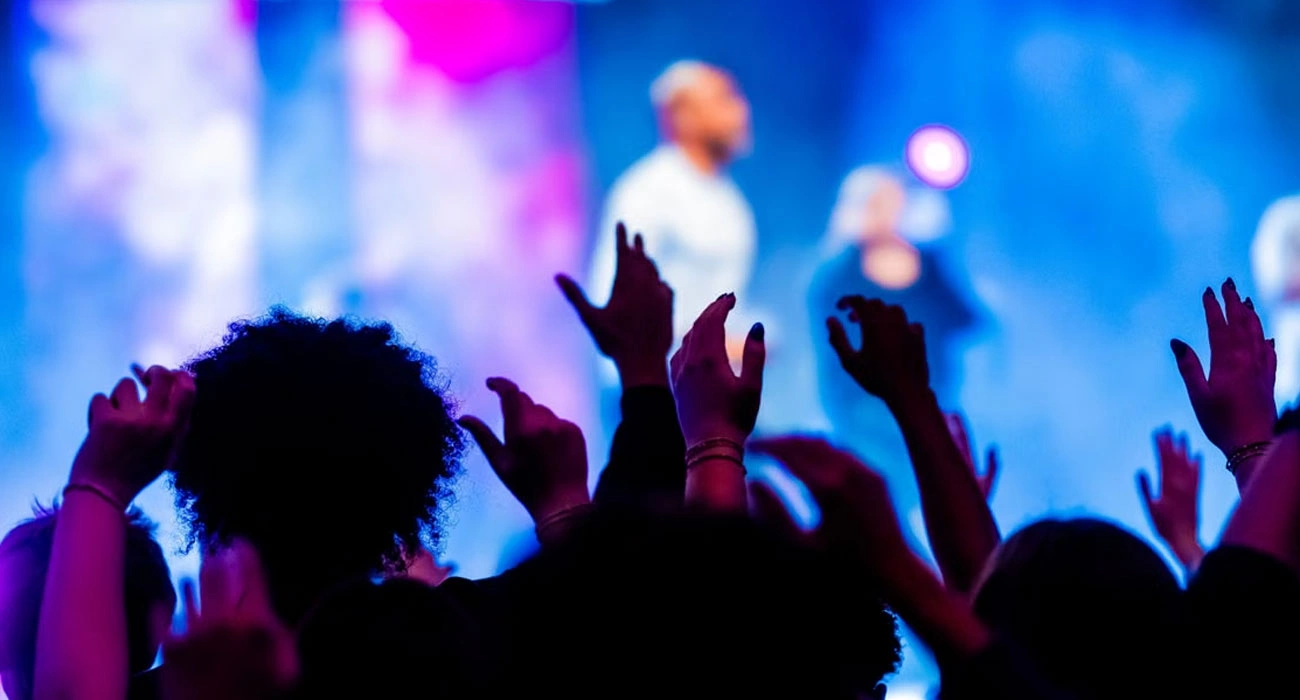
One of the defining strengths of live entertainment is its ability to create a shared experience. Unlike recorded content, live performances bring artists and audiences together in a specific moment, where atmosphere, interaction and spontaneous reactions become part of the experience itself.
For audiences, attending a concert, theatre production or cultural event can create a stronger emotional connection with the performers and with other people who share similar interests. For artists, these occasions provide opportunities to engage directly with their communities and understand how their work is received.
This human connection helps explain why digital distribution and live experiences can complement rather than replace one another. Online platforms make creative work accessible to wider audiences, while in-person events offer a distinct form of participation that cannot be fully reproduced through a screen.
The Changing Sources of Creators' Income
Technology can bring creative work to the world, but shared experiences give audiences a reason to come together.— Inspiring Circle Editorial Team
Why Live Experiences Create Wider Economic Value
However, the growth of live entertainment requires careful planning, especially regarding accessibility, safety, and the environmental impact of large gatherings. Sustainable practices must be integrated into event organization to ensure that the economic benefits are distributed fairly across the industry and that the creative economy flourishes.
Digital platforms can further strengthen this ecosystem by helping organisers promote events, reach international audiences and maintain engagement before and after performances. Social media, streaming content and online communities can extend the visibility of a live event beyond its physical location, creating additional opportunities for artists and commercial partners.
However, sustainable growth also requires attention to affordability, accessibility and fair compensation. A successful entertainment economy should create value for audiences, performers, organisers and the wider network of professionals who make each event possible.
Beyond Ticket Sales: Supporting the Creative Economy
The economic contribution of live entertainment extends well beyond ticket revenue. Events create demand for a wide network of professionals, including sound engineers, lighting technicians, stage designers, photographers, security teams, transport providers and hospitality businesses.
For independent creators and smaller cultural organisations, live events can also provide opportunities to build audiences, establish partnerships and develop new sources of income. Local venues and cultural spaces become important meeting points where creative professionals can collaborate and present their work to new communities.
The wider impact depends on how these opportunities are distributed. Supporting local suppliers, providing fair working conditions and creating accessible spaces for emerging talent can help ensure that the economic benefits of live entertainment reach beyond major performers and established organisations.
- CISAC reported that global creator royalty collections reached €15.5 billion in 2025, an increase of 11.3%.
- Live and background collections reached €3.87 billion, overtaking television and radio as the second-largest income source in the report.
- Live music collections reached €1.4 billion in 2025, increasing by 14.9%.
The future of the creative economy will not be defined by digital distribution alone. As technology continues to expand access to music, performances and cultural content, live experiences will remain an important part of how people connect with creativity and with one another. The opportunity lies in building a balanced ecosystem where digital reach supports physical experiences, creators receive fair recognition for their work, and local communities benefit from cultural and economic activity. Ultimately, the value of live entertainment is measured not only by its commercial success, but also by the connections and experiences it creates.
Categories
Tagged in this story
Image sources