
The Return of the Railway Journey: Why Train Travel Is Finding New Global Appeal
Written by Admin • 2026-11-20 01:38:00
Rail travel is experiencing a renaissance as it meets the evolving desires of modern travellers seeking meaningful experiences. This article delves into the growth of global rail travel, highlighting the increasing passenger traffic, the importance of railway infrastructure, and the potential for creating memorable journeys that connect destinations and communities.
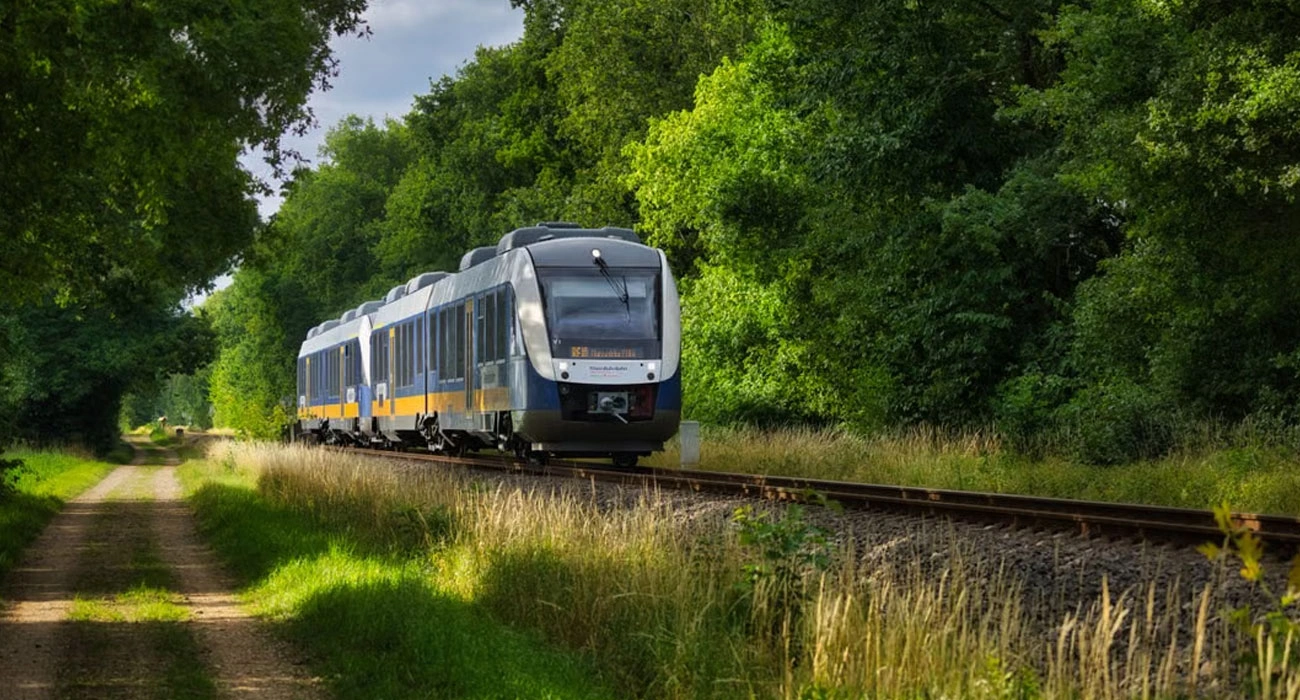
The Return of Rail Travel: A New Era for Global Tourism
Explore the renewed appeal of international rail travel, from luxury train journeys to expanding passenger networks and changing travel preferences.
A Different Way to Experience the Journey
For generations, railways have connected cities, regions, and countries. While aviation and road transport transformed modern mobility, train travel has retained a distinctive appeal: the opportunity to experience landscapes, communities, and destinations along the way. Today, rail travel is attracting renewed attention from travellers who value comfort, convenience, and the experience of the journey itself. From high-speed connections between major cities to scenic routes across mountains and countryside, railways offer a variety of ways to explore the world.
Rail travel also offers a different perspective on how people experience distance. Unlike air travel, where the journey is often focused on reaching a destination as quickly as possible, trains allow passengers to observe changing landscapes, discover smaller towns and experience the transition between regions. This slower pace can become part of the attraction, particularly for travellers seeking more meaningful and less rushed experiences.
From Everyday Transport to a Travel Experience
Railways serve different purposes across the global tourism market. For some travellers, trains provide practical connections between cities and regional destinations. For others, the journey itself becomes a central part of the holiday. Scenic routes, sleeper trains, and premium rail services illustrate how railway operators can create experiences that go beyond conventional transportation. Travellers may choose a train journey because of its views, onboard atmosphere, historical character, or the opportunity to explore several destinations without repeatedly changing transport modes.
This shift is closely connected to the growing appeal of slow travel. Rather than organising a trip around the number of destinations visited, travellers can place greater value on the quality of the journey itself. Scenic routes, overnight services and journeys connecting historic cities can become meaningful parts of a travel itinerary. For tourism businesses, this creates opportunities to develop rail-based packages that combine transportation, accommodation and local experiences.
Sometimes, the journey becomes as meaningful as the destination itself.— Unknown
The Infrastructure Behind Rail Growth
The appeal of rail travel depends on more than passenger interest. Reliable services require modern infrastructure, effective scheduling, accessible stations, comfortable rolling stock, and cooperation between transport operators. Cross-border travel presents additional challenges. Different ticketing systems, service standards, languages, and national regulations can complicate international journeys. Improving connections between railway networks can help make journeys easier to plan and more attractive to international visitors. The passenger experience also depends on how effectively different parts of the rail network work together. Convenient connections between regional and international services, clear passenger information and accessible stations can make rail journeys easier to plan. Without these supporting elements, even attractive routes may struggle to become practical alternatives for longer-distance travel. Digital booking systems and better passenger information also play an important role in enhancing the overall travel experience
- Passenger traffic among reporting UIC railway companies increased by approximately 4.5% in 2025.
- Indian Railways recorded passenger traffic growth of 7.7% between 2024 and 2025.
- International spending on rail tours rose 59% between 2019 and 2024 in Visa's analysis of selected rail companies and travel agencies.
The Next Chapter of Rail Tourism
Categories
Tagged in this story
Image sources