
The Right to Repair: How Fixing Products Is Reshaping Business
Written by Admin • 2026-10-16 01:01:00
The EU's right-to-repair rules are strengthening consumer options and challenging manufacturers to rethink product design, spare parts and after-sales services.
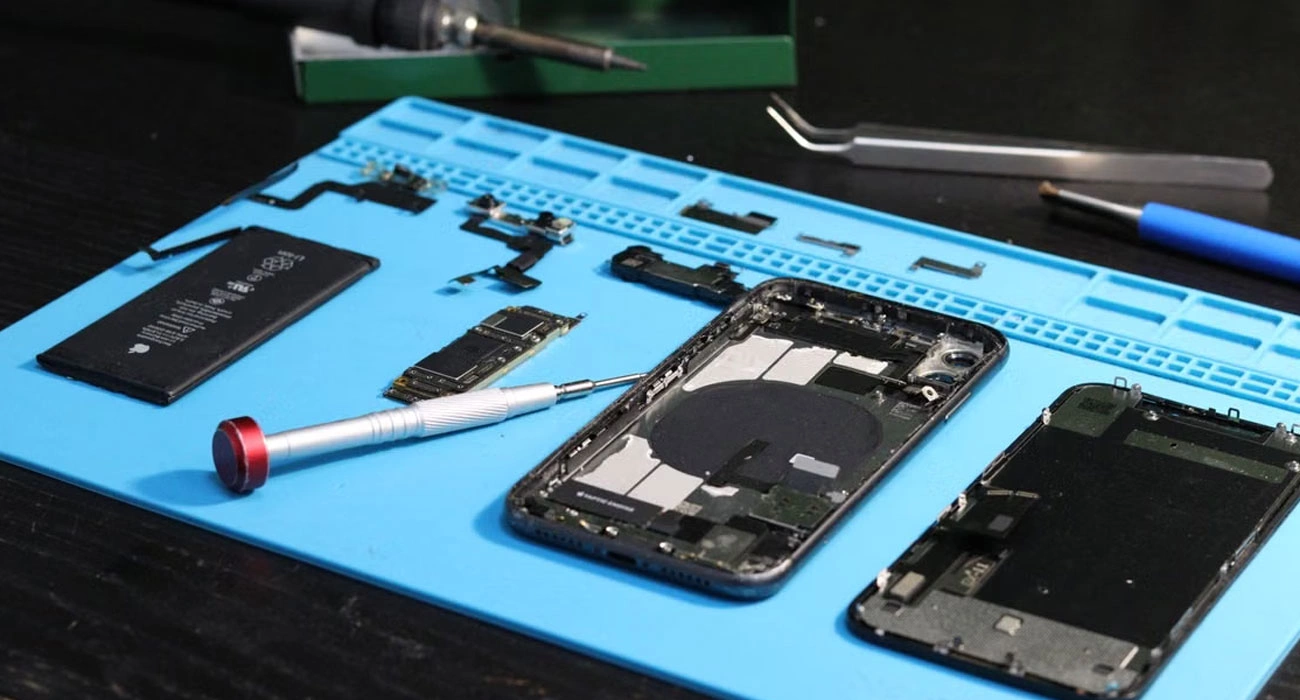
The Right to Repair: How Fixing Products Is Reshaping Business
Exploring the impact of EU regulations on consumer rights and product design.
The Right to Repair in the EU
When a phone battery deteriorates or a household appliance stops working, consumers often face a choice between paying for a repair and buying something new. The decision hinges on various factors, including the cost of repair, the availability of spare parts, access to repair information, and the presence of qualified technicians. The European Union's right-to-repair rules, set to take effect on 31 July 2026, aim to facilitate repairs for products eligible under EU law. This initiative is designed to empower consumers while imposing new obligations on manufacturers and service providers.
By mandating that products meet certain repairability requirements, the EU not only enhances consumer choice but also prompts manufacturers to rethink their design strategies. The shift from viewing repairs as an after-sales service to an integral aspect of product design raises important questions: How will businesses adapt their product lines to prioritize longevity, and what impact will this have on the circular economy?
Innovation is not only about creating something new; it is also about making what already exists last longer.— Editorial Insight
Key Developments and Implications
Facts & Insights
- The EU right-to-repair rules began applying on 31 July 2026.
- The framework covers repair obligations and information for products specified under relevant EU law; requirements are not identical for every product.
- The European Commission estimates that the rules could generate €4.8 billion in growth and investment, and expects a European online repair platform to become operational in 2027.
The Value of Making Things Last
The push for better repairability can have significant societal benefits. It can help consumers extend the life of their products, reduce unnecessary replacements, and support businesses that specialize in maintenance, refurbishment, and repair services. The actual benefits will depend on how effectively the regulations are implemented, the affordability of repair services, and the accessibility of reliable repair options.
Repairability transforms sustainability into a practical business consideration. Products designed for longevity not only retain value for consumers but also open up new avenues for service providers. As regulations evolve, businesses that account for the entire product life cycle will be better equipped to thrive in this changing landscape.
BritishPEDIA's exploration of innovation emphasizes the importance of not just creating new inventions but also developing systems that ensure progress remains beneficial over time.
31/07/26
Rules began applying
+12
months: legal-guarantee extension
€4.8 billion
Projected growth and investment in the EU
2027
Expected launch of the European online repair platform
Categories
Tagged in this story
Image sources
Pexels - Photo by Fotografia Lui Vlad