
The Right to Repair: Why Product Longevity Is Becoming a Business Advantage
Written by Admin • 2026-11-23 01:11:00
The right to repair movement is reshaping consumer expectations around product durability and access to repair services. As regulations evolve, businesses that prioritize product longevity can gain a competitive edge while fostering stronger relationships with consumers.
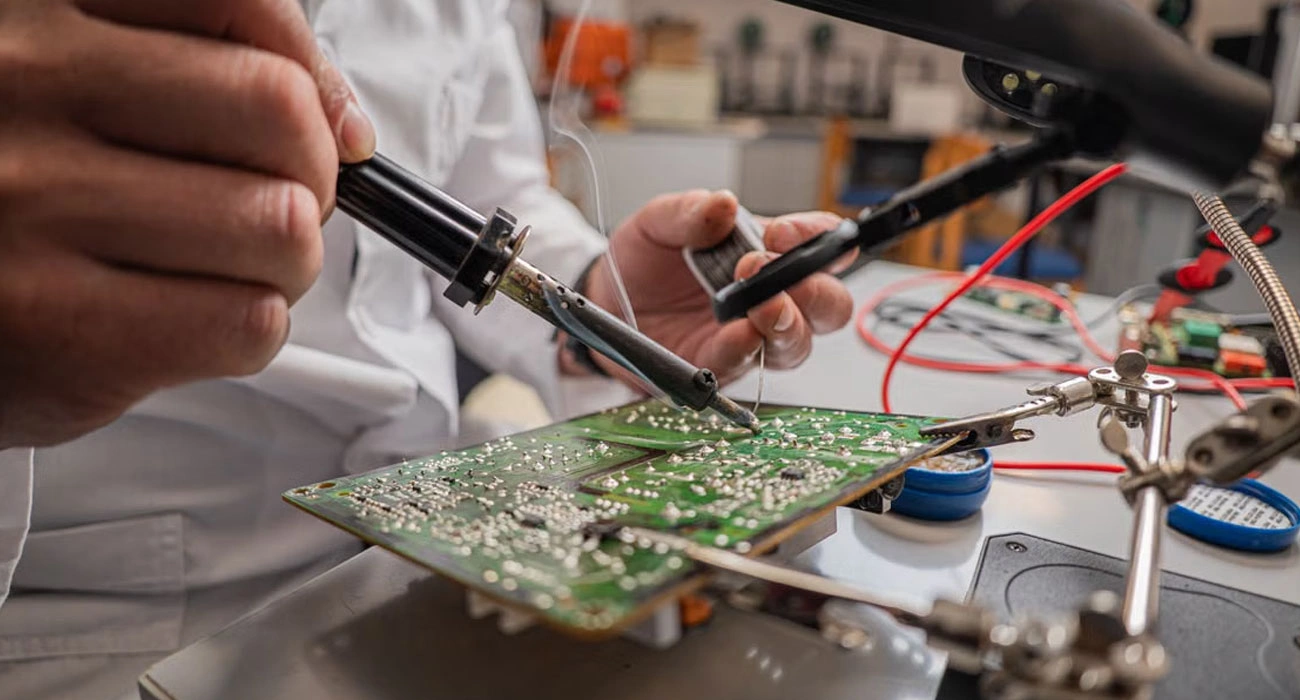
The Right to Repair: Why Product Longevity Is Becoming a Business Advantage
Exploring the evolving landscape of consumer rights and business strategies.
The Changing Landscape of Repair Expectations
As regulatory frameworks evolve, particularly within the European Union, product longevity is becoming a competitive edge for manufacturers, retailers, and service providers. The recent EU rules mandate that certain products must be repairable, marking a significant change in the responsibilities of manufacturers. This evolving landscape creates opportunities for businesses that can effectively extend the life of their products through repair and maintenance services. This shift is also changing how consumers evaluate brands. Product durability, access to replacement parts and the availability of reliable repair services are becoming part of the overall customer experience. For manufacturers, this means that product design and after-sales support can influence purchasing decisions long after the initial sale. Businesses that communicate clearly about repair options may be better positioned to build customer confidence and long-term loyalty.
Understanding the Right to Repair
Product value should not end at the point of purchase. It should continue through every year the product remains useful.— Industry Expert
Business Opportunities in a Repair Economy
The rise of the repair economy creates new business opportunities across the value chain. Manufacturers can design products that are easier to maintain, while retailers can provide repair services and maintenance plans. This shift allows independent repair businesses to flourish, as they gain better access to parts and information necessary to assist consumers in prolonging the life of their products. Businesses that embrace this model can forge longer-lasting relationships with customers by offering services that extend beyond the initial sale. The opportunity extends beyond traditional repair shops. Retailers can introduce collection and repair programmes, manufacturers can establish authorised service networks, and specialist businesses can develop refurbishment services for products that still have significant usable life. These activities create additional touchpoints with customers while opening opportunities for recurring service revenue.
Challenges in Making Repair Accessible
Despite its potential, the repair economy faces several practical challenges. Repair costs, limited availability of spare parts and the complexity of modern product design can make some repairs less attractive than purchasing replacements. Businesses must also maintain technical standards, ensure component quality and provide reliable service across different product categories.
For manufacturers operating internationally, adapting to changing regulations can require adjustments to product development, documentation and after-sales operations. The challenge is not simply to make products repairable, but to ensure that repair services are accessible, affordable and dependable for consumers.
- The EU's Right to Repair rules began applying on 31 July 2026.
- Choosing repair instead of replacement during the relevant legal guarantee period can extend the seller's liability period by at least 12 months.
- The European Commission estimates that the new rules could generate €4.8 billion in growth and investment in the EU.
Looking Ahead: The Future of Product Longevity
The right to repair represents a broader shift in how businesses create and deliver value. As product longevity becomes an increasingly important consumer expectation, companies that invest in repairability, reliable services and transparent product policies may gain a stronger competitive position. Ultimately, the future of business will not be measured only by how many products companies sell, but also by how responsibly they support those products throughout their lifecycle.
Categories
Tagged in this story
Image sources