
The Subscription Economy's Next Test: Earning Everyday Value
Written by Admin • 2026-11-16 01:11:00
Topics
The subscription economy is evolving, with businesses facing challenges in retaining customers as consumer interest in recurring offerings grows. As highlighted in DHL's 2026 E-Commerce Trends Report, while 36% of shoppers utilize product subscriptions, 39% have canceled them recently, emphasizing the need for businesses to deliver clear value and flexibility to foster loyalty.
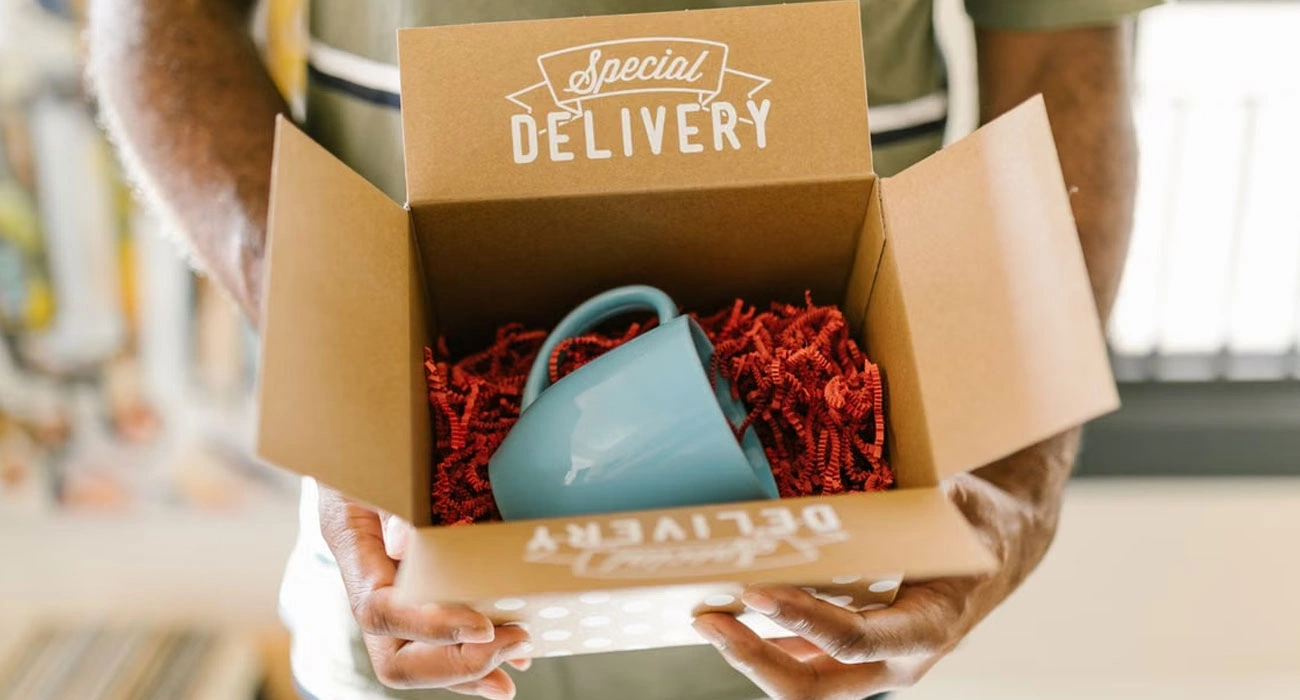
The Subscription Economy's Next Test: Earning Everyday Value
Understanding the evolving landscape of recurring revenue models.
The Changing Landscape of Subscription Commerce
DHL's 2026 E-Commerce Trends Report highlights the growing gap between consumer interest in product subscriptions and the availability of subscription offerings from businesses. The research surveyed 29,000 online shoppers and 5,800 e-commerce businesses across 29 countries. Currently, 36% of surveyed shoppers utilize product subscriptions, while only 24% of businesses offer them. This discrepancy underscores an opportunity for retailers to explore recurring relationships in categories where customer demand is evident, but offerings remain limited.
The expansion of subscription commerce also reflects a broader change in consumer expectations. Customers increasingly value purchasing experiences that fit their routines, reduce repetitive decisions and offer greater convenience. For businesses, this creates opportunities to develop more personalised services while maintaining a consistent connection with their customers. However, recurring payments must remain proportionate to the benefits delivered, particularly as consumers become more selective about their spending.
The Importance of Customer Retention
Value transcends mere affordability, encompassing product quality, delivery reliability, customer service, and the overall utility of the subscription. A subscription that is easy to join but difficult to manage can lead to frustration rather than loyalty. Therefore, businesses must focus on creating a complete customer experience that motivates subscribers to stay engaged long term.
Customer retention also requires businesses to recognise when a subscription no longer meets an individual's needs. Providing options to pause, modify or cancel a plan can help establish a more transparent relationship. Rather than treating cancellation as purely a lost sale, businesses can use customer feedback to identify weaknesses in their offerings and improve the overall experience. This approach places long-term trust at the centre of subscription management.
A subscription earns its place in a customer's routine when its value remains clear long after the first payment.— Inspiring Circle Editorial Team
- DHL's 2026 E-Commerce Trends Report surveyed 29,000 online shoppers and 5,800 e-commerce businesses across 29 countries.
- 36% of surveyed shoppers use product subscriptions, compared with 24% of surveyed businesses offering them.
- In Latin America, 39% of shoppers use product subscriptions, while 12% of surveyed businesses offer them.
Creating Lasting Relationships Through Subscriptions
For subscription models to thrive, they must cater to genuine customer needs. Some consumers may seek time-saving solutions through regular deliveries, while others may appreciate exclusive products or personalized recommendations. Businesses can enhance their offerings by ensuring transparent subscription terms, providing flexible delivery schedules, and allowing customers to adjust their plans easily. Clear communication about pricing and benefits is vital to retaining subscribers, as is personalizing the experience based on meaningful preferences rather than overwhelming complexity.
Technology can further support this relationship through better customer insights and service personalisation. Businesses can analyse purchasing patterns, subscription preferences and feedback to understand which benefits customers value most. These insights can help companies refine their offers, improve communication and identify opportunities to make their services more relevant. The goal is not simply to encourage another renewal, but to make every renewal feel worthwhile.
Categories
Tagged in this story
Image sources