
The Water Security Challenge: Why Businesses Must Rethink Resource Resilience
Written by Admin • 2026-11-17 01:29:00
Topics
Water security is becoming a crucial concern for businesses as freshwater availability declines globally. This article explores the implications of water scarcity for business resilience and offers strategies for improving water management in operations and supply chains.
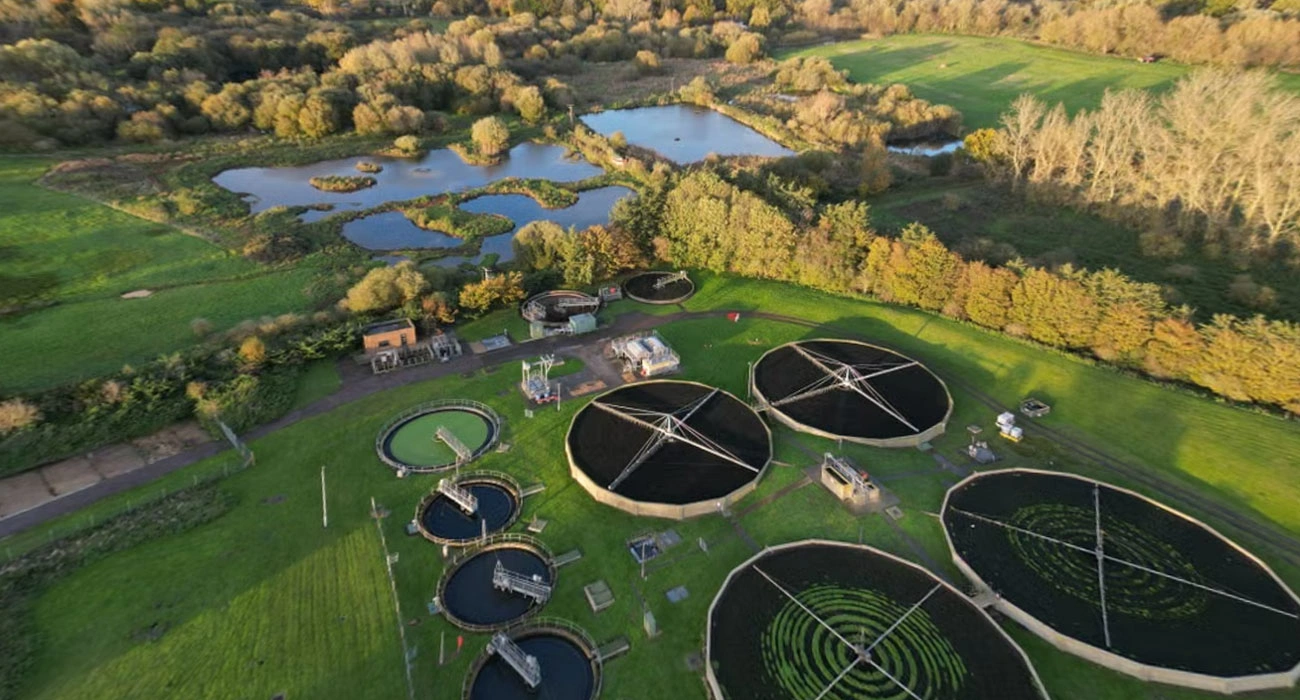
The Water Security Challenge
Why Businesses Must Rethink Resource Resilience
Understanding the Global Freshwater Challenge
Why Water Security Is a Business Issue
The Hidden Cost of Water Dependency
Water scarcity can affect businesses in ways that extend beyond the direct cost of water consumption. When supplies become unreliable, companies may face production interruptions, higher operating expenses, delayed deliveries and increased pressure on existing infrastructure. Industries that depend heavily on water for cooling, cleaning, processing or agricultural production are particularly exposed.
The impact can also extend across supply chains. A manufacturer may have efficient internal water management practices, yet remain vulnerable if its suppliers operate in regions experiencing water stress. This makes water risk an issue that requires visibility beyond individual facilities.
Understanding where water is sourced, how it is used and which operations depend most heavily on reliable supplies can help businesses identify vulnerabilities before they become serious disruptions. Water management is therefore increasingly connected to operational planning, supplier relationships and long-term business continuity.
Water security is not only an environmental responsibility. It is a foundation for resilient businesses, reliable supply chains and sustainable communities.— Inspiring Circle Editorial Team
- Global freshwater reserves declined by an estimated 324 billion cubic metres annually over the past two decades, according to the World Bank.
- The annual freshwater loss is equivalent to the water needs of approximately 280 million people
- . Water consumption worldwide increased by 25% between 2000 and 2019, with approximately one-third of the increase occurring in regions experiencing drying.
Three Priorities for Building Water Resilience
Measuring Progress Through Better Water Management
Effective water management begins with understanding consumption patterns. Businesses can establish water-use assessments to identify high-consumption activities, detect inefficiencies and determine where improvements can deliver the greatest impact. Monitoring systems and regular performance reviews can help organisations track progress and identify unusual changes in consumption.
Companies can also introduce water-efficiency targets across their facilities and supply chains. These may include reducing water used per unit of production, improving wastewater treatment, increasing the reuse of process water and working with suppliers to strengthen resource management practices.
However, efficiency improvements should be considered alongside local conditions. Reducing water consumption in a region with abundant resources may have a different impact from achieving the same reduction in an area experiencing severe water stress. Responsible water management therefore requires businesses to consider not only how much water they use, but also where and how their activities affect local communities and ecosystems.
Water Security as a Long-Term Leadership Priority
The growing pressure on freshwater resources is changing how businesses approach sustainability, investment and operational resilience. Water can no longer be treated simply as an available input. Its reliability increasingly influences where companies operate, how supply chains are structured and how organisations prepare for future uncertainty.
Business leaders have an important role in making water security part of long-term decision-making. By investing in efficient technologies, understanding local water risks and cooperating with suppliers and communities, organisations can help protect the resources on which their operations depend.
Ultimately, building water resilience is not only about preparing for scarcity. It is about creating business practices that recognise the connection between economic activity, environmental stability and the wellbeing of future generations.
Categories
Tagged in this story
Image sources