
Tourism Inequality: Who Really Benefits from Asia’s Travel Industry Growth?
Written by Admin • 2026-04-21 11:20:00
Asia's tourism industry is booming, but the economic benefits are not evenly distributed, leaving smaller communities behind. This article explores the inequalities in tourism growth and calls for a rethinking of distribution models to ensure fair profit-sharing and broader societal impact.
Tourism Inequality: Who Really Benefits from Asia’s Travel Industry Growth?
Exploring the disparities in economic benefits across Asia's tourism landscape.
The Booming Tourism Industry in Asia
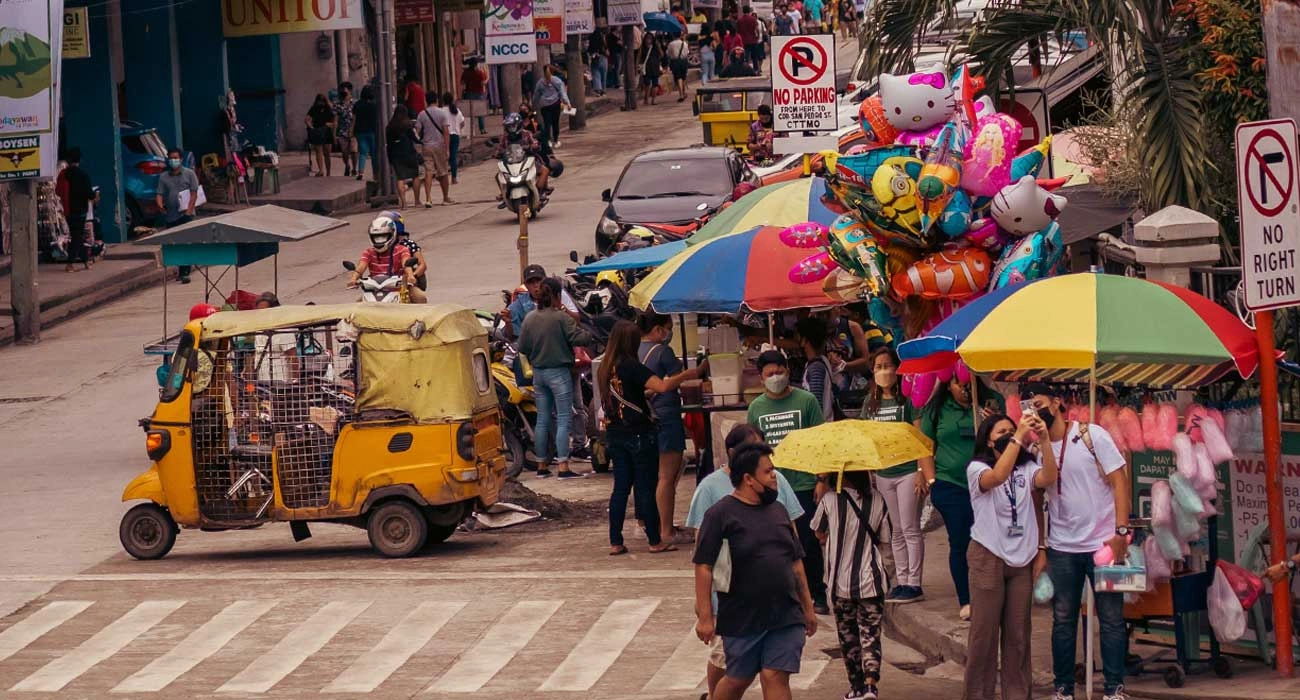
Asia's tourism industry has seen unprecedented growth, becoming a cornerstone of economic development for many nations. Major cities have flourished, with luxury hotels, vibrant nightlife, and an influx of international visitors. However, this growth often paints an incomplete picture. While urban centers reap the rewards, smaller communities, such as those in Vietnam and the Philippines, frequently miss out on the financial windfall generated by tourism. This disparity raises critical questions about the true beneficiaries of the tourism boom and the sustainability of such economic models.
The economic benefits attributed to tourism are often highlighted in success stories, which can overshadow the struggles faced by less-involved regions. Research from the World Bank indicates that while tourism can drive GDP growth, it can also perpetuate inequality. Many local communities remain disconnected from the wealth generated by tourism, as profits tend to concentrate in the hands of a few major players. This scenario emphasizes the importance of reevaluating how tourism profits are distributed, ensuring that all stakeholders benefit from the industry's rise.
Rethinking Economic Models
Addressing the imbalance in tourism's economic impact requires a fundamental shift in how tourism is governed and managed. Economic change leaders need to rethink existing distribution models, prioritizing community involvement and fair profit-sharing practices. By doing so, tourism can contribute to broader societal benefits, rather than merely serving as a source of concentrated wealth. Initiatives that empower local businesses and integrate them into the tourism value chain can help create a more equitable landscape, ensuring that the growth of the industry translates into tangible improvements in the lives of local residents.
Development is about transforming the lives of people, not just transforming economies.— Joseph Stiglitz
Facts & Insights
- Tourism revenue is often concentrated in large corporations.
- Local communities may receive limited economic benefits.
- Inclusive tourism models are gaining attention globally.
50%
Increase in tourist arrivals in Southeast Asia over the last decade
10%
Proportion of global GDP attributed to tourism
20%
Percentage of tourism revenue remaining in local economies
Conclusion: Towards Inclusive Tourism
The growth of Asia's tourism industry presents both opportunities and challenges. While the financial success stories are celebrated, it is crucial to acknowledge the underlying inequalities that persist. The path forward lies in fostering inclusive tourism practices that benefit all stakeholders. By implementing fair distribution models and engaging local communities, the tourism industry can become a powerful tool for economic empowerment, transforming lives and creating a legacy that transcends mere financial metrics.
Categories
Image sources
www.pexels.com