
When Crisis Hits, Leadership Is Tested: Here’s How Indonesia’s Rail Operator Responded Under Pressure
Written by Admin • 2026-04-30 14:32:00
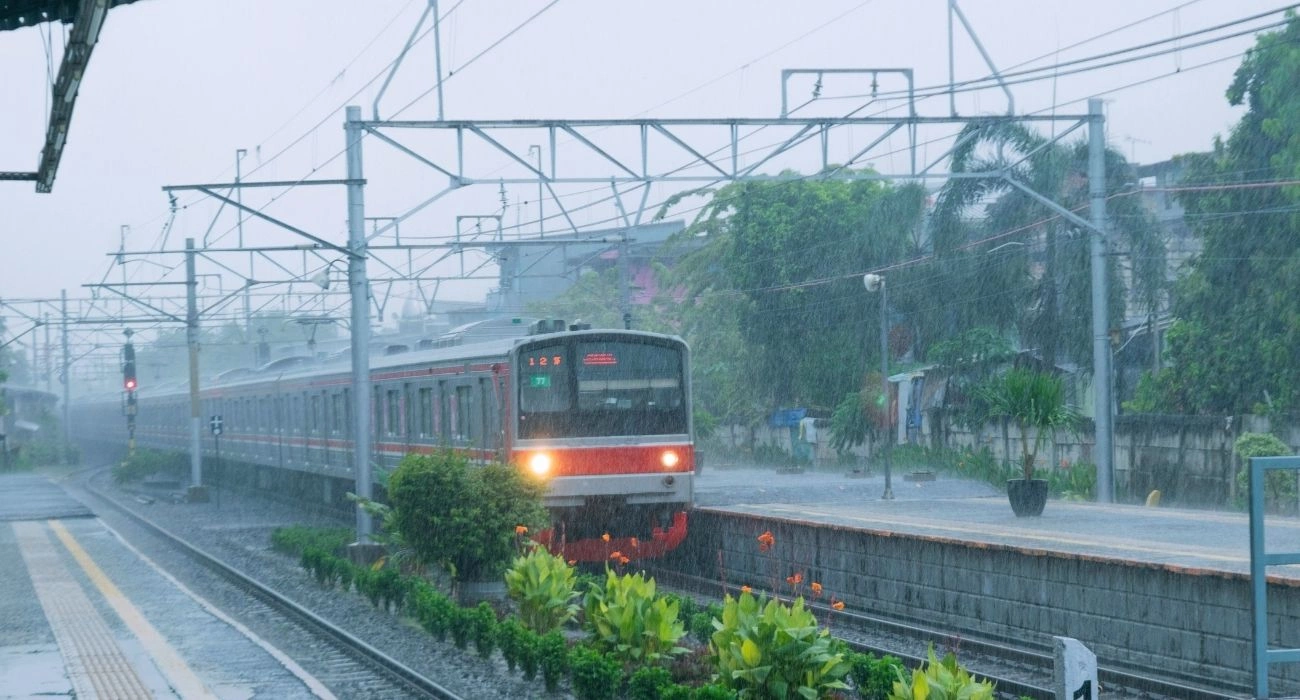
Crisis Leadership in Motion
How PT Kereta Api Indonesia Responded to the Bekasi Timur Incident
The Incident and Immediate Response
In moments of crisis, the true strength of an enterprise is revealed not in its scale, but in its response. The recent train incident near Bekasi Timur Station placed PT Kereta Api Indonesia at the center of national attention. Testing its operational resilience, communication strategy, and commitment to public safety. Such events, while disruptive, often become defining global transformation stories in how organizations evolve under pressure.
Initial reports and updates from Indonesian media and transportation authorities highlighted the company’s rapid response. Prioritizing passenger safety, deploying emergency protocols, and coordinating closely with relevant agencies. Insights aligned with standards from the Ministry of Transportation Indonesia emphasize the importance of real-time communication and incident management systems. These measures reflect an ongoing digital business transformation, where infrastructure and data systems play a critical role in minimizing risk and accelerating response times.

Restoring Public Trust
In this context, PT Kereta Api Indonesia emerges among business innovation leaders. Demonstrating that a crisis, when managed effectively, can strengthen systems, improve accountability, and enhance service excellence. This proactive approach is crucial for maintaining the integrity of public transportation and ensuring that passenger safety remains paramount.
Safety is not a priority, it is a value.— Denis Waitley
- Emergency response protocols are critical in minimizing impact during transportation incidents.
- Real-time communication systems significantly improve crisis management efficiency.
- Public trust in transportation systems is closely tied to transparency and response speed.
Categories
Image sources