
When MMA Enters the Asian Games: Can a Combat Sport Become an Olympic Discipline?
Written by Admin • 2026-09-23 01:20:00
MMA's Asian Games debut is testing whether one of the world's most popular combat sports can adapt its rules, governance and identity for the international sporting system.
MMA at the Asian Games: Can Combat Sport Reach the Olympics?
Exploring the journey of mixed martial arts towards institutional recognition.
MMA Enters the Asian Games
Mixed martial arts (MMA) has made its long-anticipated debut at the 2026 Asian Games held in Nagoya, Japan. This marks a significant milestone not only for the sport but also for its ongoing evolution within the realm of organized athletics. With its intense and combative nature, MMA has attracted a massive global audience, yet its transition into the Asian Games represents a critical step towards mainstream acceptance and institutional legitimacy.
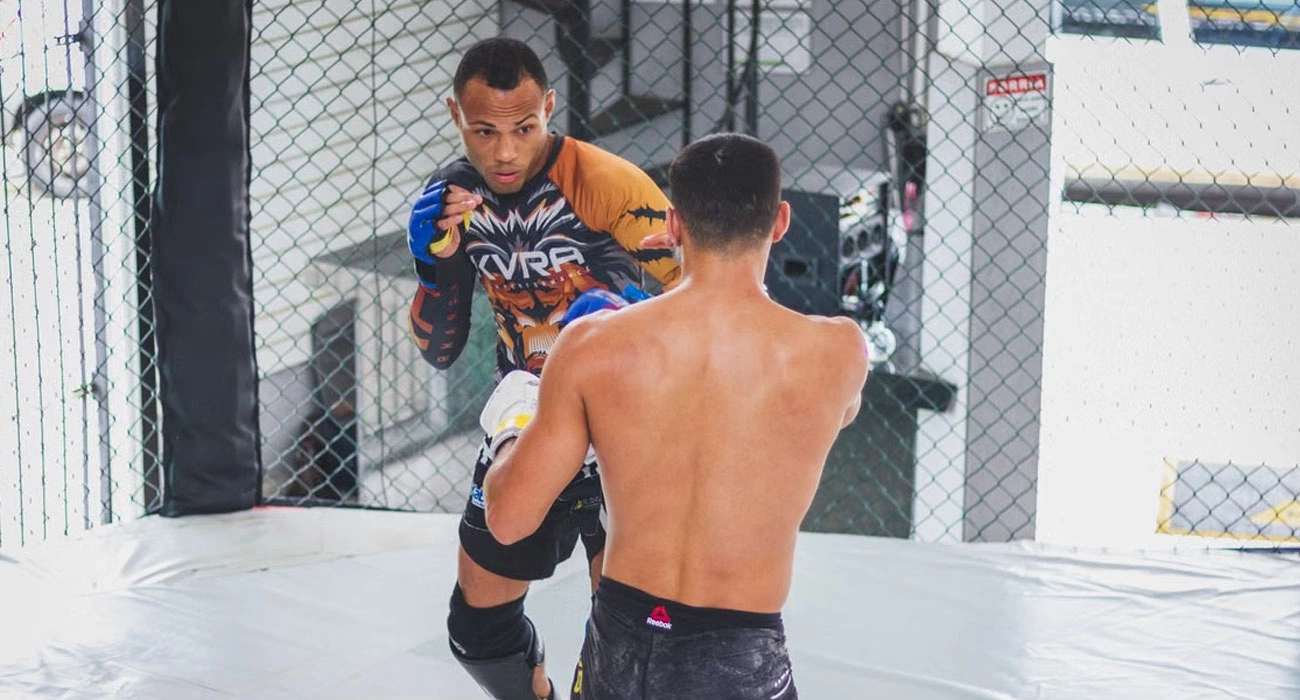
The organizers have introduced a modified rule set that emphasizes athlete safety and inclusivity. This includes restrictions on certain strikes, such as elbows and knees against grounded opponents, and the requirement for fighters to wear shin guards. These adaptations are not merely cosmetic but serve a broader purpose of aligning MMA with the safety standards expected in multi-sport competitions.
Why the Rules Had to Change
The modifications made to MMA's rules for the Asian Games reflect a conscious effort to make the sport more suitable for traditional sports audiences and regulatory bodies. By removing elements that could be deemed excessively violent and implementing protective gear, the aim is to foster an environment where athletes can compete safely. This shift is essential if MMA hopes to gain recognition from the International Olympic Committee (IOC) and other sporting organizations.
Moreover, these rule changes serve to enhance the sport’s image, distancing it from perceptions of brutality often associated with combat sports. The focus on safety and accessibility is crucial as MMA seeks to position itself as a legitimate contender within the Olympic movement, catering to a broader demographic of athletes and fans alike.
Athlete Safety and Sporting Legitimacy
Athlete safety has emerged as a paramount concern in the evolution of MMA as it steps onto the international stage. The implementation of safety measures, such as the prohibition of certain strikes and the use of protective equipment, is necessary to ensure that competitors can perform without undue risk. This commitment to safety not only protects the athletes but also enhances the sport's credibility and appeal to a wider audience.
Furthermore, the legitimacy of MMA as a recognized sport hinges on its ability to demonstrate a structured governance model. The presence of multiple governing bodies, like the Federation of International Mixed Martial Arts (FIMMA) and the Global Association of Mixed Martial Arts (GAMMA), complicates efforts for unified recognition. A coherent and universally accepted rule set is essential for MMA to achieve its Olympic ambitions.
The Governance Problem
Despite the progress made, MMA still grapples with significant governance challenges. The lack of a universally accepted rule set and the existence of competing international organizations pose barriers to its institutional acceptance. These issues must be addressed for MMA to present a united front to the IOC and other governing bodies, paving the way for recognition as an Olympic discipline.
Effective governance will not only shape the future of MMA but also dictate how the sport is perceived globally. The evolution of governance structures within MMA can foster collaboration among organizations, ultimately enhancing the sport's appeal and legitimacy in the eyes of regulators and fans alike.
Could MMA Reach the Olympics?
The question of whether MMA can reach Olympic status remains open. With its recent introduction at the Asian Games, there is a glimmer of hope that MMA can adapt its identity to fit within the international sports framework. If the sport can successfully navigate the challenges of governance and maintain a strong focus on athlete safety, there could be a pathway to inclusion in the Olympic Games.
MMA's journey reflects a broader trend in the evolution of combat sports, demonstrating that even the most commercially successful disciplines can adapt to meet institutional expectations. The changes introduced during the Asian Games are just the beginning of this transformation, aiming to secure a place for MMA within the prestigious Olympic family.
For MMA, the next fight may be about legitimacy rather than spectacle.— Editorial framing.
Facts & Insights
- MMA made its Asian Games debut at Nagoya 2026.
- The Asian Games format bans elbows and knees against prone opponents and uses shin guards for protection.
- MMA currently has competing international governing bodies and no universally accepted global rule set, complicating its path toward IOC recognition.
2026
Asian Games Debut
2
Major Governing Bodies
3+
Key Rule Modifications
1
Olympic Ambition
MMA's Asian Games debut represents an important experiment in how a commercially successful sport can adapt to institutional expectations. The changes introduced in Nagoya show that sporting legitimacy can require more than popularity; it can depend on governance, safety standards, consistent rules and an organisational structure capable of working across countries. Whether MMA eventually reaches the Olympic programme remains an open institutional question, but its Asian Games presence demonstrates that the sport is already exploring a different identity.
Categories
Tagged in this story
Image sources
Pexels - Photo by Bruno Bueno