
Why CEOs, Governments, and Energy Giants Are Watching Hormuz Right Now
Written by Admin • 2026-05-21 07:32:00
The Strait of Hormuz is a critical waterway for global oil supply, and rising geopolitical tensions are causing businesses and governments to rethink their strategies. With significant investments in supply chain resilience and innovation, the implications of disruptions in this corridor extend beyond economics to societal well-being.
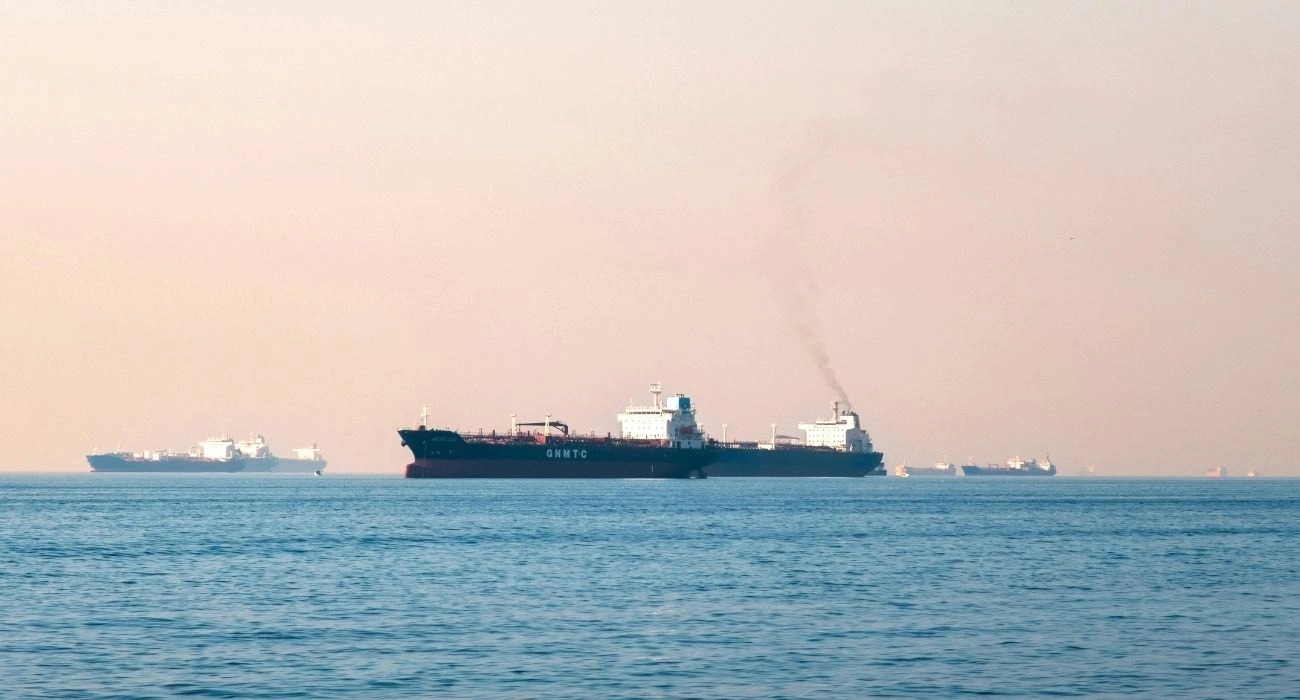
Why CEOs, Governments, and Energy Giants Are Watching Hormuz Right Now
The Strait of Hormuz as a critical geopolitical and economic nexus
The Importance of the Strait of Hormuz
In today’s interconnected economy, global business relies not only on technology and finance but also on fragile geopolitical routes that often go unnoticed. Among these, the Strait of Hormuz stands out as a crucial waterway, facilitating the passage of a significant portion of the world’s oil and energy supply daily. With rising geopolitical tensions in the Middle East, the focus on Hormuz has intensified, driving businesses, governments, and logistics networks to reconsider their strategies to mitigate potential disruptions.
As concerns about instability grow, the Strait of Hormuz has emerged as a pivotal factor for enterprise resilience. By 2026, it is expected that the narrative surrounding Hormuz will dominate discussions in boardrooms and government chambers alike. The implications of any disruption in this crucial corridor go beyond immediate economic impacts, influencing global oil prices and inflation rates that affect consumers worldwide.
Corporate Strategies in Response to Tensions
In light of these challenges, major shipping firms and energy companies are investing significantly in supply chain diversification and AI-driven logistics monitoring. The aim is to reduce dependency on vulnerable maritime routes that could be threatened by geopolitical instability. Recent analyses from credible sources, such as Reuters and Bloomberg, underscore the urgency of these strategies, as they highlight the potential impacts on transportation costs and global supply chains.
Moreover, businesses are employing predictive analytics and risk intelligence to enhance operational flexibility. This shift towards a more resilient approach reflects a broader digital business transformation, where adaptability becomes essential for survival. Organizations that can pivot quickly in response to emerging threats are positioning themselves as leaders in innovation and resilience, which are increasingly becoming the defining competitive advantages in the market.
In the middle of difficulty lies opportunity.— Albert Einstein
Broader Societal Implications
The global response to the tensions surrounding Hormuz extends beyond corporate strategies; it has significant societal implications. Resilient supply chains play a vital role in stabilizing food distribution, energy access, and public transportation. This stability is critical for maintaining economic security for millions of people globally. Companies that invest in crisis preparedness and adaptability are not only enhancing their own resilience but also contributing to broader societal well-being.
As businesses navigate these complex challenges, the commitment to strengthening supply chain resilience becomes paramount. The ability to withstand disruptions can lead to improved socio-economic conditions, showcasing how corporate strategies can align with societal needs. This convergence of business innovation and social responsibility marks a significant evolution in how companies view their roles in an interconnected world.
Facts & Insights
- Roughly one-fifth of the world’s oil supply passes through the Strait of Hormuz.
- Shipping disruptions in the region can immediately affect global fuel prices and supply chains.
- Businesses worldwide are increasing investment in supply chain resilience and diversification.
20%
Percentage of global oil trade through Hormuz
5-10%
Estimated price increase in global oil during crises
Categories
Image sources
www.pexels.com